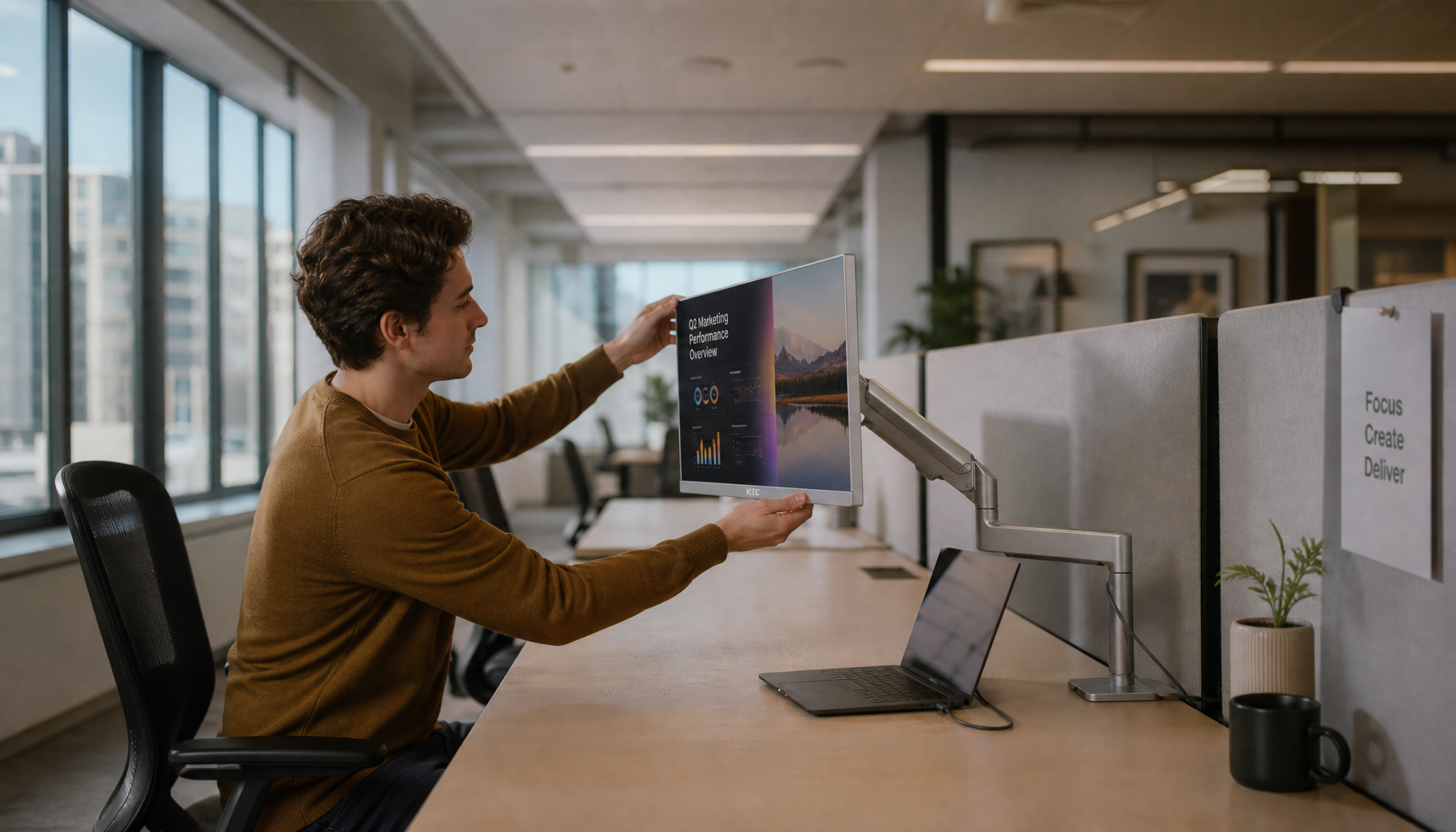
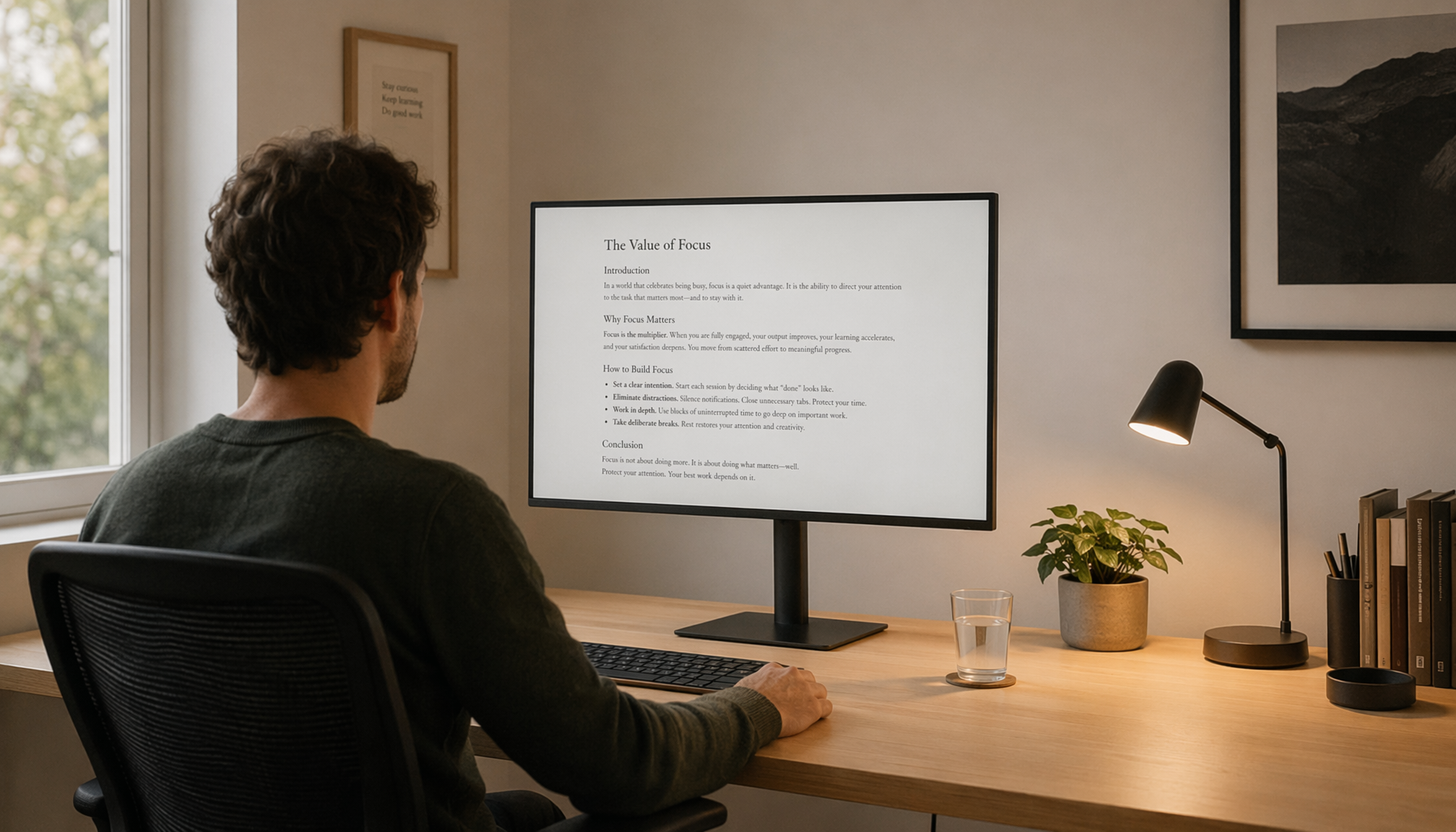
Fast monitor wake time protects the first minutes of your day and makes it easier to start meaningful work without drifting into distractions.
Why Those First Minutes Matter
Your morning is usually your clearest focus window. Productivity research consistently points to protecting early priority work, whether that means defending your most productive morning hours from distraction or aligning hard tasks with your natural peak-energy hours.
That is where monitor wake time matters. If you sit down ready to start, but your display takes too long to reconnect, refresh, or recognize your laptop, you create a small gap between intention and action.

Small gaps are risky in the morning because they invite substitution. Instead of opening the report, presentation, or spreadsheet you planned to tackle, you check messages, skim headlines, or grab your cell phone. The delay may be brief, but the detour often is not.
The Hidden Cost of a Slow Wake
Wake time is not just about seconds. It is about momentum.
If your monitor setup adds 20 seconds each time you start work, wake from sleep, or reconnect after a coffee break, and that happens six times before lunch, you lose 2 minutes. Over a five-day workweek, that becomes 10 minutes of prime working time lost to friction, and that estimate still misses the larger cost of broken concentration.
This matters because productive schedules work best when attention stays intact. A focused-interval schedule works only if you can begin quickly, and the top-three priority method works better when your first task starts before reactive habits take over.

A fast-waking monitor does not create discipline on its own. It simply removes one more excuse to drift.
Most monitor roundups focus far more on image quality and features than on wake latency, so the real productivity benefit here is lower friction rather than benchmark bragging rights.
What to Look For in a Morning-Friendly Monitor
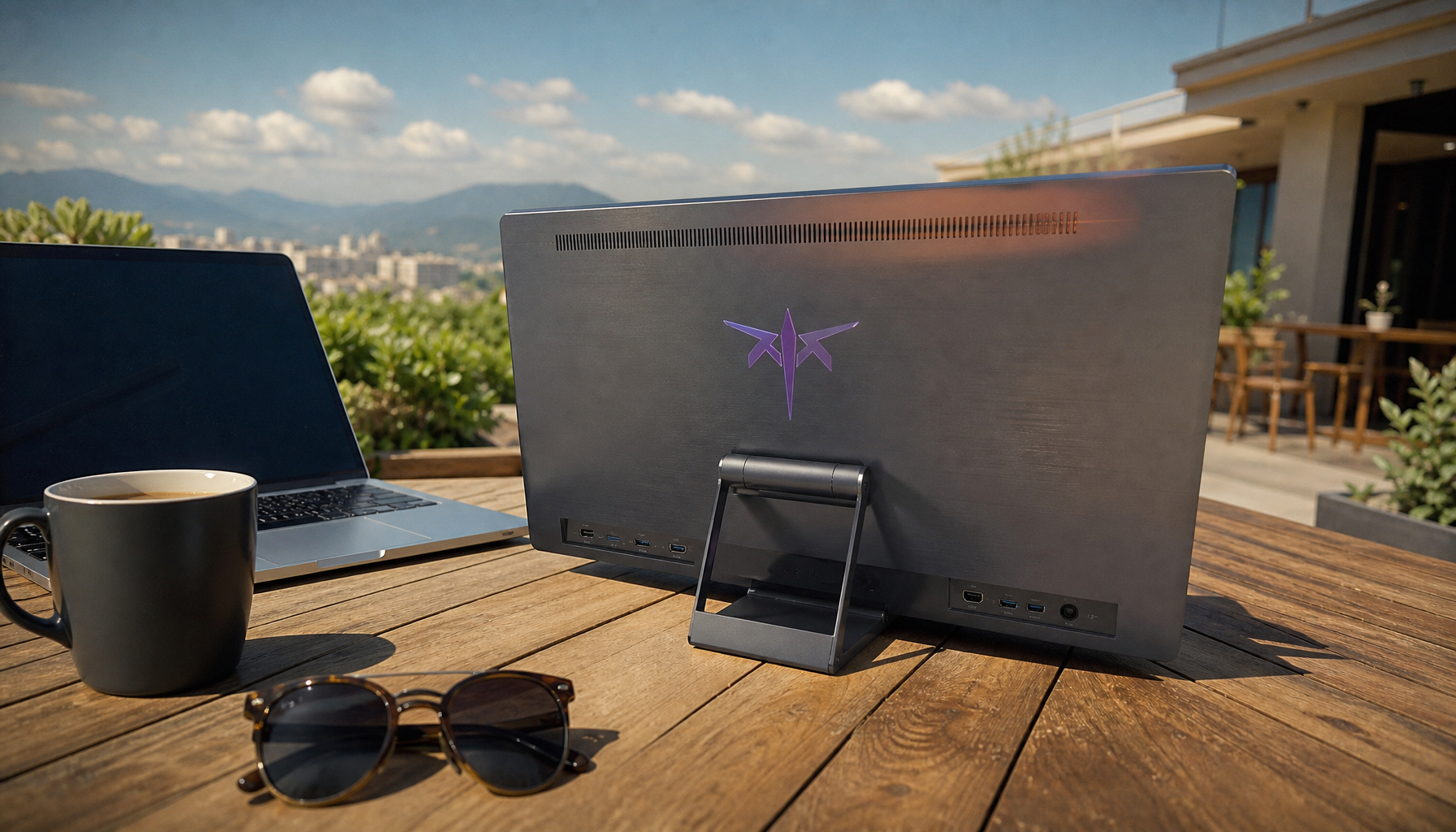
If you want a display that supports a sharper start, prioritize the setup experience as much as the panel itself. USB-C with power delivery reduces cable swapping and simplifies laptop docking, which is a major advantage in many business monitor recommendations. Strong standby behavior also helps the screen reconnect cleanly instead of forcing repeated input switching.

Screen size and ergonomics matter as well. A 27-inch display is often a practical balance for multitasking, especially if your goal is faster morning scanning without overwhelming your desk, a pattern that appears often in professional monitor picks. Adjustable height and tilt help you get comfortable quickly, which reduces unnecessary fiddling before your first work block.
If you split time between gaming and work, do not assume an office monitor is automatically better. Many gaming monitors feel excellent in daily use, and some mixed-use setups perform better simply because they handle waking, motion, and input changes more smoothly.
Build a Lower-Friction Morning Routine
The best upgrade is not just a better panel. It is a cleaner launch sequence.
Leave only the apps for your first task ready to go the night before. Use one primary input and one primary cable path so your setup behaves predictably. If your current system wakes unreliably, reduce unnecessary sleep-related complications. Most importantly, put your highest-value task on screen first instead of your inbox, and test your full wake-to-work flow rather than judging your setup by picture quality alone.

A monitor that wakes quickly will not write the proposal or finish the budget review for you. What it can do is preserve the moment when your attention is fresh, your priorities are clear, and your day still belongs to you.