Mismatched monitor brightness forces your eyes to re-adapt as you move between screens, which can lead to headaches, dry eyes, and focus fatigue.
Why Brightness Mismatch Feels So Draining
Your eyes adapt to light constantly, but rapid shifts between screens can be tiring. When one monitor is bright and punchy while the other is dim, gray, or washed out, your pupils and focusing system keep adjusting as your gaze moves.
That matters because digital eye strain commonly shows up as dry eyes and headaches, especially during long screen sessions. A dual-monitor mismatch adds another layer: the strain comes not just from screen time, but from uneven screen time.
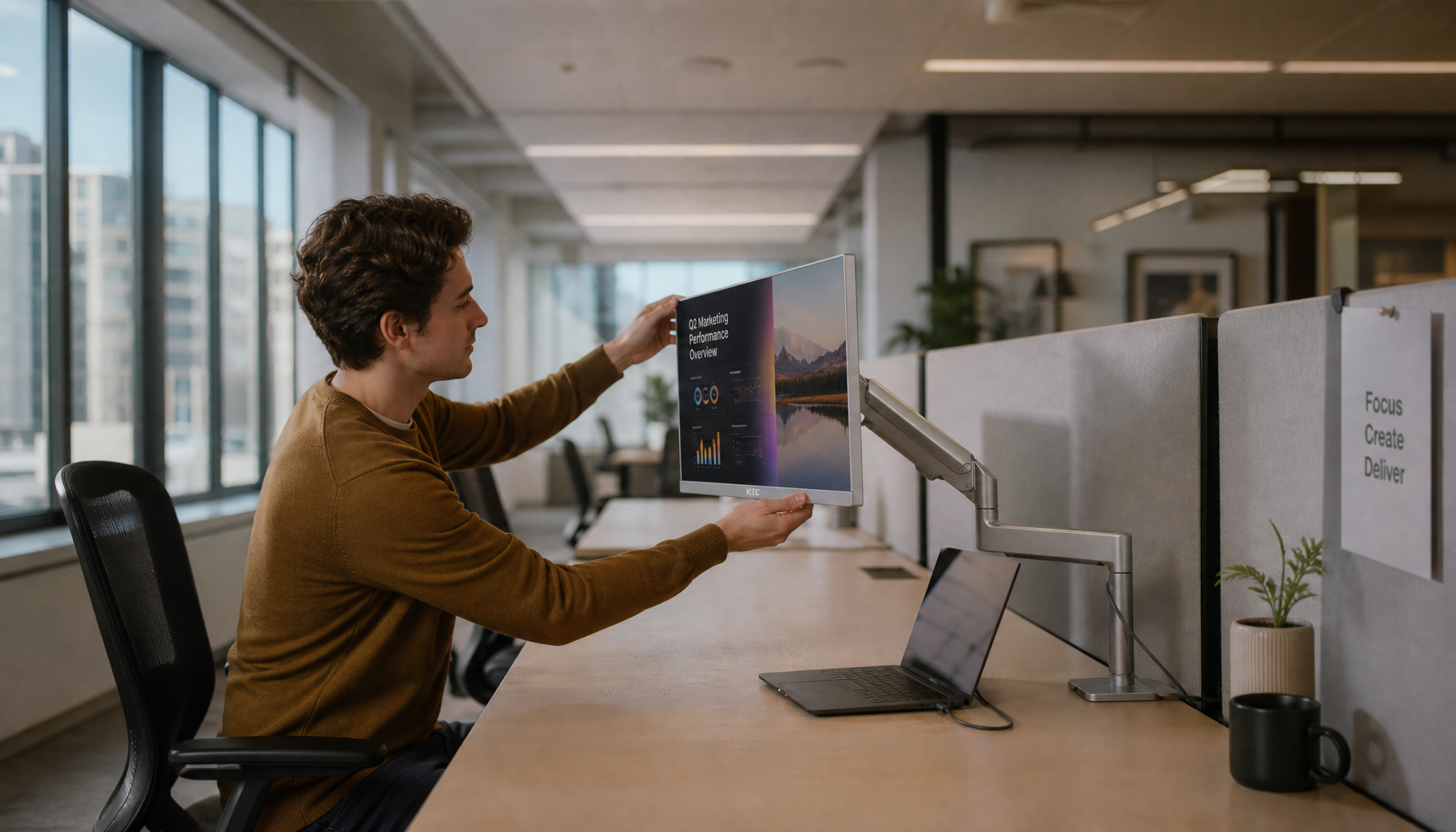
For office work, the issue often appears when a document sits on a dim laptop panel while email or dashboards sit on a brighter external display. For gaming and streaming, it can happen when the main monitor is tuned for high contrast while the secondary screen shows chat, maps, or controls at a much different brightness.

The Real Problem Is Contrast Switching
Brightness mismatch is not only about a screen being too bright. It is about contrast switching.
If your left display has bright whites and deep blacks while your right display looks dull, your eyes have to reinterpret text, icons, and interface edges every time you move across the desktop. That makes reading feel slower and less stable, even if both screens are technically usable.
A practical rule is that your monitors should feel like one continuous workspace. If a blank white page on one display looks like a desk lamp and the same page on the other looks like printer paper in shade, the gap is too large.
Viewing angle can also imitate a brightness problem. Some panels lose contrast when viewed off-center, so a second screen angled poorly may look washed out before you change any settings.
How to Match Dual-Monitor Brightness Fast
You do not need a calibration lab for a comfort-first setup. You need a repeatable visual target.
Use this quick process:
- Set both monitors to the same picture mode, such as Standard or sRGB.
- Open a white document on both screens and compare them in normal room light.
- Lower the brighter display until both white areas feel similar.
- Adjust contrast only after brightness feels balanced.
- Recheck with dark text, a web page, and your main app.
Room lighting matters. Display comfort depends on matching the screen to the environment, and brightness should generally rise in brighter rooms and drop in dim rooms; many practical setup notes recommend adjusting screen brightness to the room.
If your operating system only changes your laptop screen, use each external monitor’s on-screen display controls. Many standalone displays still expect brightness changes through their hardware menu, not the operating system.

Best Settings for Comfort, Performance, and Reliability
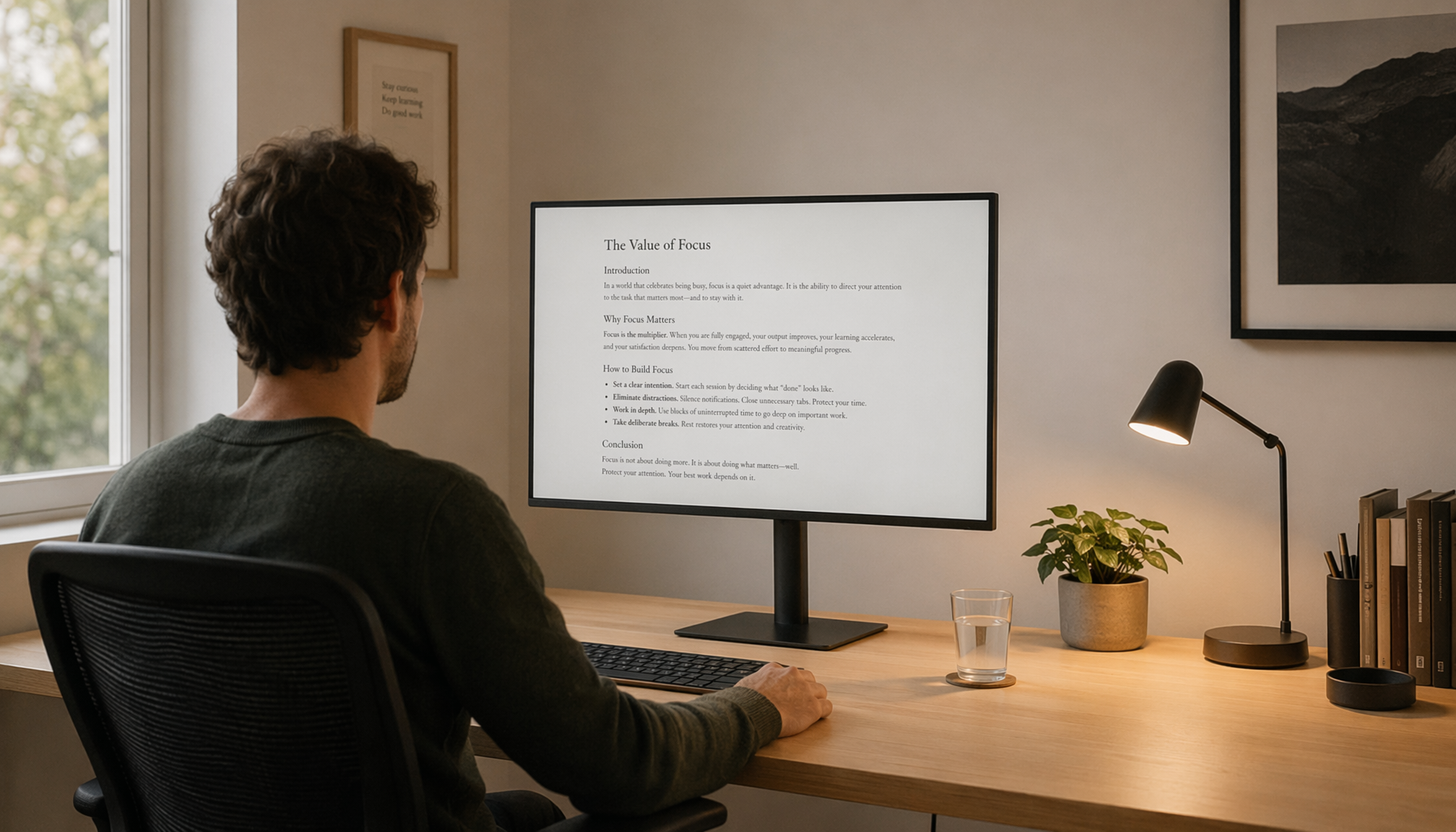
For productivity, prioritize readable text over dramatic contrast. A monitor that looks exciting in a store can feel harsh after six hours of spreadsheets, code, design tools, or browser tabs.
For gaming, keep the main display performance-tuned, but do not let the second screen overpower your peripheral vision. A bright side monitor can pull attention away from the game and make darker scenes feel harder to read.
For portable smart screens, match the portable panel to your laptop first. These smaller displays often sit closer, so even a modest brightness difference can feel more intense.
The reliable setup is simple: balanced brightness, similar color temperature, aligned screen height, and regular breaks. The 20-20-20 rule remains a strong baseline: every 20 minutes, look 20 ft away for 20 seconds.

Lowering brightness is not always the fix. If a screen becomes too dim for the room, your eyes may work harder to resolve text.