A Matter smart display works best when you treat compatibility as a setup check, not a blanket promise. Before you buy, confirm the device's platform path, Wi-Fi stability, power plan, and whether you want a rolling, wall-mounted, or desk setup that fits the room you'll actually use.

What Matters Before You Buy
Matter Support and Ecosystem Checks
Matter is an open, IP-based smart home standard designed to work across ecosystems when both the device and platform support it. The Matter FAQ from the CSA makes it clear that category membership alone does not guarantee compatibility.
For most buyers, that means one simple rule: if the display does not clearly state how it joins Home Assistant, Google Home, or Alexa, assume you still need to verify the path before you rely on it. That is especially true for a matter smart display that also runs Android or EDLA, because app access and Matter support are not the same thing.
Wi-Fi and Power Requirements
Wi-Fi matters more than the marketing label once the screen starts moving between rooms. Google's Matter setup guidance expects a compatible hub on the same Wi-Fi network, while Home Assistant's Matter integration supports local control through its official integration path.
A practical buyer check is simple: if the display will move often, it should have a stable network connection in every room you plan to use. If the unit depends on a wall outlet, battery handoff or easy charging matters more than a spec sheet that looks good on paper.
Screen Mobility and Mounting Fit
Choose rolling, wall-mounted, or desk placement based on where the display will live most days, not where it looks best in a photo. A rolling unit makes sense when the whole household will use it in different rooms. A wall-mounted unit makes more sense when you want one fixed command center.
If you move the screen several times a week, mobility is not a bonus feature. It is part of the setup requirement. If you do not need movement, the extra wheels, stand weight, or cable management effort may be unnecessary.
Ports, Battery, and Everyday Use
Ports and battery continuity decide how annoying the display will be after the first week. If you want to use HDMI sources, a keyboard, or a separate controller path, confirm those inputs before comparing assistant features. If you want the screen to stay active away from an outlet, treat battery life as a working constraint, not a promise of all-day use.
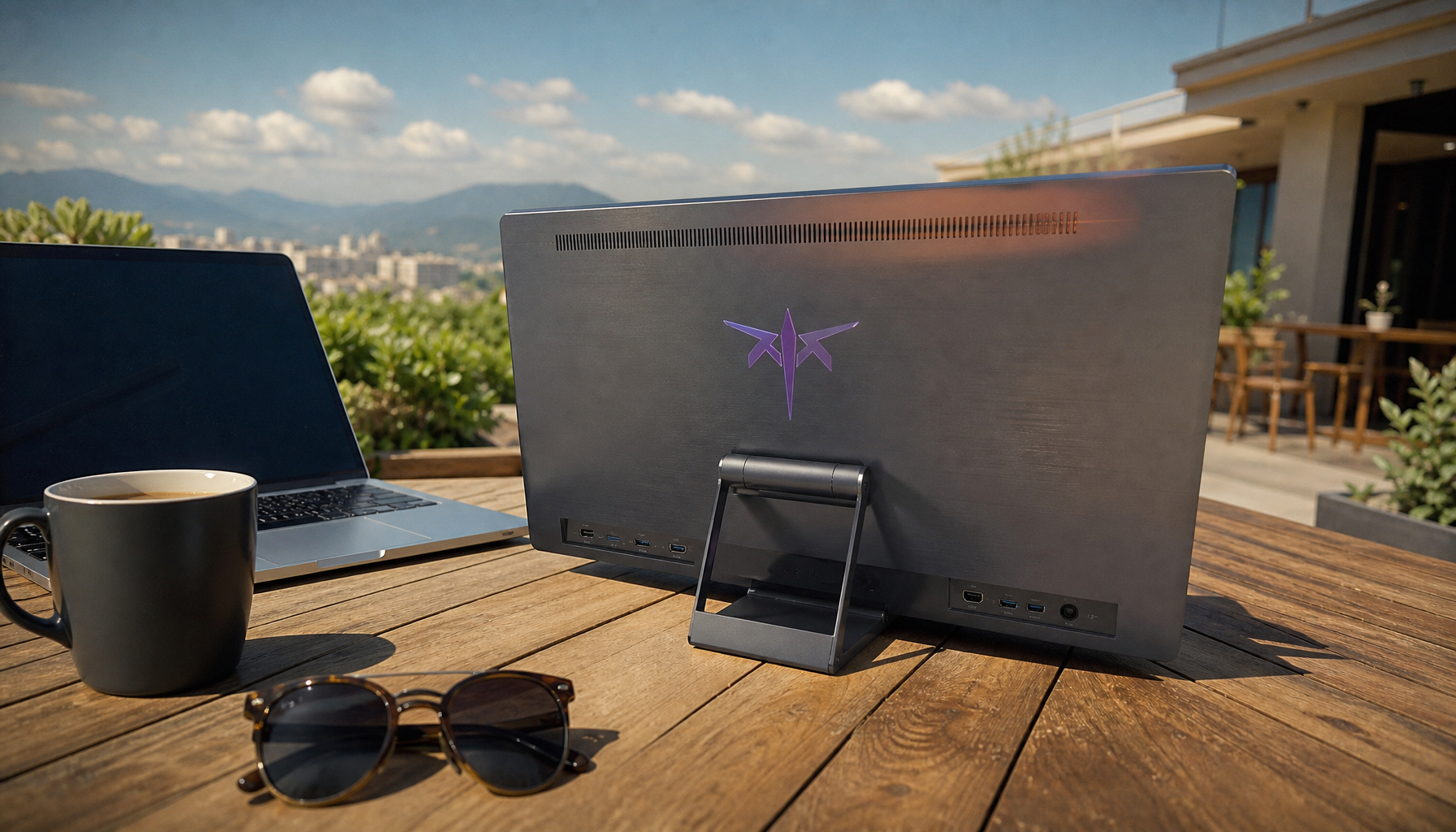
For readers who want a concrete example after those checks, the KTC MEGAPAD 32" 4K Android 14 Google EDLA Smart Touch Monitor with 8550mAh Battery is a rolling-style option to review once you know you want a large mobile screen with Android-based app access. It is not the only possible fit, but it shows the kind of device to verify against your ecosystem path before buying.
Set Up Home Assistant, Google Home, and Alexa
Home Assistant First-Pass Setup
Start with one primary ecosystem and make sure the display joins cleanly there before you add anything secondary. Home Assistant's official Matter integration is the cleanest reference point for local control, but the device still has to be added correctly and placed on the network you actually use.
For a matter smart display setup guide for home assistant, the safest sequence is: connect Wi-Fi, add the device, confirm one control action, then expand to other automations. That order reduces the chance that you misread a network problem as a platform problem.
Google Home Account and Network Linking
Google Home can manage Matter-enabled devices through the Google Home app, but the setup flow still depends on the device being on the right network and the account being correct. Google's setup instructions for Matter devices are useful here because they emphasize the hub-and-network requirement, not just the app.
Use the same room names and device names you plan to keep long term. That way, if you later add Alexa or Home Assistant, the commands stay predictable instead of turning into a naming cleanup project.
Alexa Routine and Device Discovery
Alexa is usually easiest when discovery is done after the display is already stable in one ecosystem. If you start with Alexa first and then rework the device in another platform, you can end up retraining rooms, routines, or voice phrases later.
Keep the command surface simple at first. Confirm basic power, navigation, and room placement, then add routines after the display is already behaving the way you want.
Cross-Ecosystem Naming and Room Assignment
Cross-ecosystem use works better when the naming is boring and consistent. Use one device name, one room name, and one primary control path. If you want the display to behave like a shared household hub, avoid clever aliases that sound fun but make voice control harder.
A useful rule is this: if a label would confuse a guest, it will probably confuse automation too. Clean names save time every time you re-link a device or rebuild a routine.
The 2026 Smart Home Hub Blueprint: Mastering the Rolling Display Ecosystem is a useful follow-up if you want a broader view of rolling display behavior in a smart home. It is best read after you have already decided whether your setup should stay fixed or move room to room.
Place the Display for Reliable Daily Use
Mount Height and Viewing Angle
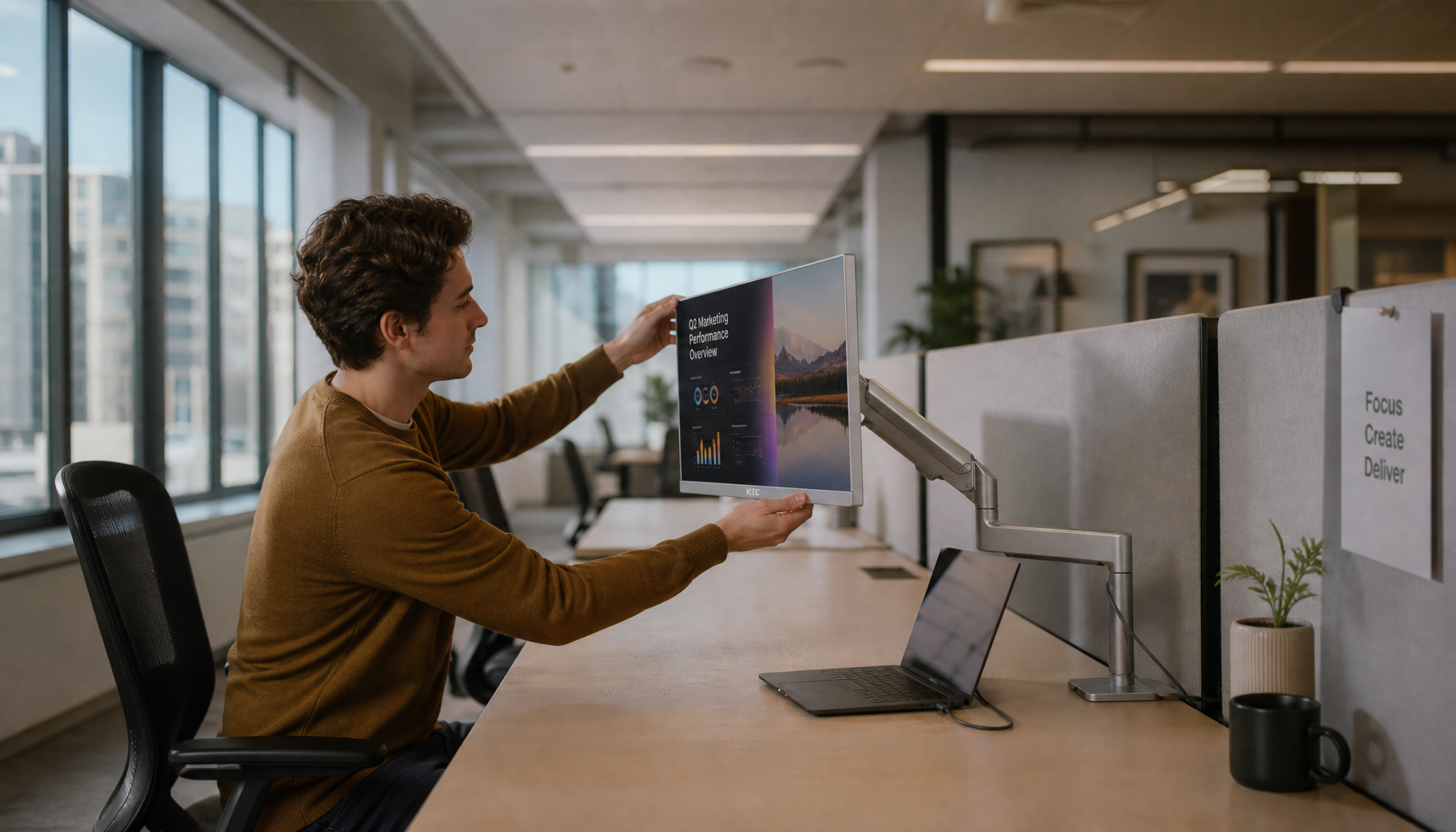
The best placement is the one that makes the display easy to see and easy to reach. If it is wall-mounted, keep the height comfortable for the primary user. If it is on a rolling stand, test whether the screen still feels natural from a seated position and from the room where you actually issue commands.
This is where many buyers regret a stylish choice. A display that looks great in one room may become annoying if it sits too high, too low, or too far from the path you use every day.
Cable Routing and Power Access
Cable routing should support movement, not fight it. If the screen rolls between rooms, leave enough slack for safe movement and keep the power path simple. If it is fixed to a wall, keep cords tidy but still easy to reach for resets or reconfiguration.
When a setup seems unreliable, tangled cables and awkward outlet placement are common hidden causes. They do not always break Matter itself, but they can make the whole system feel unstable.
Rolling Versus Fixed Placement
Rolling units are the better fit if multiple people will use the display in different rooms. Wall-mounted units are better when you want a fixed home control center with less visual clutter. Desk or counter setups work when the display stays close to the user and you want the shortest cable run.

Compare Rolling, Wall, and Desk Setups
| Setup Style | Best Fit | Main Friction | When Not To Choose It |
|---|---|---|---|
| Rolling | Shared household control and room-to-room movement | More cable and power planning | If the display never leaves one room |
| Wall-mounted | Fixed command center and cleaner cable management | Less flexible once installed | If you expect frequent repositioning |
| Desk/Counter | Close interaction and quick access to ports | Takes up surface space | If the room needs a movable hub |
Use this visual to decide which setup is easiest to live with after the first week. Rolling usually fits households that want flexibility, wall-mounted fits fixed placement and space-saving, and desk or counter placement fits simple installation with the least movement.
Fix the Problems That Break Setup
Check Wi-Fi Before You Reset Anything
When pairing fails, start with Wi-Fi and account login before you factory reset the display. Google's support guidance on Matter setup in Google Home and the CSA's Matter FAQ both support the idea that the device path matters, not just the app you open.
For a matter smart display, weak Wi-Fi is often the first thing to rule out. If the device moved rooms recently, test the new room first, because network dropouts can look like platform failure.
Confirm the Right Discovery Flow
Use the correct ecosystem discovery process before you start over. Home Assistant, Google Home, and Alexa do not always present the same prompts in the same order, so a device that looks invisible in one app may still be reachable through another path.
This is why it helps to keep a short setup note. If you know which platform you used first, what room name you assigned, and where the device joined, troubleshooting gets much faster.
Restart in the Right Order
If discovery stalls, restart the display, then the router, then the controlling app. That order tends to solve the basic handoff problem without adding extra confusion. If the display is rolling and the problem only happens after room changes, check power first, then room assignment, then Wi-Fi.
That sequence is not dramatic, but it is usually the fastest path back to a stable setup.
Recheck Power, Room, and Network After Movement
Movement changes everything that makes a setup feel dependable. A rolling display can lose a reliable outlet, a fixed Wi-Fi handoff, or a room assignment that no longer matches where the device sits. If that happens, correct the basics before you redo the entire ecosystem connection.
In other words, do not assume the display "forgot" the home just because it moved. More often, it simply lost one of the conditions that made the first setup succeed.
Beyond the Spec Sheet: Evaluating Software UX and Firmware Support in OEM Monitors is a useful companion if you want to judge whether the device's software and update support are likely to stay sane after setup. That matters because smart displays are easiest to live with when the software stays predictable.
Keep It Working After Setup
Update Firmware, Apps, and Integrations
A stable matter smart display is usually the result of boring maintenance. Keep firmware, Android apps, and ecosystem integrations updated so the device does not drift away from the rest of your home setup. Matter is built to support reliable cross-platform behavior, but the exact experience still depends on the device and platform path you chose.
Recheck Names and Rooms After Changes
If you add new devices, change routers, or reorganize rooms, review naming and room assignments right away. That keeps voice commands aligned with the new layout instead of leaving stale labels in place.
It is a small task that prevents a lot of later frustration, especially in homes where multiple assistants are active.
Watch Battery, Charging, and Cable Wear
Mobile units need a little more attention than fixed screens. Battery health, charging habits, and cable wear matter more when the display moves often. If the screen starts behaving inconsistently, the charge path and connectors are worth checking before you blame the platform.
Use a Monthly Routine
A short monthly routine is enough for most homes: confirm the device is online, test one voice command, check the room name, and make sure charging or cable routing still looks normal. That is usually enough to keep the setup from turning into a surprise project later.
Which Matter Smart Display Fits You Best?
Match the physical style to how you will actually use the screen. Rolling works for households that move the display between rooms several times a week. Wall-mounted suits a single fixed command center. Desk or counter placement fits quick daily checks with minimal cable runs. After confirming your primary ecosystem, compare battery life, port access, and firmware support for the models that match that placement.
Related Resources
- mobile touch screen collection
- smart monitor collection
- Android Smart Display for Study, Streaming, and Cloud Gaming
FAQs
Q1. Can a Matter Smart Display Work With Home Assistant and Google Home at the Same Time?
Yes, but only if the specific device and each platform support the path you want to use. The safest approach is to verify the official compatibility flow first, then add the second ecosystem only after the first one is stable.
Q2. What Should I Check First If My Smart Display Will Not Pair?
Check Wi-Fi, account login, and the correct discovery flow before you reset anything. Those are the most common reasons a setup fails even when the device itself is fine.
Q3. Why Does a Rolling Smart Display Need Different Setup Planning?
Because movement changes power access, cable routing, room naming, and Wi-Fi reliability. A rolling setup is only worth it if you will actually move the display often enough to benefit from that flexibility.
Q4. Can I Use Matter Without Getting Locked Into One Brand?
Matter can reduce lock-in, but only when the device and platform support are verified in advance. You still need to check how the display joins Home Assistant, Google Home, or Alexa so you know what features you can actually keep if you change ecosystems later.
Q5. What Is the Safest Next Step After Setup Works?
Save your setup order, keep device names consistent, and do a quick check after the first week of use. That gives you a simple recovery path if you later add accessories, move rooms, or change routers.
| Scenario | Rolling | Wall-mounted | Desk/Counter |
|---|---|---|---|
| After-setup convenience | High | Medium | Medium |
| Mobility | High | Low | High |
| Space efficiency | Medium | High | Medium |
| Setup friction | Medium | Low | Low |