Portable monitors collect dust faster because they are handled, packed, angled, and exposed more often than fixed desk displays. The best approach is to reduce static, protect the panel during transit, and clean with gentle microfiber habits before dust turns into scratches or haze.
Control Dust Before It Reaches the Screen
A portable screen is not just a smaller monitor. It is a travel surface, a second-screen productivity tool, and sometimes a touch interface, so every bag, sleeve, cable, and shared desk becomes part of the display environment.
Start with a dedicated sleeve or folio that does not also carry pens, adapters, snacks, or loose paper. Dust often rides in from accessories, then gets pressed into the panel when the cover closes.

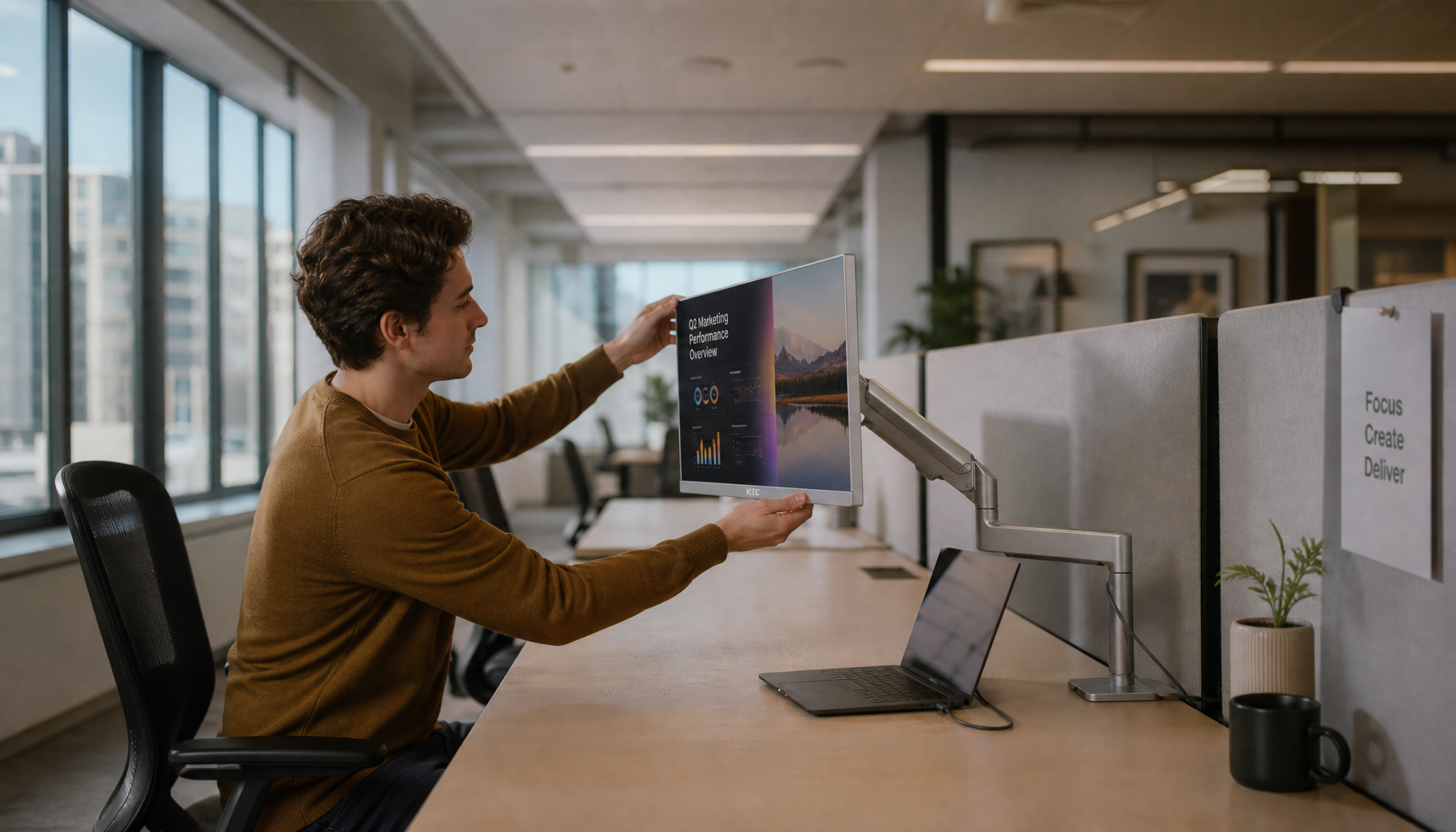
For mobile workstations, choose a setup with fewer exposed parts. A USB-C portable monitor can simplify setup because one cable may carry power and video, reducing cable drag and desk contact in a travel bag.
Keep the screen away from direct airflow from vents, fans, or open windows. Moving air feels clean, but it keeps particles circulating and increases how often they land on glossy or matte surfaces.
Build a Pack-and-Place Routine
Dust prevention is mostly consistency. Before you move, close or cover the monitor only after the screen is visibly clean; otherwise, the cover becomes a dust press.
Use this quick routine:
- Dry-wipe with a clean microfiber cloth before packing.
- Store the cloth in a small resealable pouch, not loose in the bag.
- Keep cables in a separate pocket or organizer.
- Place the monitor screen-side inward when the case allows.
- Wipe the desk area before setting the display down.

This takes less than a minute, which is the point. In high-mobility workflows, small repeatable habits beat occasional deep cleaning.
If your portable monitor has a magnetic cover stand, wipe the inside of that cover too. It touches the panel repeatedly, so a dusty cover can undo a freshly cleaned screen in one commute.
Clean Without Damaging Coatings
Use microfiber first, pressure second, and liquid last. Paper towels, napkins, and tissues can be abrasive over time, while microfiber is preferred for delicate screens because it removes debris with less scratching risk during screen cleaning.
Power the monitor off and unplug it before cleaning. This makes dust and fingerprints easier to see, and it reduces risk around ports and bezels.
For routine dust, use a dry microfiber cloth with light, straight passes. For fingerprints, lightly dampen the cloth with distilled water and wipe gently; do not spray the screen directly.

For touch displays or shared setups, follow the monitor maker’s cleaning limits. Some portable touch-screen care guidance warns that liquid should go on the cloth, not the panel, because moisture can enter edges, ports, or seams on a portable touch screen.
Alcohol mixes may be acceptable for some touchscreens, but anti-glare and oleophobic coatings vary, so distilled water is the safer default unless the manufacturer allows something stronger.
Choose Gear That Stays Cleaner Longer
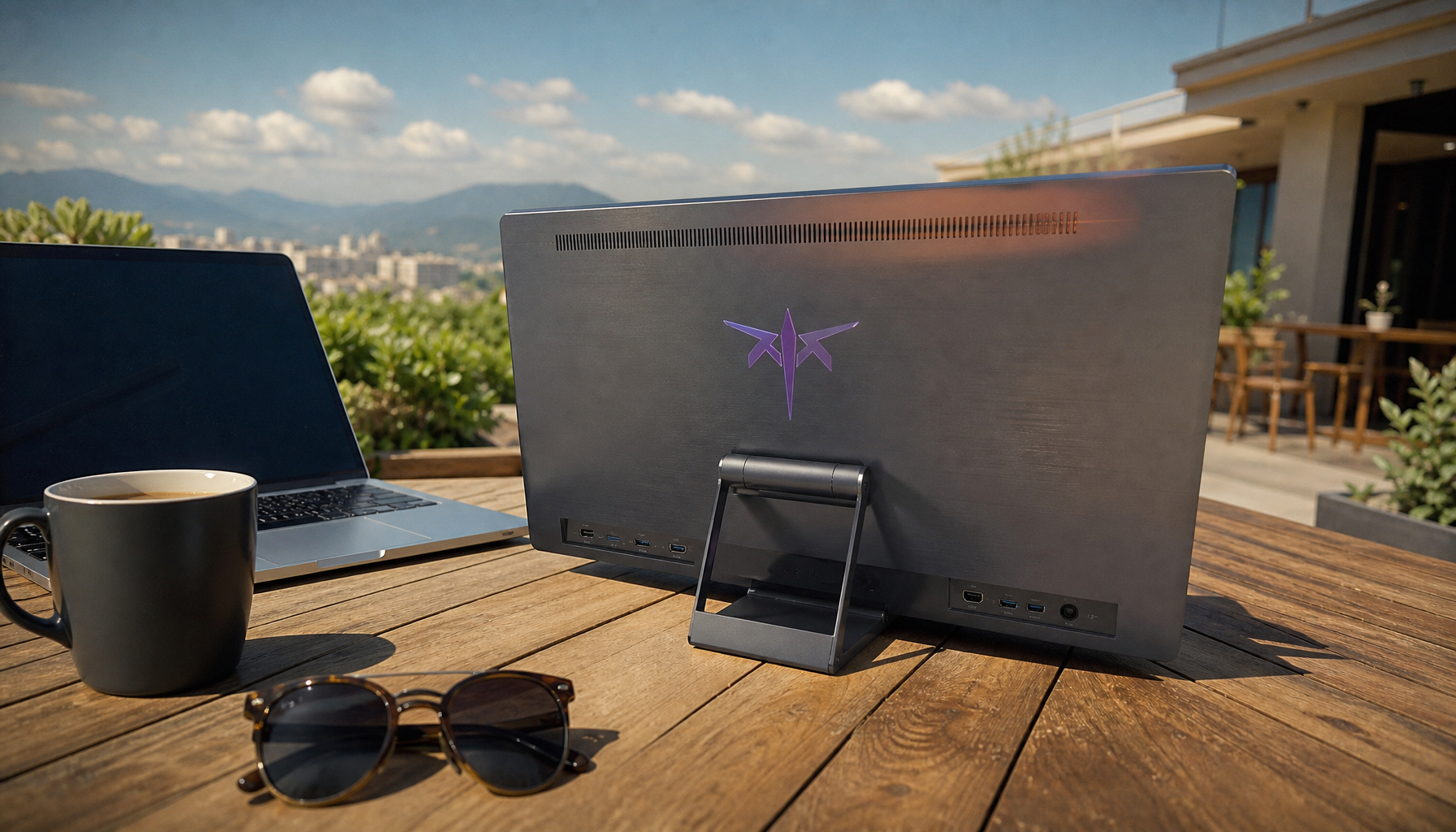
A stable stand matters for dust control. Wobbly magnetic covers invite repositioning, sliding, and extra handling, while a sturdy kickstand reduces how often fingers touch the panel and bezel.

Matte finishes can hide reflections but may show oily smears. Glossy surfaces can look sharper but reveal dust quickly. Neither is maintenance-free, so prioritize build quality, cover design, and stand stability alongside brightness and resolution.
For frequently moved setups, a good portable monitor should feel quick to deploy, not fragile. Buying advice for portable displays often highlights stand quality, weight, and connectivity as practical factors, not just headline specs like 4K or refresh rate, in portable displays comparisons.
The best dust strategy is simple: protect the monitor during movement, reduce static contact, clean gently, and keep the whole kit clean. Your screen stays clearer, touch response stays more reliable, and your portable workstation feels ready every time you open it.