Low blue light mode changes the picture preset because it is not just a comfort toggle. On many monitors, it adjusts color temperature, blue-channel output, brightness, contrast behavior, gamma, and sometimes locks those changes inside a separate eye-care or reading preset.
You turn on low blue light mode at night, and suddenly your gaming monitor looks yellow, dim, or washed out. The practical fix is usually not to abandon the feature, but to use a milder low-blue-light level or rebuild your preferred settings inside a User or Custom preset. This guide explains why the switch happens and how to keep eye comfort without ruining visibility, color, or gaming response.
What Low Blue Light Mode Actually Changes
It Usually Warms the White Point
A monitor’s low blue light mode typically reduces the blue component in the displayed image, which shifts whites and grays toward yellow, amber, or red. Software tools can only change the RGB values sent to the monitor, while the monitor’s physical blue LED primary still emits light at its normal wavelength; the visible reduction comes from sending less blue in the image signal or applying a warmer internal color profile RGB brightness levels.

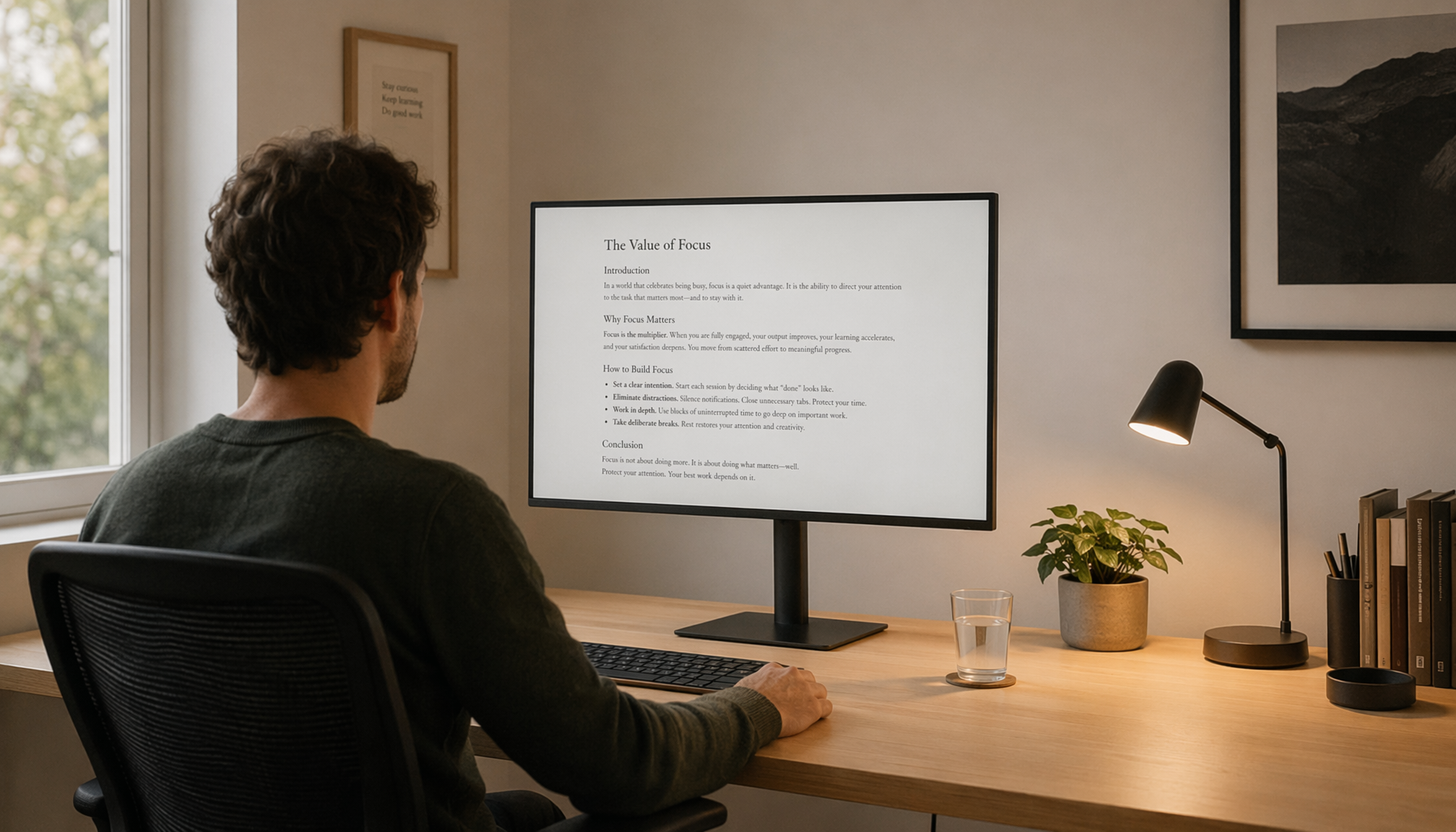
That is why the change is so obvious on white backgrounds. A document page, browser tab, or game menu that looked clean white in Standard or sRGB mode may look cream-colored in Low Blue Light, Eye Care, Reading, or Warm mode. If the monitor also lowers brightness, the picture can look both warmer and flatter.
It Is Not the Same as Calibration
Low blue light mode is designed for comfort, not accuracy. It intentionally moves the display away from a neutral white point, so it can make product photos, skin tones, game art, and video content less accurate. For color-critical work such as photo editing, video grading, print proofing, or product listing images, a calibrated Custom, User, or sRGB-like mode is usually the better baseline.
This distinction matters because many users expect low blue light mode to behave like a harmless overlay. In practice, monitor brands often treat it as a picture mode because it changes the core image recipe: color temperature, channel balance, and sometimes the brightness and contrast curve. A brand, for example, describes multiple blue light filter levels, ranging from normal web browsing to dim ambient light use blue light filter levels.
Why the Monitor Switches Picture Presets
Presets Are Bundles, Not Single Settings
Picture presets are bundles of settings. Standard, Movie, FPS, RTS, sRGB, Reader, Eye Care, HDR, and Custom modes may each store different values for brightness, contrast, gamma, sharpness, saturation, shadow boosting, color temperature, and overdrive availability. When low blue light mode turns on, the monitor may need a preset that already contains the required warmer color profile.

That is why enabling it can kick you out of an FPS or Custom mode. Gaming presets often raise brightness, lift dark areas, sharpen edges, and use cooler tones to make targets easier to see, while comfort-focused modes usually lower blue output and warm the image FPS and similar presets. Those goals conflict, so the monitor firmware may force a different preset instead of trying to merge both.
Some Controls Are Locked to Protect the Mode
Many displays restrict controls when certain modes are active. An sRGB mode may lock color temperature and saturation to preserve a factory profile. HDR mode may lock brightness behavior because the monitor is following HDR tone mapping. Low blue light mode may lock color temperature because changing it would defeat the blue-light reduction.
This is also why two monitors with similar panels can behave differently. One 27-inch high-refresh-rate gaming monitor may let you use Low Blue Light inside Custom mode, while another may move you into Reader mode and gray out color controls. A company’s support guidance for an eye-care monitor points users to OSD options such as Eye Care, Low Blue Light, Blue Light, or Color Temperature, and notes that Normal, Warm, or Cool presets can change color temperature OSD options.
What Changes in Picture Quality
Color, Brightness, and Contrast Can All Shift
The most visible change is color temperature. Whites look warmer because the display is using less blue relative to red and green. On a monitor with a strong low-blue-light level, grays can look yellow, pale blues may look muted, and color-coded UI elements may lose separation.
Brightness can also change. If the monitor simply reduces blue output, total light output may drop. If it compensates by raising red or green, perceived brightness may stay similar, but color balance changes more aggressively. This is why low blue light can feel comfortable in a dark room but underpowered in a bright room.
Setting or Behavior |
What Low Blue Light Mode May Do |
Practical Effect |
Best Use Case |
Color temperature |
Shifts from Cool/Normal toward Warm |
Whites look yellow or amber |
Night browsing, reading, office work |
Blue channel |
Reduces blue contribution |
Less blue-looking image, weaker blues |
Evening use, dim rooms |
Brightness |
May lower luminance or feel dimmer |
Less glare, but lower punch |
Dark rooms, long sessions |
Gamma |
May alter midtone visibility indirectly through preset choice |
Shadows can look flatter or darker |
Depends on game/content |
Contrast |
May reduce perceived contrast in reading modes |
Text may feel softer; games may lose depth |
Comfort-first productivity |
Sharpness/processing |
May disable game-style enhancement |
Less edge harshness, less target pop |
Work, web, casual media |
Custom controls |
May lock color temperature or RGB gain |
Harder to preserve calibration |
Use User/Custom if available |
Gamma and Shadow Detail Are Separate Problems
Low blue light mode should not be used as a substitute for gamma tuning. Gamma controls how the monitor maps signal levels into visible midtones and shadows, and 2.2 is a common starting point for SDR computer use, web content, productivity, and many games gamma 2.2. If a game looks too dark in caves or too flat in daylight, gamma and black-level settings are usually the controls to check first.
For gaming, a PLUGE or black-level test pattern is more reliable than guessing from one dark scene. The practical target is simple: below-black detail should disappear, near-black detail should remain barely visible, and bright whites should not clip. Forum calibration guidance for flight-sim visibility makes the same point: brightness and contrast affect visibility, while gamma changes the curve between black and white rather than the true black and white endpoints brightness and contrast.
How It Affects Gaming Monitors, Ultrawides, and Portable Displays
High-Refresh Gaming Monitors
On a 144 Hz, 165 Hz, 240 Hz, or faster gaming monitor, low blue light mode usually does not reduce refresh rate by itself. The bigger issue is visibility. A strong low-blue-light preset can soften contrast, warm the picture, and reduce the cool-toned highlights that make enemies, UI markers, and distant objects stand out.

For competitive games, a mild warm color temperature is often more practical than the strongest eye-care level. A common starting point is 60% to 80% brightness in a bright room, 30% to 50% brightness at night, contrast around 75% to 90% for visibility-focused play, and gamma near 2.2 before making small adjustments brightness and contrast. Test those settings in three places: a dark scene, a bright outdoor scene, and a white menu or browser page.
Ultrawide and Large Desktop Monitors
Ultrawide monitors make picture-mode changes more noticeable because more of your field of view is filled by the screen. A 34-inch or 49-inch ultrawide running a strong low-blue-light preset can make spreadsheets, code editors, and game HUDs feel calmer, but it can also make the entire desktop look tinted.
For large monitors, comfort is not only about blue light. Viewing distance, room lighting, resolution, scaling, glare, and flicker matter too. Computer monitor eye-care guidance commonly emphasizes flicker-free technology, low blue light standards, glare reduction, and proper ergonomic placement, including keeping the top of the monitor around eye level low blue light standards.
Portable Monitors and Laptop Setups
Portable monitors often have simpler OSD menus than full-size desktop displays. Some only offer broad presets such as Standard, Movie, Game, Text, Warm, and Cool. If low blue light mode switches the portable display into Text or Reading mode, you may lose separate control over contrast or RGB gain.
In that case, use the lightest eye-care level available, then adjust brightness manually for the room. A portable monitor in a hotel room, dorm, or apartment office may need much lower brightness at night than it does near a window in the afternoon. The goal is not to make the screen orange; it is to make white backgrounds comfortable without crushing visibility.
How to Keep Eye Comfort Without Losing Your Best Picture
Start From Custom Mode When Possible
The best setup is usually a User or Custom mode, not the strongest factory preset. Reset the monitor’s current picture mode, choose User/Custom/Game if available, set your refresh rate in the operating system or GPU control panel, then tune brightness, contrast, gamma, and color temperature in that order.

If your monitor lets you apply low blue light inside Custom mode, start with the lowest level. A brand-style multi-level system is useful here because Level 1-type settings are typically intended for normal web browsing with better color reproduction, while stronger levels are better suited to reading or dim ambient light normal web browsing. On other brands, the equivalent may be called Warm 1, Eye Care Low, Comfort Mode, Eye Care Level 1, or Low Blue Light 20%.
Avoid Stacking Too Many Filters
Do not unknowingly stack monitor low blue light mode, an operating system’s warmer-display feature, another operating system’s warmer-display feature, GPU color temperature changes, and a warm-filter app all at once. Each layer warms the image further, and the combined result can look muddy, orange, and low contrast.

Modern desktop operating systems include warmer-display tools with temperature sliders and scheduling, while phones and tablets often include similar warmer-display tools such as blue light filters or eye-comfort modes a built-in warmer-display feature. For a desktop monitor, choose one main control path: either the monitor OSD for a hardware-level preset or the operating system for scheduled evening warmth.
Action Checklist
- Set the monitor to User, Custom, or a neutral Game mode before enabling comfort features.
- Confirm the refresh rate is still set correctly, such as 144 Hz, 165 Hz, or 240 Hz, after changing presets.
- Set brightness for the room first: roughly 60% to 80% for bright competitive setups, and about 30% to 50% for night use.
- Keep gamma near 2.2 for general SDR use unless a test pattern shows crushed shadows or raised blacks.
- Use the mildest low blue light level that makes white screens comfortable.
- Check a dark game scene, a bright game scene, and a white browser page before saving the preset.
- Turn off duplicate filters such as operating-system-level or app-based warm filters if the monitor mode already does enough.
When to Use Low Blue Light Mode and When to Skip It
Low blue light mode is useful for long evening work sessions, browsing, reading, office documents, coding, and casual media in a dim room. It can reduce glare-like discomfort for some users because the screen feels less harsh, especially on white pages and menus. Dark mode can also reduce glare and blue light exposure in dark rooms, although it may be harder to read for some people due to halation or focusing issues dark mode.
Skip strong low blue light mode when color accuracy matters. Product photography, content creation, design review, video grading, and any work involving brand colors should be done in a calibrated or sRGB-like mode rather than a warm reading preset. For gaming, avoid aggressive reading modes if they reduce contrast too much or make targets harder to separate from the background.
The practical middle ground is to save two profiles if your monitor allows it. Use one Custom or Game profile for daytime gaming and color-sensitive work, and another warmer profile for night browsing or long writing sessions. If the monitor forces low blue light into a separate preset, rebuild only the settings you truly need there: brightness, contrast, gamma, response time, adaptive sync, and a mild warmth level.
FAQ
Q: Why does low blue light mode make my monitor look yellow?
A: It reduces the relative amount of blue in the image, so red and green become more visually dominant. The result is a warmer white point, which can make white pages look cream, yellow, or amber. The stronger the setting, the more obvious the tint.
Q: Can I use low blue light mode while gaming?
A: Yes, but use a mild level for competitive gaming. Strong reading or eye-care presets may reduce contrast, mute cool colors, or change shadow visibility. For high-refresh-rate gaming, verify that your refresh rate, adaptive sync, response time, and overdrive settings remain active after the preset switch.
Q: Can I keep my custom picture settings with low blue light mode?
A: Sometimes. Some monitors allow low blue light to be adjusted inside Custom or User mode, while others force a separate Eye Care, Reader, or Low Blue Light preset. If your controls are locked, use the closest warm color temperature in Custom mode or recreate your preferred brightness, contrast, and gamma values inside the low-blue-light preset.
Key Takeaways
Your monitor changes picture presets when low blue light mode is enabled because the feature often changes more than one value. It may adjust blue-channel output, color temperature, brightness, contrast behavior, gamma response, and image processing, so the monitor stores it as a dedicated picture mode instead of a simple switch.
For most users, the best setup is a neutral Custom or User mode with brightness matched to the room, gamma around 2.2, contrast left near a sensible default, and only a mild low-blue-light level at night. For color-critical work, use a calibrated or sRGB-like mode. For gaming, test visibility before committing to any comfort preset.