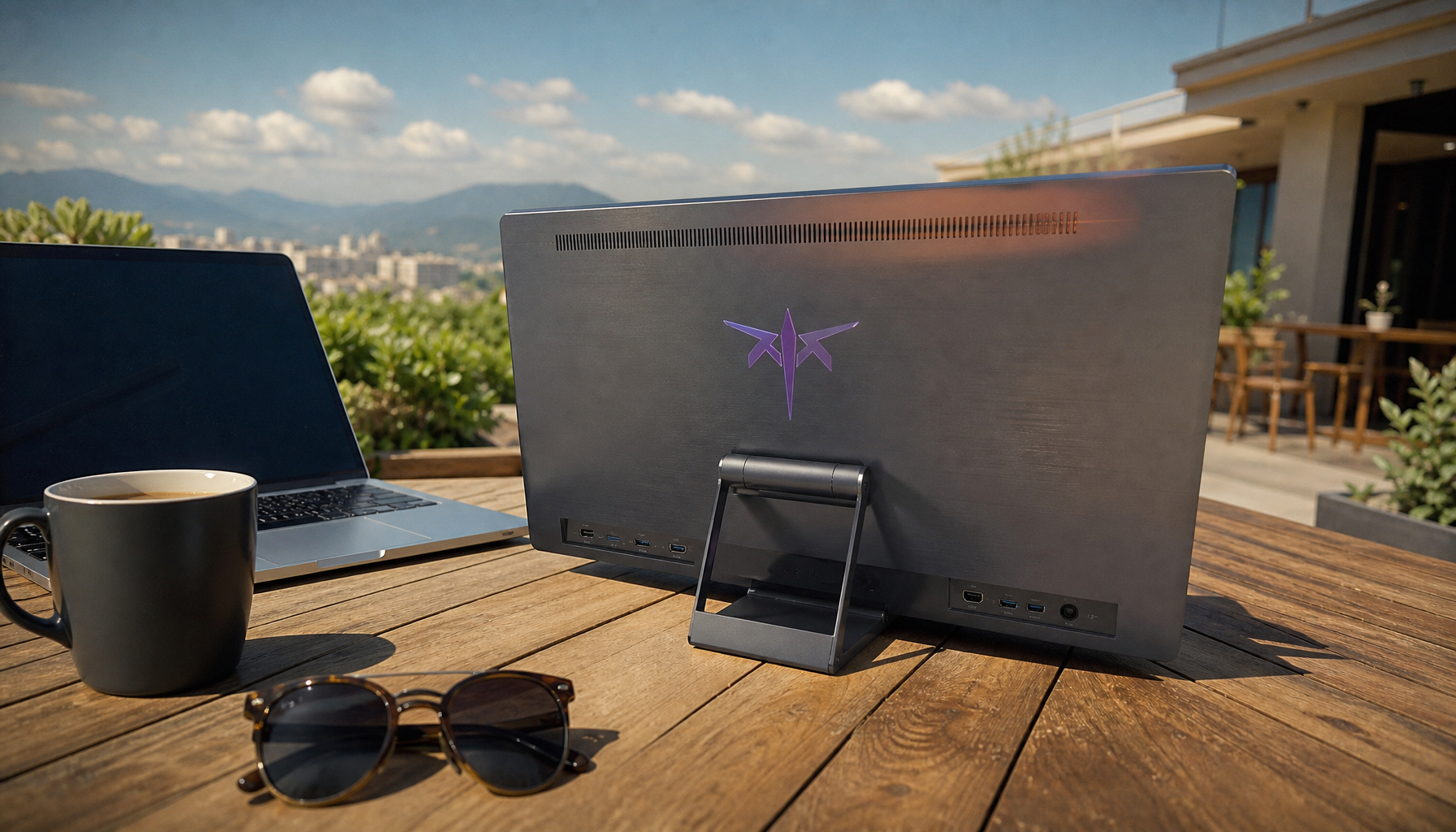
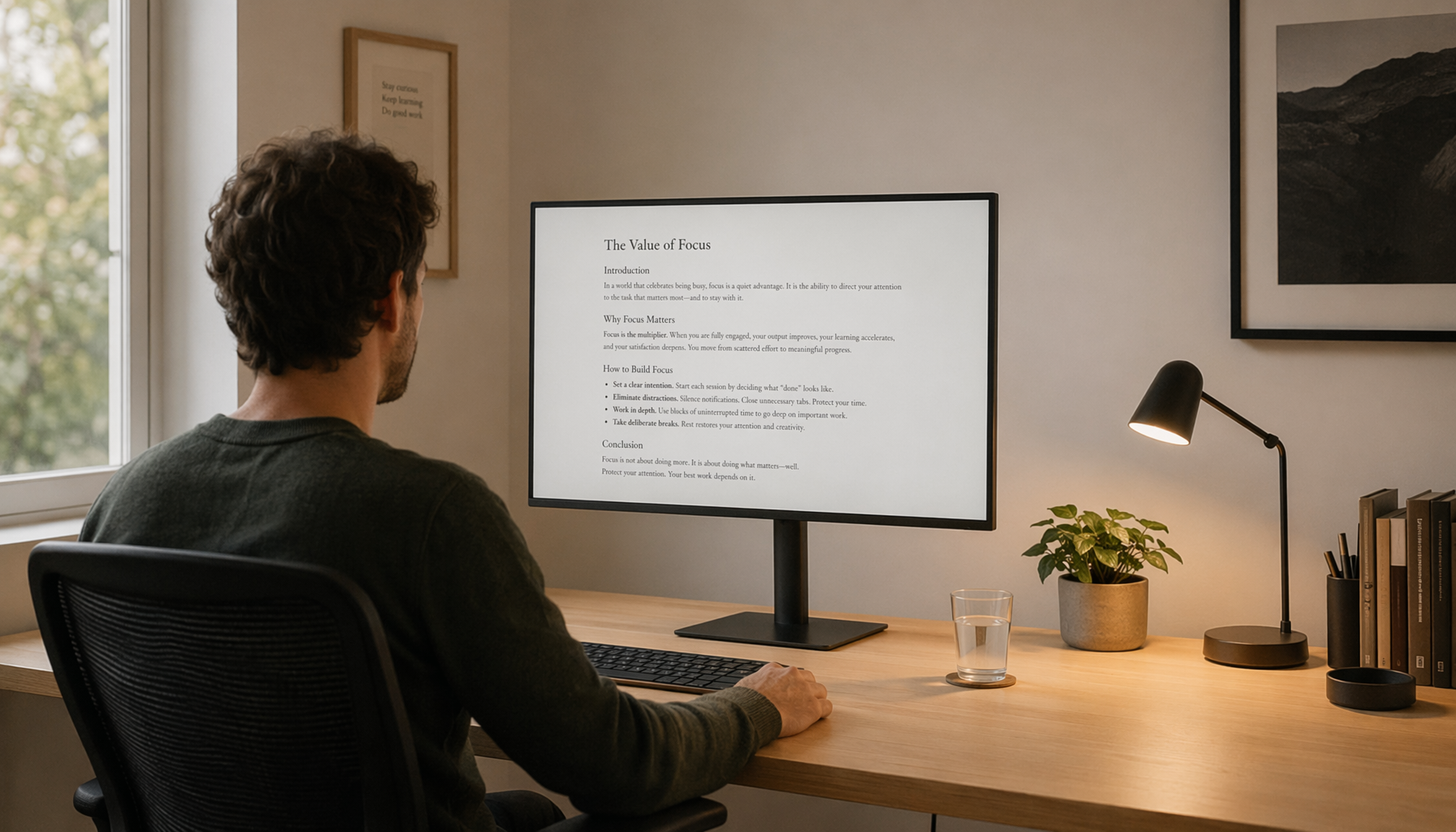
Colors shift because your eyes adapt to the room’s light color, brightness, and glare, so the same monitor can look cooler, warmer, flatter, or more saturated. The display did not necessarily change; your viewing environment changed the reference your brain uses to judge white, gray, and contrast.
Your Room Light Becomes the Color Baseline
Overhead lighting often spreads evenly across the room, while a desk lamp creates a localized pool of light near your keyboard, wall, or screen edge. If that lamp is warm, your eyes adapt to warmer whites, making the monitor look bluer by comparison.

The reverse happens with cool overhead LEDs. A screen set to a daylight-like white point may look balanced in similar lighting, but under a warm desk lamp it can feel icy, especially on white documents, spreadsheets, and game menus.
This is why color accuracy is not just a monitor spec. A careful setup starts with consistent ambient light, because human vision adapts quickly and can mislead your judgment of neutral tones.
Brightness and Contrast Feel Different at Night
A display that looked punchy under overhead lighting can feel harsh when the rest of the room is dim. Your pupils open wider, the surrounding area gets darker, and the screen becomes the brightest object in your field of view.

For productivity, the monitor should not overpower the room. A practical calibration principle is that screen brightness should preserve shadow detail without making black areas glow or crushing near-black texture; basic brightness calibration can often improve comfort in minutes.
Gamers notice this too. Dark corners in an FPS may look easier to read with a brighter profile, but that same setting can make office text tiring under a desk lamp. For long sessions, reliable visibility beats raw luminance.
Desk Lamps Can Add Glare and Color Cast
A lamp pointed at the panel, glossy bezel, or nearby wall can wash out dark tones. Even a small reflection can make blacks look gray, which changes perceived contrast and can make colors appear weaker.

Warm lamps can also tint the surfaces around your monitor. If your desk, wall, or notebook reflects amber light, your eyes compare the display against that warmer environment. Whites on-screen may look blue, reds may feel punchier, and skin tones may look less natural.
Quick fixes:
- Aim the lamp away from the screen surface.
- Keep the lamp beside or behind the monitor, not in front.
- Avoid mixing very warm desk light with cool ceiling light.
- Use a matte monitor or reduce reflection sources.
- Keep room lighting repeatable for color-sensitive work.
Presets, Gamma, and Color Modes Matter
Changing room lighting often exposes a preset that was already too aggressive. Vivid, Dynamic, Movie, and some game modes may boost saturation, contrast, or black levels for impact instead of accuracy.
For general use, start with sRGB, Standard, Custom, or a factory-calibrated mode. Gaming monitors may include FPS or RPG modes that intentionally alter brightness, contrast, and saturation; some display profiles are designed for visibility or atmosphere, not neutral color.
Gamma is another hidden reason colors seem to shift. Around 2.2 is a common target for web, office, and SDR gaming use; if gamma is too high, shadows deepen and colors can look more contrasty than intended.
How to Keep Colors Consistent
For everyday work, you do not need a lab-grade setup. You need repeatability: same lamp position, same monitor mode, same brightness range, and no surprise auto-enhancement features.
Users with supported displays can enable automatic color management to improve color consistency across apps. For paid creative work, product color review, print matching, or multi-monitor setups, a hardware colorimeter is the smarter investment because it measures the actual screen instead of relying on your eyes.

The best-value move is simple: set your lighting first, then tune the monitor. A great display performs best when the room stops fighting it.