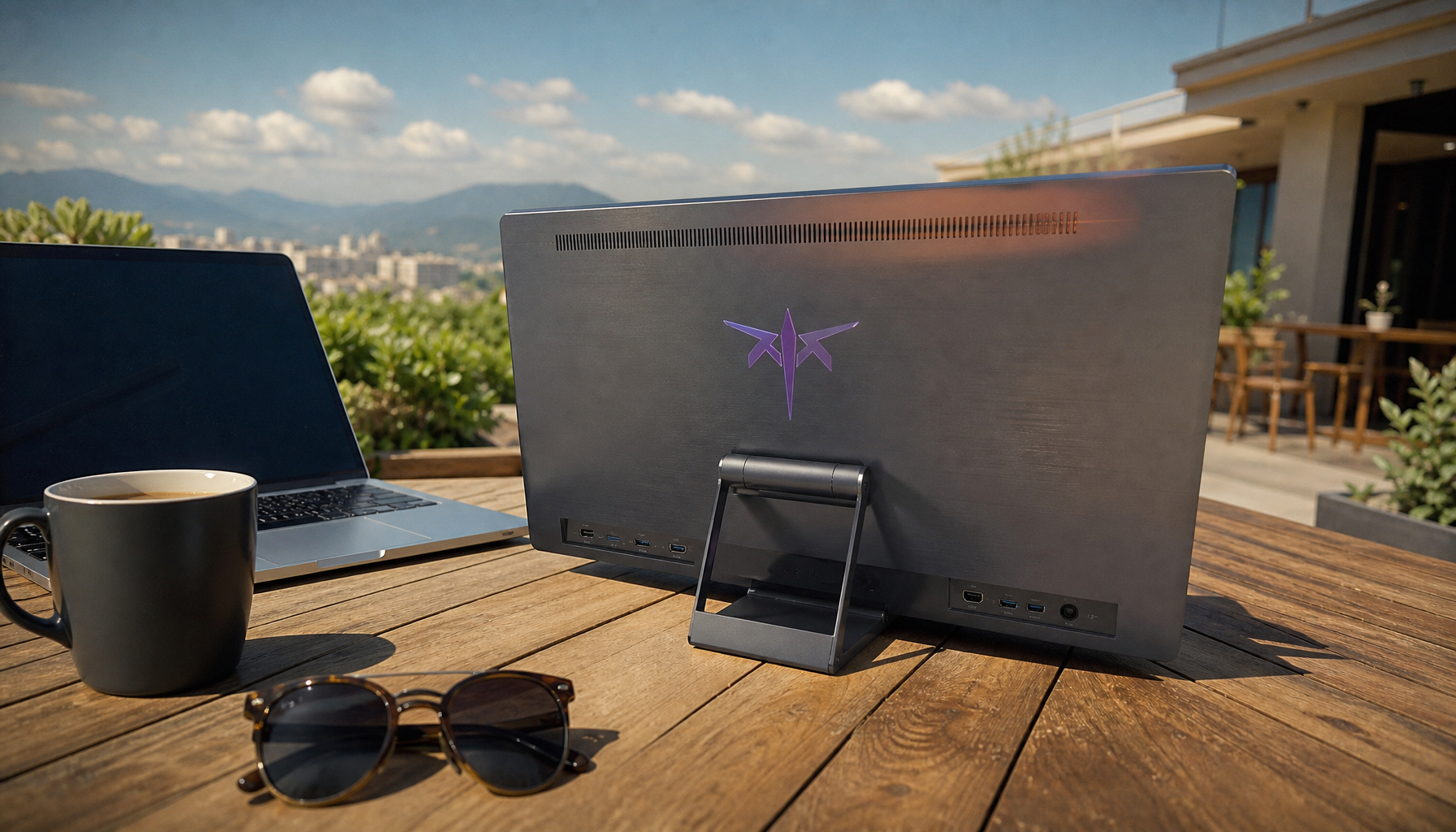
Monitors and laptop docking stations both release heat, so placing them too close together can create a warm pocket that affects comfort, device stability, and multi-screen reliability. The fix is usually simple: give heat a path out, keep vents clear, and match your dock’s workload to the number and type of displays you run.
Is your workstation warmer than expected after adding a second display, a high-bandwidth dock, and a closed laptop under the monitor shelf? A practical layout change, such as moving the dock out from behind the monitor and giving it open airflow, can reduce heat buildup without sacrificing desk performance. Here is how to spot the real thermal risks and build a cooler, more reliable screen setup.
Why Monitor-and-Dock Heat Becomes a Problem
A modern docking station is not just a cable adapter. It acts as a central hub for external displays, power delivery, USB devices, Ethernet, storage, and sometimes display-processing technology. The more it handles, the more heat it must shed into the surrounding air.
Monitors add their own thermal load. Bright panels, high refresh rates, internal power boards, USB hubs, and integrated speakers all generate heat. When a dock sits directly behind a monitor, under a riser, or between a laptop and display stand, the devices may warm the same small air zone. That is where thermal management becomes less about one “hot” device and more about poor heat escape.
In display work, this matters because stability is performance. A 4K productivity monitor, a 144 Hz gaming panel, and a USB-C dock can all function correctly on paper, yet the setup may become unreliable if heat collects around cables, power bricks, and rear vents.
The Main Thermal Challenges
Heat Stacking in a Tight Desk Zone

The first challenge is heat stacking. A monitor radiates heat backward and upward, while many docks shed heat through their top, bottom, or aluminum shell. If the dock is placed behind the monitor stand, it may sit in the warmest part of the desk.
The basic idea is similar to larger equipment spaces: airflow must remove heat rather than let it recirculate. Data center design guidance emphasizes separating hot and cool air paths because mixing them reduces cooling efficiency; the same principle applies in miniature on a desk with dense electronics and blocked rear airflow hot and cool air paths.
A simple real-world test is to run your normal workload for 30 minutes, then place your hand near the monitor’s rear panel, the dock body, and the power brick. Warm is normal. Hot enough that you instinctively pull away is a layout warning, especially if the dock is enclosed or buried under cables.
Blocked Vents and Poor Convection
Many monitors rely on passive convection, meaning warm air rises through vents while cooler room air enters around the chassis. Docking stations often do the same through metal housings and small ventilation slots. When devices are pressed against each other, stacked, or tucked into a tray, that natural airflow weakens.
OSHA’s workstation guidance focuses on monitor position for comfort, but it also reinforces that monitors are physical workstation components that need proper placement, clearance, and adjustability monitor position. Thermal management should be treated as part of that placement decision, not an afterthought.
A practical spacing rule is to keep at least a few inches of open air around the dock and avoid placing it directly against the monitor’s rear shell. If your desk has a rear wall or cable channel, do not trap both the monitor’s heat and the dock’s heat in that same narrow pocket.
Higher Display Loads Create More Dock Heat
Docking stations get warmer when they work harder. A single 1080p office display is a light workload compared with dual 4K displays, high refresh gaming monitors, or multiple extended screens. Technologies that enable extra displays, such as software-assisted display processing, may also increase system activity because the dock and laptop are doing more work to drive the workspace.
A dock often connects the laptop to monitors, power, USB devices, Ethernet, storage, and other peripherals. That means the thermal load is not only “video.” It is also charging wattage, network traffic, USB accessories, and heat from the power adapter.
For example, a laptop connected to two 27-inch monitors, Ethernet, a webcam, external SSD, keyboard, mouse, and 90 W charging is asking the dock to handle power, data, and display output at the same time. If that dock is hidden behind a warm monitor, it has less room to shed heat right when its workload is highest.
Why Heat Affects Reliability
Heat does not need to damage hardware to cause problems. It can still reduce performance consistency. Users often notice flickering displays, random USB disconnects, charging interruptions, or docks that need to be unplugged and reconnected. Those symptoms can come from drivers, cables, firmware, or power limits, but thermal stress should be part of the troubleshooting path.
Electronic thermal management is fundamentally about moving heat away from components so they stay within safe operating ranges. Thermal interface and materials guidance often frames the issue around conduction, convection, and radiation because electronics must transfer heat from chips and boards into the surrounding environment moving heat away. A desk setup follows the same physics, just at a smaller scale.
The benefit of placing a dock near the monitor is obvious: short cables, cleaner routing, fewer visible devices, and a more polished setup. The trade-offs are just as practical: less airflow, harder access to ports, more cable crowding, and greater heat concentration behind the display.
Placement Choice |
Thermal Benefit |
Trade-Off |
Dock beside the monitor stand |
Better open-air cooling |
More visible cables |
Dock behind the monitor with clearance |
Cleaner look with moderate airflow |
Needs careful spacing |
Dock under a shelf or in a tray |
Frees desk surface |
Highest risk of trapped heat |
Dock mounted vertically in open air |
Good convection and access |
Requires secure mounting |
How to Build a Cooler Monitor-and-Dock Setup
Give the Dock Its Own Air Zone

Treat the dock as an active workstation component, not a cable lump. Place it where air can move around the shell. A vertical position can help because warm air rises along the body instead of being trapped under it. Avoid stacking the laptop, dock, and monitor power brick together.
For a compact desk, the best arrangement is often the dock beside the monitor base, the laptop on a stand with its vents unobstructed, and the power brick on the floor or in an open cable tray. That separates three heat sources that otherwise compound each other.
Keep Brightness and Refresh Rate Intentional
Monitor brightness has a direct comfort impact and can influence heat output, especially on large or bright displays. You do not need to dim a high-quality screen into dullness, but you should avoid running maximum brightness all day in a room that does not require it.
High refresh rate monitors also deserve intention. A 165 Hz gaming display is excellent when gaming, but an office workflow may be just as smooth at a lower refresh rate while reducing bandwidth demand through the dock. The performance-driven move is not always “max everything.” It is matching settings to the task.
Avoid Enclosed Cable Clutter

Cable clutter acts like insulation when it blocks vents or surrounds the dock. Thick display cables, power leads, and adapters can create a heat blanket behind the monitor. This is especially common with three-screen and four-screen setups where every port is filled.
A cleaner routing plan improves both thermals and reliability. Run display cables with gentle curves, avoid tight bundles directly over dock vents, and keep power bricks away from the monitor’s rear panel. If a cable management box gets warm inside, it should not house the dock.
Use Temperature Checks During Setup
You do not need lab gear to make better thermal decisions. After arranging the workstation, run the actual workload you care about: a video call, a spreadsheet dashboard, a browser-heavy workflow, or a game. After 30 to 60 minutes, check whether the dock, monitor rear panel, and laptop base are merely warm or uncomfortably hot.
For more precision, a basic infrared thermometer can help compare placements. If the dock is noticeably cooler when moved from behind the monitor to an open side position, the old placement was restricting heat escape. The exact number matters less than the repeatable difference under the same workload.
Ergonomics and Thermals Should Work Together

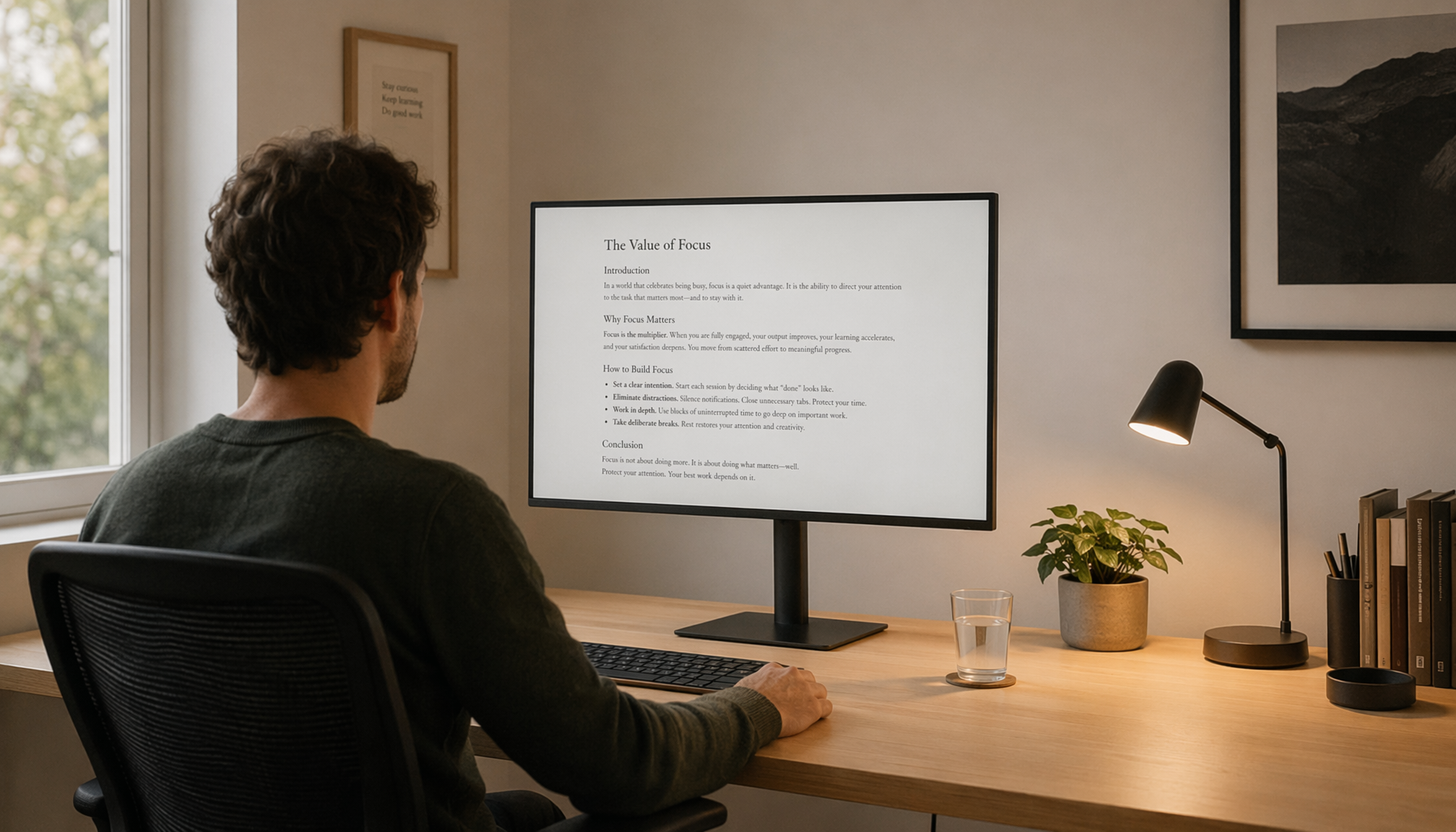
A cool setup that forces bad posture is not a good setup. The monitor still needs to sit at a comfortable height and distance, with the top of the screen around eye level for many users and the display positioned to reduce neck strain. Ergonomic monitor-height guidance emphasizes aligning the screen to the user rather than bending the user to the workstation comfortable height.
The thermal-friendly version is to use an adjustable arm or riser that creates open air behind and below the display. That gives the monitor better placement while freeing the dock from the hottest rear pocket. In practical terms, a monitor arm can improve both posture and airflow if it reduces base clutter and opens the desk surface.
Shared Workstations Need Extra Discipline
Thermal issues become harder in shared rooms where visiting employees use the same monitors and docks. Shared docking stations and monitors are not always assigned to one person or laptop, so they can be harder to track as independent equipment.
That matters because shared devices often run with unknown cables, changing laptops, different power demands, and inconsistent placement. One user may leave the dock buried behind a monitor; another may connect three displays and a charging laptop; another may add a webcam and storage drive. For these rooms, label the intended dock position, keep the surface clear, and treat the monitor-plus-dock set as a managed workstation zone rather than loose accessories.
Practical Buying and Placement Advice
Choose a dock that is designed for your actual monitor plan. If you need two 4K displays, buy for two 4K displays. If you need high refresh rates, confirm that the dock, laptop port, cable, and monitor all support that target. Underspecified docks can run hot because they are being pushed to the edge of their intended use.
Thermal management in electronics often depends on the whole stack: component efficiency, board design, enclosure material, airflow, and installation environment. LED and display PCB thermal discussions highlight that keeping heat under control protects performance and lifespan, especially when bright display components are involved keeping heat under control.
The best value setup is not the most expensive dock or the largest monitor. It is the setup where bandwidth, power delivery, airflow, and ergonomics all fit the job. A reliable office display station should stay stable through a full workday. A gaming monitor setup should preserve refresh performance without turning the rear of the desk into a heat pocket. A portable smart screen arrangement should keep adapters and hubs exposed enough to cool naturally.
Quick FAQ
Can a monitor overheat a docking station?
A monitor usually will not overheat a dock by itself, but it can contribute to a warmer local environment. The risk rises when the dock sits directly behind the display, under a shelf, near a power brick, or inside a cable box with poor airflow.
Is it safe to put a dock under a monitor stand?
It can be safe if the stand is open and the dock has clearance on all sides. It is a poor choice if the stand traps heat, presses on the dock, blocks vents, or leaves no air path upward.
Should the laptop stay open or closed when docked?
Either can work, but a closed laptop may run warmer depending on its vent design and workload. If the laptop, dock, and monitor are all warm in the same area, put the laptop on a ventilated stand and keep the dock in open air.
A high-performance display setup should feel fast, clean, and dependable after hours of use, not just in the first five minutes. Give each heat source breathing room, match the dock to the screens you actually drive, and your monitor station will deliver the immersion and productivity it was built for.