Yes, but with limits: your operating system can switch display layouts together, and dedicated tools can save multi-monitor profiles, but true “all monitors change picture mode at once” depends on monitor firmware, DDC/CI support, and the software controlling them. For most users, the practical answer is a profile-based workflow: one shortcut for work, one for gaming, and one for presentation or focus mode.
What “Syncing Presets” Really Means
There are two different preset layers.
The first is the operating-system layer: resolution, scaling, refresh rate, orientation, primary display, and whether monitors are extended or duplicated. Core multi-monitor modes like Extend and Duplicate are covered in multiple monitors, and the projection shortcut can switch broad layouts quickly.
The second is the monitor layer: picture mode, brightness, contrast, color temperature, HDR behavior, overdrive, black equalizer, and eye-care modes. These settings live inside each display’s own OSD, so syncing them across different models is not guaranteed.
In short: syncing layout presets is easy. Syncing image-quality presets is possible, but hardware-dependent.
The Best Way to Make Monitors Switch Together
For a multi-monitor desk, use profile software that saves the whole workspace state instead of changing one monitor at a time. Dedicated profile software can manage monitor profiles, hotkeys, triggers, window placement, and automation, which makes it much easier to jump between productivity and gaming setups.
A strong four-profile setup looks like this:

- Work: Extend displays, main monitor centered, 100-125% scaling.
- Gaming: Main high-refresh display only, VRR enabled where supported.
- Streaming: Game on one screen, chat and controls on the second.
- Presentation: Duplicate displays, lower resolution if the projector needs it.
This is where the value shows up: you are not paying for novelty; you are buying back the time normally spent reopening settings panels, dragging windows, and correcting mismatched screens.
Where the Operating System Helps, and Where It Stops
The operating system handles the foundation well. You can identify displays, rearrange them, choose Extend or Duplicate, and set a primary monitor from the display panel. Projection options are reliable for broad switching, especially between built-in-only, external-only, duplicated, and extended modes.
But the operating system does not fully replace a monitor-control utility. It usually will not push “FPS mode” to one display, “sRGB mode” to another, and “Reading mode” to a portable screen in one clean action.
That matters for mixed setups. A 27-inch gaming monitor, a 24-inch office display, and a portable USB-C screen may expose different controls, support different refresh rates, and respond differently to HDR or color commands.

Even two monitors with the same model name may not match perfectly without calibration, so syncing presets is about consistent behavior, not guaranteed identical color.
Gaming, Office, and Portable Screen Use Cases
For gaming, prioritize refresh rate, native resolution, adaptive sync, and the right response-time setting. Variable refresh technology is designed to reduce tearing by matching refresh behavior to frame output, which is why adaptive sync is more important than simply copying a bright “Game” preset to every screen.
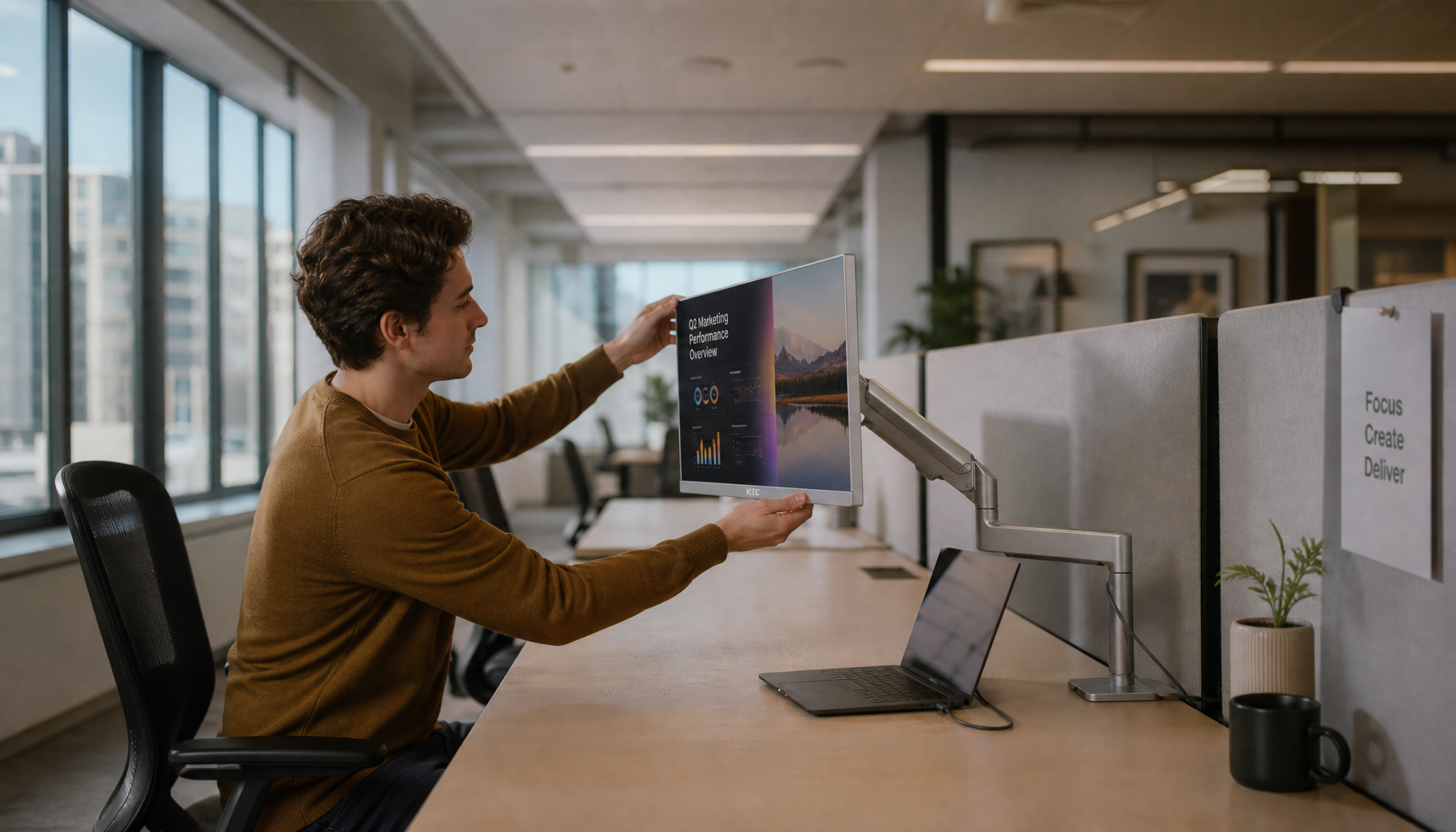
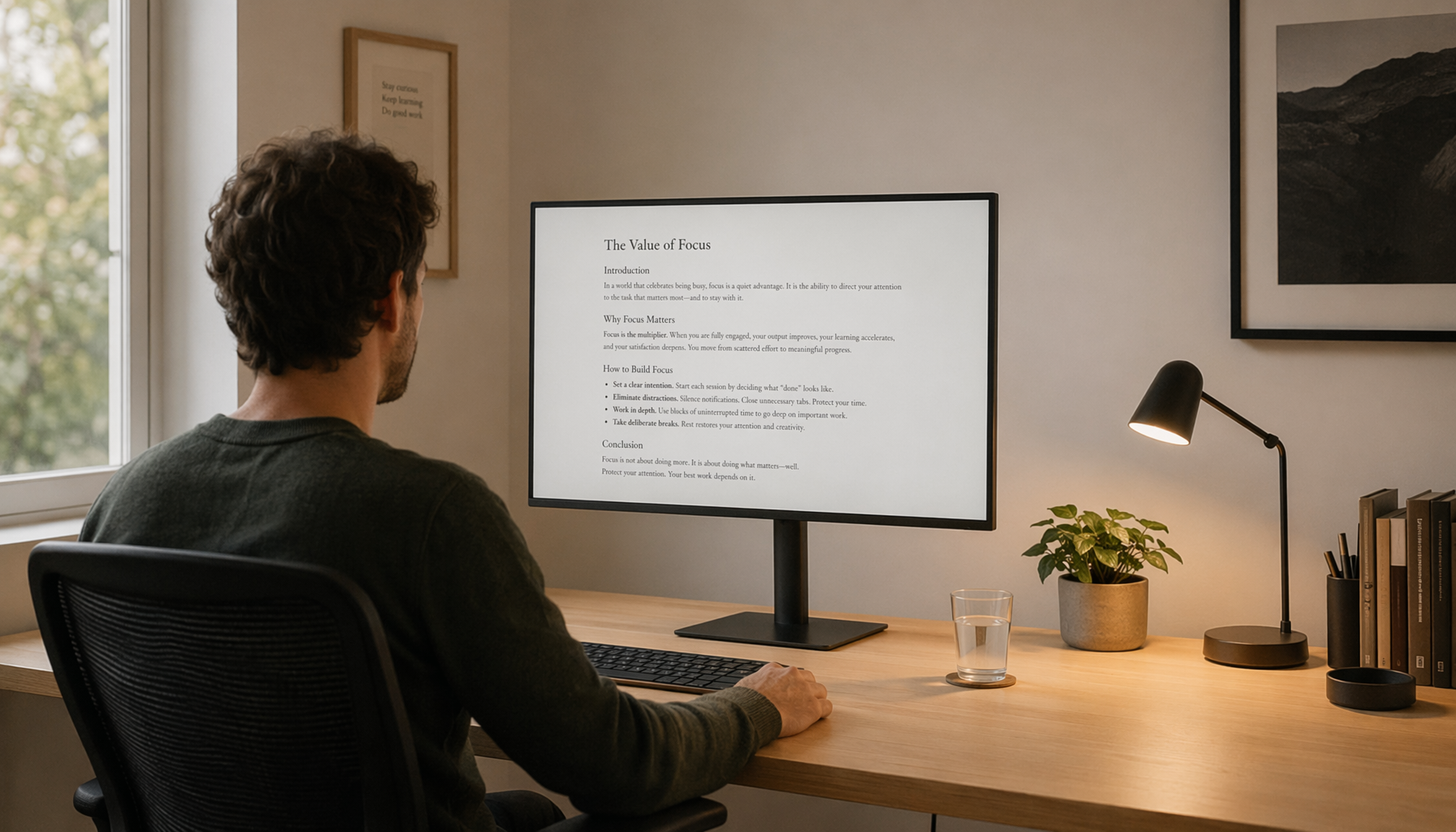
For office work, presets should protect attention. Use consistent scaling, comfortable brightness, and a stable primary display so apps open where expected. Multi-monitor management tools are useful because they reduce window switching and make complex desks easier to operate; multi-monitor tools often focus on profiles, hotkeys, snapping, and screen organization.

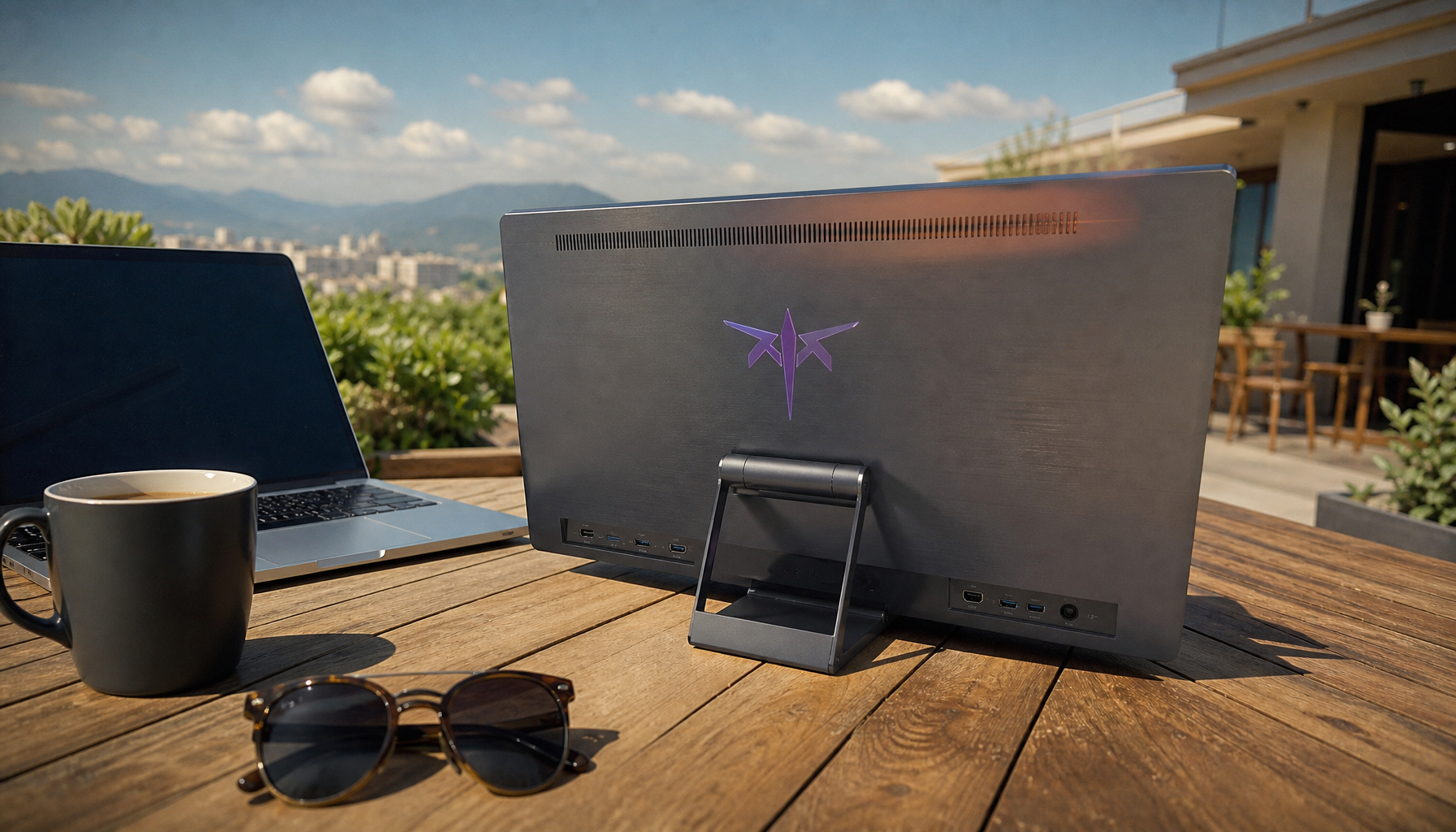
For portable smart screens, keep expectations practical. USB-C bandwidth, dock behavior, and power delivery can affect whether a profile restores cleanly after sleep, travel, or unplugging.
Quick Setup Checklist
Start with the operating system, then add automation only where it saves time.
- Match each screen’s native resolution and best refresh rate.
- Arrange displays physically before saving profiles.
- Create profiles for work, gaming, presentation, and travel.
- Assign keyboard shortcuts for the two modes you use most.
- Test wake-from-sleep and dock reconnect behavior before relying on it.
So, can you sync display presets across multiple monitors? Yes, for layouts and many software-controlled settings. For full picture-mode synchronization, choose monitors with compatible control support and use profile software as the command center.