Pairing a Bluetooth keyboard and mouse with your smart touch monitor turns it into a true productivity workstation. For owners of devices like the KTC MegPad, this setup delivers desktop-style navigation and typing without cables cluttering your space, making it ideal for remote work, study sessions, or casual browsing in the living room. The process follows standard Android steps, but understanding compatibility, latency trade-offs, and troubleshooting helps avoid common frustrations that reduce efficiency.

Understanding Bluetooth Compatibility on Smart Screens
Most modern Bluetooth keyboards and mice work seamlessly with Android-based smart monitors because they rely on the standard Bluetooth Human Interface Device (HID) profile. This built-in support means you typically need no extra drivers or apps for basic input on the MegPad, which runs Android 13 or 14 with full Google EDLA certification.
Bluetooth 5.2, common in these devices, generally offers a stable range of up to 30 feet in open spaces. However, real-world performance can drop when too many Bluetooth devices connect simultaneously or when obstacles interfere with the signal. For most users, this range supports comfortable couch or desk setups without constant re-pairing.
Compatibility remains conditional on your specific peripherals. Newer models using Bluetooth 5.0 or higher tend to pair more reliably, while very old devices may show limited functionality or require firmware updates. Check your keyboard and mouse specifications for HID support before purchase to avoid disappointment.
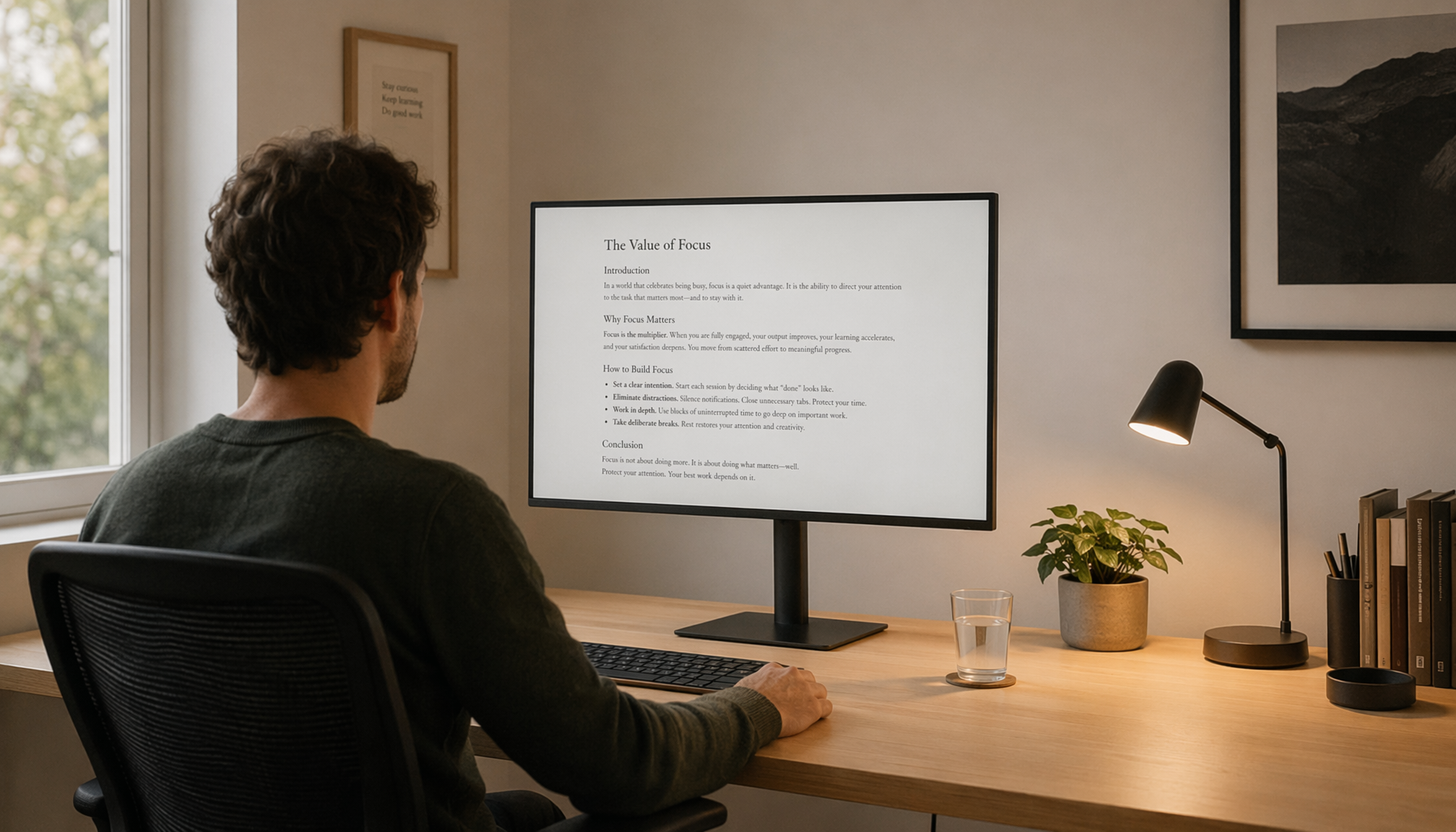
This compatibility makes the MegPad more than a media screen—it becomes a versatile hub for productivity tasks. Yet for precision work on its large 4K display, many users find the slight delay noticeable during fast cursor movements.
Step-by-Step: Connecting Peripherals to Your Smart Monitor
Connecting a Bluetooth keyboard or mouse to your smart touch monitor follows a straightforward Android workflow. Start by ensuring your MegPad has sufficient battery charge and is powered on in Android mode.
Navigate to Settings > Connected devices > Pair new device. Put your keyboard or mouse into pairing mode—most models show a blinking LED indicator when ready. The device should appear in the scan list within seconds.
Select the peripheral from the available devices. For keyboards, you may need to confirm a displayed PIN code on both the monitor and the device. Once paired, test immediately: move the mouse to confirm the cursor appears on screen or type into the search bar to verify keystrokes register.
This official Android pairing guidance confirms the same steps apply across compatible smart screens. The entire process usually takes under two minutes once you locate the settings menu.
After successful pairing, your peripherals should reconnect automatically when in range and powered on. If they do not, repeat the scan process or check battery levels on all devices.

Troubleshooting Common Pairing and Connection Issues
Bluetooth devices sometimes fail to appear in scan results. The most frequent cause is the peripheral already being paired with another device like your phone or laptop. Disconnect it from that host first, then retry the scan on your smart monitor.
Input lag or a “floaty” cursor often appears on large screens because even small delays become more noticeable over longer cursor travel distances. Reduce lag by limiting the number of active Bluetooth connections, staying within 10-15 feet of the monitor, or moving interfering devices like Wi-Fi routers farther away.
Intermittent disconnects frequently trace back to low battery levels on either the monitor or the peripherals. Keep the MegPad charged above 20% during extended sessions, and replace peripheral batteries promptly. Firmware updates for both the monitor and your input devices can also resolve stability problems.
If issues persist, restart the smart monitor or forget the device in Bluetooth settings before attempting to pair again. These steps resolve the majority of reported pairing failures without needing technical support.
Bluetooth vs. USB: Choosing the Right Connection for Your Workflow
Bluetooth offers excellent cable-free convenience, but it is not always the best choice for every MegPad use case. The decision often comes down to your primary workflow and tolerance for minor input delays.
Bluetooth vs. USB: Speed and Convenience Trade-offs
A tiered comparison of connection options for typical workflow setups, highlighting latency, port use, and mobility rather than exact measurements.
View chart data
| Category | Latency Tier | Port Usage Tier | Mobility/Range Tier |
|---|---|---|---|
| Bluetooth | 2.0 | 0.0 | 2.0 |
| USB 2.4GHz Wireless | 1.0 | 1.0 | 1.0 |
| Wired USB | 0.0 | 2.0 | 0.0 |
Bluetooth works well for casual “couch browsing” where you sit several feet away and prioritize freedom from cables. However, on large 32-inch screens, the typical 10-20ms latency can create a noticeable rubber-banding effect during rapid mouse movements or precise clicking in spreadsheets.
A 2.4GHz wireless dongle usually delivers lower latency in the 1-3ms range, making it the preferred option for desk-based productivity on the MegPad. This approach uses one USB port but provides a snappier feel that many users find more comfortable for extended work sessions.
Wired USB-C connections eliminate latency entirely and suit gaming or high-speed data entry, yet they sacrifice the wireless mobility that makes portable smart monitors attractive. Choose based on your dominant task: Bluetooth for relaxed navigation, 2.4GHz for focused office work, and wired only when absolute precision matters most.
Maximizing Productivity with Keyboard Shortcuts and Mouse Gestures
Once your keyboard and mouse connect, Android’s built-in shortcuts transform the MegPad from a touch device into a desktop-like workstation. Pressing the Search or Windows key opens the app drawer instantly, similar to the Start menu on a PC.
Alt + Tab lets you switch between running applications quickly without touching the screen. Right-click functionality appears in apps like Chrome and Gmail, providing full context menus instead of relying on long-press gestures that feel slower on large displays.
The mouse scroll wheel works naturally for scrolling long documents, web pages, or carousels in streaming apps. These small changes reduce the need to reach toward the screen repeatedly, which improves both speed and ergonomics during long sessions.
For best results, experiment with these shortcuts in your most-used apps. Many users report that after one week of consistent use, they rarely return to pure touch navigation on their smart monitor.
Setting Up Your MegPad as a Portable Workstation
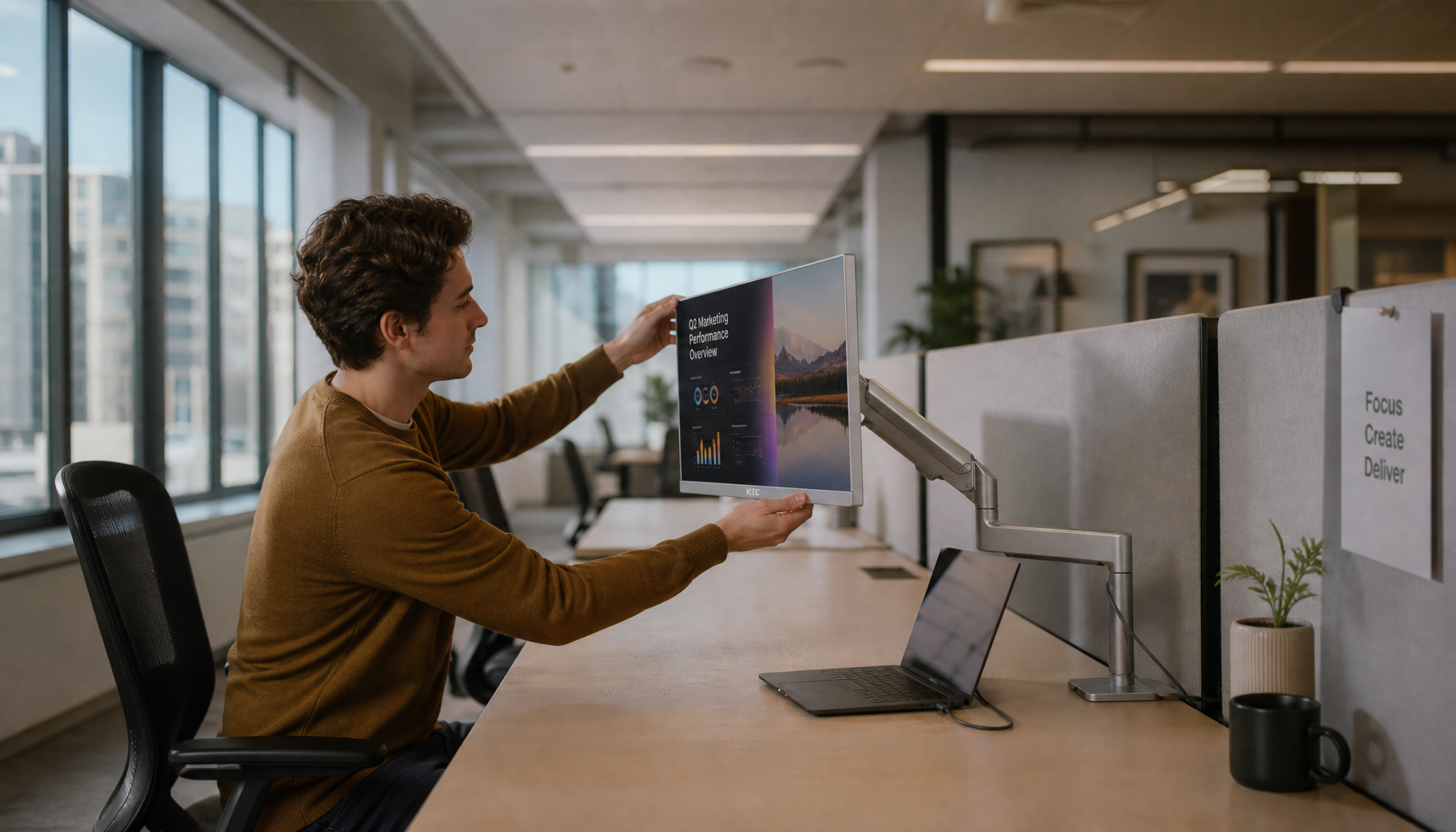
Combine your newly paired Bluetooth peripherals with the MegPad’s adjustable stand to create an ergonomic portable office. Position the screen at eye level and keep the keyboard at a comfortable typing height to reduce strain during extended work.
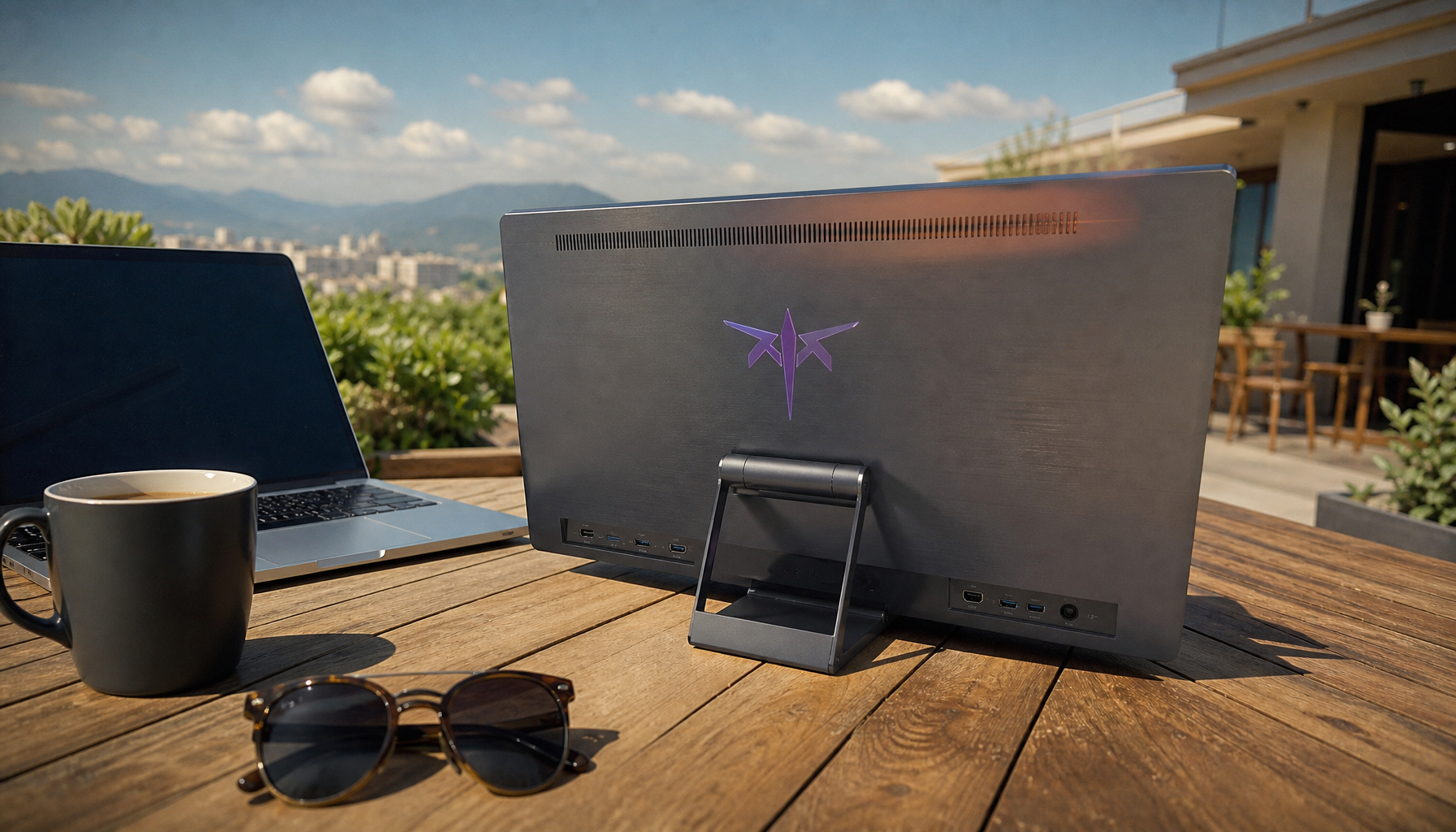
The built-in battery supports hours of untethered use, letting you move your setup from desk to patio or even different rooms without losing your keyboard and mouse connection. Pair this with a quality surface for the mouse to maintain smooth tracking.
Consider adding a KTC Gaming MousePad for consistent cursor control across various locations. This combination turns the MegPad into a flexible workstation that adapts to your lifestyle rather than forcing you into a fixed desk arrangement.
Many remote workers and students use this configuration to replace bulkier laptops during travel or temporary setups. The key is treating the smart monitor as your central hub and letting wireless input devices handle the heavy lifting.
Can Any Bluetooth Keyboard Work With the MegPad?
Most modern Bluetooth keyboards that support the HID profile will work. Older or specialized gaming keyboards may have limited key support or require additional configuration. Always verify Bluetooth version compatibility for the most reliable experience.
Does Bluetooth Input Lag Affect Productivity on Large Screens?
On 27-inch and larger displays, even modest Bluetooth latency can feel noticeable during precise tasks like graphic editing or spreadsheet navigation. For heavy productivity use, a 2.4GHz dongle often provides a more responsive experience while still remaining wireless.
What Should I Do If My Mouse Keeps Disconnecting?
Check battery levels first, then reduce the number of other Bluetooth devices connected to the MegPad. Moving closer to the monitor and ensuring no large metal objects block the signal path usually resolves recurring disconnects.
Is a USB Dongle Better Than Bluetooth for the MegPad?
For desk-based work requiring precision, a 2.4GHz USB dongle generally outperforms Bluetooth due to lower latency. Bluetooth remains preferable for casual or distant use where convenience matters more than split-second response.
How Do I Switch Back to Touch-Only Mode?
Simply turn off or move your Bluetooth keyboard and mouse out of range. The MegPad will revert to its native touch interface automatically. You can also forget the devices in Bluetooth settings if you want to prevent automatic reconnection.
Can I Use the MegPad With a Keyboard for Presentations?
Yes. A paired Bluetooth keyboard lets you control slides, type notes, and navigate menus from a distance without touching the screen. This setup proves especially useful in meeting rooms or classroom environments where hygiene and convenience matter.