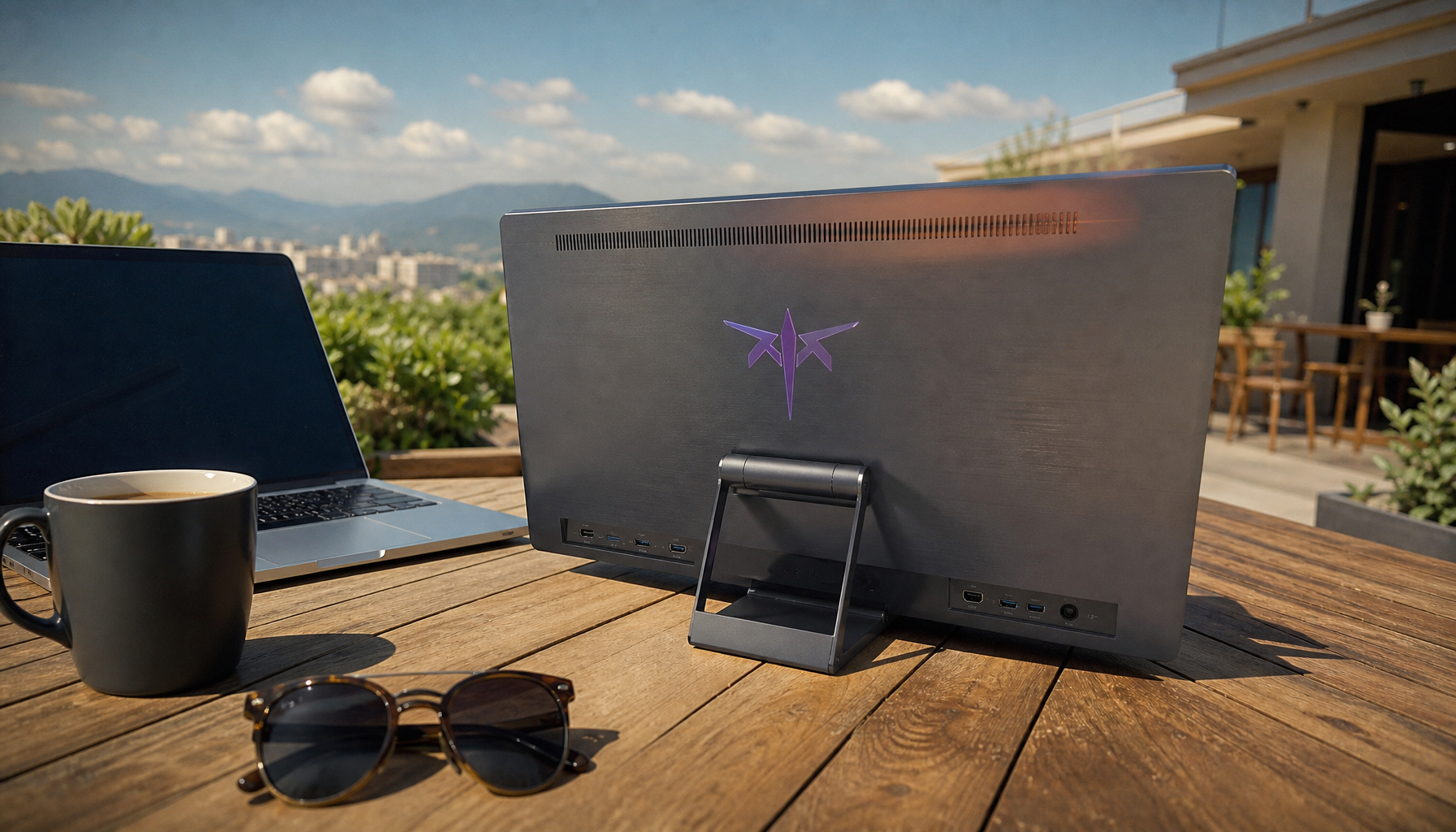
Factory-direct OEM spare parts can extend a monitor’s usable life, but only when the fault is isolated, the part is verified, and the model is actually repair-friendly. This OEM spare parts guide treats component swaps as one bounded option, not a universal fix. Burn-in, broad panel wear, and uncertain compatibility still push many owners toward replacement instead.

Why Factory-Direct Parts Matter
Factory-direct parts change the repair equation because they can keep a monitor in service while you wait out a slow RMA or decide whether a full replacement is worth it. That matters most for owners who already know the model, can identify the failed component, and want to avoid turning a single bad board into a full-screen purchase.
The catch is that “factory-direct” is not a guarantee of compatibility or user-repairability. It only becomes useful when the model supports a realistic component-level fix and the seller can confirm the exact part path. The factory-direct monitor approach is best treated as a transparency advantage: it helps you separate what can be swapped from what should stay in professional hands.
For some owners, that transparency is the whole benefit. It tells you when a board swap is plausible, when a panel problem is still a panel problem, and when waiting for parts would only delay the decision to replace the display.
What Usually Fails First
In real use, a monitor often feels “done” before the panel is truly beyond recovery. Heat, connector wear, intermittent power, and board faults can create symptoms that look like a dead display even when the panel itself still works. That is why the repair path should start with the symptom, not the shopping cart.

Panel Damage and Burn-In
Burn-in and image retention are usually panel-level wear issues, which means a board swap is not a cure by itself. If the artifact is baked into the panel, replacing a scaler or power board may restore power or image control, but it will not erase the retained pattern. That distinction matters most on OLED and other displays that have lived with static UI elements for long periods.
A useful rule of thumb is simple: if the image defect stays in the same place regardless of source or input, treat it as a panel symptom first. If the failure changes with inputs, power cycling, or the menu overlay, the cause may be upstream instead.
Scalers, TCONs, and Main Logic Boards
Board-level problems often look dramatic but can be narrower than they seem. A scaler or main logic board fault may produce no signal, odd scaling, strange color behavior, or a monitor that powers on but never completes the image path. In those cases, a verified replacement can be practical because the fault is isolated to the control chain rather than the whole panel.
That said, an attractive board listing is not enough. A part that “looks right” but does not match revision, connector layout, or firmware expectations can turn a repair into a second failure. The display diagnostics guide is a useful follow-up if you are trying to separate screen symptoms from lighting artifacts before buying anything.
Power Boards, Backlights, and Connectors
Power-board issues, backlight failures, and loose connectors often create the most frustration because they can be intermittent. The monitor may work for a few minutes, flicker, then fail again. That pattern is annoying, but it is also a clue: intermittent behavior often points to heat, cable, or power instability rather than total panel death.
This is where a factory-direct part can make sense if the revision is known and the fault is narrow. It is also where many repairs go wrong, because a loose connector or heat-related problem can be mistaken for a bad replacement board. If the symptom is inconsistent, stop and verify before ordering.
How to Verify a Part Before You Buy
The safest way to shop for an OEM spare parts guide is to start with the exact model and board revision, then compare the visible connector layout and part number. Photos help, but they are only a filter. They do not prove electrical or firmware compatibility.
Use this order of checks:
- Match the monitor model exactly.
- Match the board revision or part number if it is visible.
- Compare connector count, shape, and placement.
- Check whether the listing shows the same mounting points and cable paths.
- Read the return terms and seller support before paying.
- If any one of those details is missing, treat the part as unverified.
That last step matters more than people expect. A missing revision number is not a minor detail; it is often the difference between a valid repair and a very expensive guess.
If you are still deciding whether to stay in the repair lane, the broader All Monitors collection is a safer navigation step than jumping straight to a part listing. If you know you want a gaming-oriented replacement instead of a repair project, the Gaming Monitor collection can help you compare alternatives without pretending every fault is worth fixing.
Repair Workflow Without the Guesswork
DIY monitor work should stay at a high level unless you are following a model-specific service manual. The safe sequence is less about tricks and more about reducing preventable mistakes.
Before any enclosure work, disconnect power and make sure the display is fully discharged. A general electrical-safety reminder from iFixit’s discharge guidance is a good baseline, even though modern monitors are not CRTs. The point is simple: do not open a live or recently energized device casually.
After that, keep the process organized. Label cables, photograph the interior before removal, and sort screws by location. Those steps sound tedious, but they save the most time because reassembly errors usually create new symptoms that look like a bad part.
A good repair attempt also has stop conditions. If you see abnormal heat, smell something sharp, hear new crackling, or get flicker that changes after reassembly, stop and reassess. A monitor repair that keeps getting warmer or noisier is telling you to slow down, not push harder.
If you want to stay within a more complete factory-direct ecosystem, a product like the KTC Mini LED 27" 4K 160Hz HDR1400 Gaming Monitor | M27P6 is best thought of as a replacement-path reference, not proof that every repair should be attempted. Its product page supports a broad warranty, shipping, and return framework, but you should still verify the exact condition and use case before comparing it to a repair project.
When a Replacement Is Worth It
| Scenario | Repair Is Usually More Sensible | Replacement Is Usually More Sensible |
|---|---|---|
| Fault scope | The problem is isolated to one board or connector | The damage is broad or the panel itself is worn |
| Part confidence | The part number, revision, and connector layout all match | The part is unverified or incomplete |
| Risk level | You can work methodically and stop if the test fails | The repair would expose you to too much damage risk |
| Remaining value | The monitor still fits your needs and is worth saving | The monitor’s remaining value is low relative to labor and parts |
| Warranty situation | You have already checked the terms and accept the trade-off | Warranty loss would matter more than the repair gain |
A parts swap makes the most sense when the fault is isolated, the part is verified, and the monitor still fits the way you use your desk. Replacement becomes the smarter call when the damage is wide, the part is uncertain, or the repair would cost more attention than the display is worth.
That decision is especially clear with wear-related panel problems. Burn-in is not something you should expect a board swap to fix, so if that is the main issue, the better answer is often a new display rather than a more complicated teardown.
If you are comparing repair candidates against new displays, the All-Mini-LED Monitors collection can help you judge whether a replacement would be a cleaner long-term move. Mini-LED can be a practical middle ground when you want strong HDR behavior without taking on an OLED-style wear concern.
Finish With a Longevity Check
Before you call the job done, test the monitor in the way you actually plan to use it. Check the active inputs, refresh modes, and brightness settings, then leave it running long enough to reveal flicker, signal loss, or heat buildup. Keep the removed part, board revision note, and seller record. That paperwork can save time if you need another repair later, or if you decide the better move is replacement.
For firmware-related issues that surface after a board swap, cross-reference the 2026 OEM Software Audit: How KTC Solves the Firmware Gap. Owners of OLED panels should also review 2026 OLED Maintenance: Decoding Factory-Direct Firmware Pixel-Shift Logic before final sign-off.