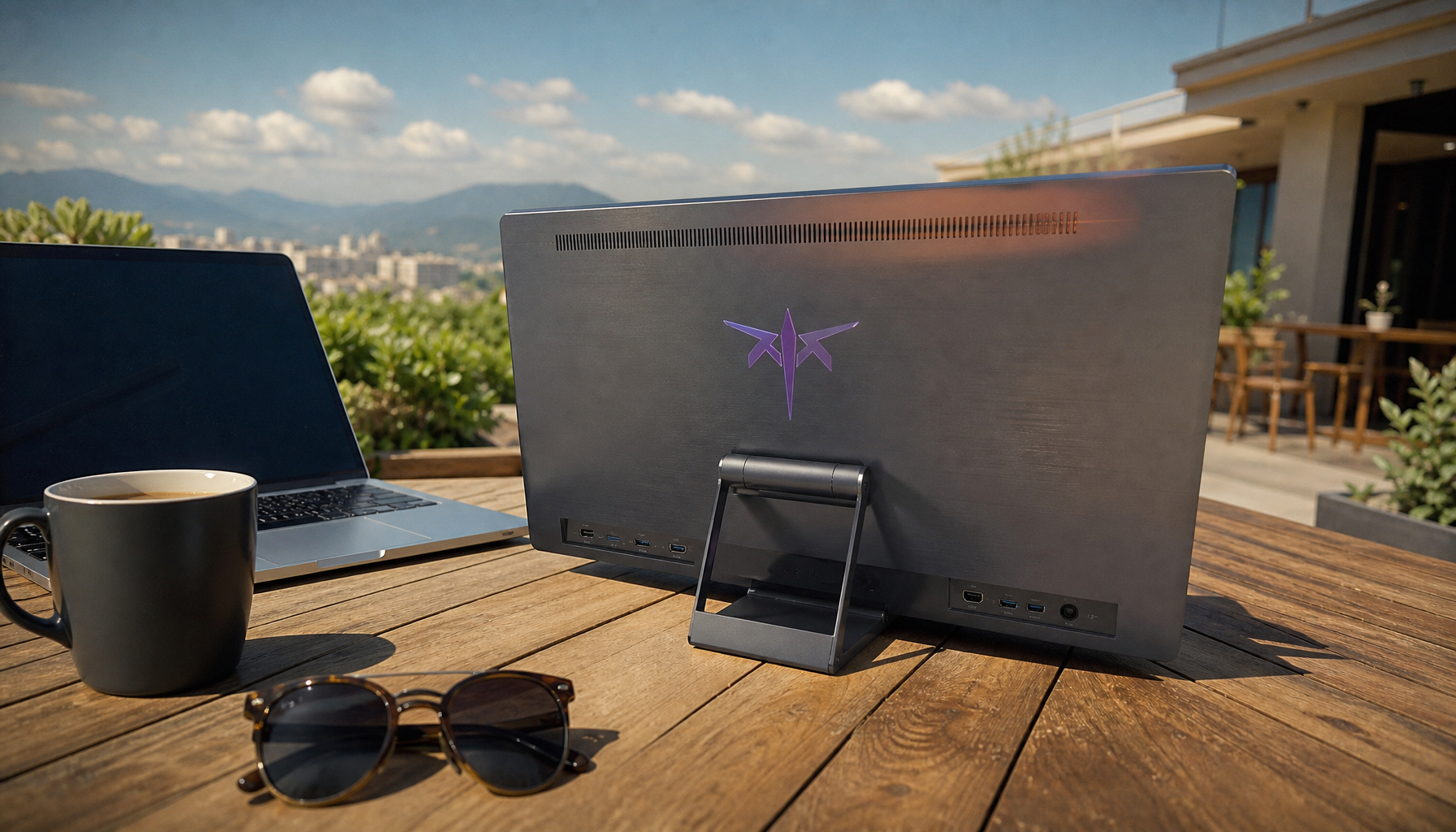
MegPad firmware update guide: the safest approach is to update only when the change matches a real problem, keep power steady during installation, and track behavior afterward. Firmware can fix bugs, but it can also introduce new instability, so owners need a repeatable process instead of blind updates.

Why Firmware Stability Matters
For a rolling Android smart display, firmware is not just a background detail. It can improve app behavior, touch response, or connectivity, but a bad release can also bring crashes, dropped wireless links, or missing features. Android devices commonly receive over-the-air updates, and Android's OTA update flow is built around replacing system software in a controlled way, not around casual experimentation. Modern Android devices (Android 11+) use A/B (seamless) partitions during updates to reduce risk of corruption.
That matters more when the screen moves between rooms, wakes up for video calls, or doubles as a family streaming display. If the device already works well, updating immediately is not always the lowest-risk choice. If you are browsing the category after checking your setup needs, the Mobile Touch Screen collection is the natural place to compare portable smart display options.
A useful decision sentence: if the current build is stable and the changelog does not solve a real issue for you, waiting is often the better move. If the update fixes a visible bug that interrupts daily use, updating sooner can make sense.
What to Check Before Updating
Start with the firmware version you already have. That gives you a baseline if behavior changes later, and it helps support teams compare reports. Then read the update notes and ask one simple question: does this release solve a problem you actually have, or is it just a newer build?
Charge the device or keep it on stable power before you begin. Android's update guidance also stresses avoiding interruption during system updates, because a power drop or forced restart can complicate the process. The safest habit is to treat the update window like a do-not-disturb period, not a time to move the screen around the room or keep streaming heavily.
If the device is already dependable, waiting is a reasonable filter. If you are seeing recurring crashes, networking drops, or app problems, the update deserves more attention because it may be aimed at the issue you are trying to solve.

Confirm the Current Version and Notes
Write down the current firmware version before touching anything. A short note with the date, version, and the issue you are trying to solve gives you a clean comparison point later.
Read the release notes with a practical filter: look for fixes related to booting, touch, Wi-Fi, audio, casting, or app stability. If the notes do not mention anything close to your problem, the update may be worth postponing.
Back Up Settings and App Logins
Back up anything you would hate to rebuild, including Wi-Fi credentials, app sign-ins, and custom settings. That way, if the update changes a preference or you need a reset later, recovery is less annoying.
This does not need to be elaborate. For most owners, a simple list of the apps and accounts you rely on is enough to save time.
Charge Fully and Use a Stable Connection
Keep the screen charged and avoid moving it while the update runs. If the device can stay plugged in, that is usually the safer route.
The point is not speed. It is keeping the update process boring, predictable, and uninterrupted.
Check Whether Waiting Is the Better Option
If the screen is working normally, waiting is often the conservative choice. That is especially true when the update does not fix a daily annoyance, or when early user reports suggest the release is still settling down.
In other words, "available" and "worth installing today" are not the same thing.
The Update Process, Step by Step
- Read the release notes first and confirm the update addresses a real issue you care about.
- Record the current firmware version and the date before you start.
- Keep the device on stable power and avoid interrupting the update.
- Let the device finish its reboot before pressing extra buttons or opening apps.
- Test the basics right away, including touch, Wi-Fi, audio, casting, and sleep or wake behavior.
- Save the new firmware version in your log so the next troubleshooting round has a reference point.
If you want a deeper branch on firmware procedures, the linked support article, manual firmware flashing guide, is useful as a follow-up resource. Use it as a process reference, not as a promise that every device supports the same path.
A practical decision sentence: if you cannot keep the device powered and idle during the update, postpone it. That is better than risking a half-finished install just because the firmware is available.
Rollback and Recovery Options
If an update causes repeated crashes, unstable networking, or missing core functions, treat the new version as the problem first. Do not assume the issue will settle on its own if the behavior is clearly worse than before.
Rollback is the part owners often overestimate. A true firmware rollback may not be available on every release, and it is not safe to assume a device can simply revert because the software changed. A factory reset is different: it can clear local settings, but it does not restore an earlier firmware version.
If you want a product-level support path, the KTC MEGAPAD 32" 4K Android 14 Google EDLA Smart Touch Monitor with 8550mAh Battery page is the official product destination to verify support details and device-specific help. Use it as a support and model reference, not as proof that rollback is guaranteed.
A useful boundary statement: if the update leaves the screen unstable enough that daily use becomes frustrating, stop experimenting and contact support before you keep layering on resets or repeated changes.
How to Track Stability Over Time
The best stability check is repeated everyday use, not the first five minutes after reboot. Test the same tasks each time so you are comparing the firmware, not your mood or room conditions.
A simple log works well: note the firmware version, the date, the task you tested, and whether anything felt slower or less reliable. Common warning signs include longer boot time, Wi-Fi or Bluetooth drops, touch lag, app crashes, casting failures, and sleep or wake weirdness.
The value of the log is pattern detection. One glitch might be random, but the same glitch after every update is a real signal. The goal is to tell whether the firmware is becoming more stable, less stable, or simply different.
| Stability signal | What To Test | What Counts As A Warning | What To Log |
|---|---|---|---|
| Boot behavior | Start the device from a full power-off state | Slow startup, boot loop, or repeated restarts | Version, date, and startup time feel |
| Wi-Fi and Bluetooth | Connect to your usual network and accessory | Drops, failed pairing, or unstable reconnects | Network name, accessory, and issue pattern |
| Touch input | Open the same app and use the same gestures | Lag, missed taps, or uneven response | App name and what changed |
| Audio | Play the same video or call test | No sound, distortion, or volume glitches | Source app and output behavior |
| App loading | Open your most-used apps | Crashes, freezes, or missing features | Which app failed and when |
| Casting | Mirror from the same source device | Discovery problems or dropped sessions | Source device and casting mode |
| Sleep and wake | Put the screen to sleep and wake it again | Unexpected wake-ups or failed wake events | How often the issue repeats |
For readers who also want a broader browsing path while comparing categories, the Smart Monitor collection is a practical category page. It is a browsing shortcut, not a substitute for checking firmware behavior on the exact unit you own.
When to Update and When to Wait
Update sooner when the release clearly fixes a bug that affects daily use. If the problem is real and the update targets it, delay can cost more time than the install itself.
Wait when the device is behaving well and the changelog does not match a problem you actually have. In that case, the safest choice is often to leave the current build alone and keep watching for stability reports.
Be extra cautious right after a major release if early users are reporting crashes, networking issues, or feature loss. That early warning matters most when the screen is used for family viewing, work calls, or room-to-room movement, because instability is more disruptive in shared setups.
| Situation | Better Move | Why It Matters |
|---|---|---|
| Stable daily use and no matching bug | Wait | You avoid changing a setup that already works |
| Update fixes a real daily problem | Update | The release may remove the issue you keep seeing |
| Early reports show instability | Wait and watch | You reduce the chance of becoming an early failure case |
| You cannot keep power stable | Wait | Interrupted installs are the risk you can control |
| Recovery path is unclear | Check support first | You want the exit plan before taking the risk |
| Condition | Install now | Wait | Check support first |
|---|---|---|---|
| Stable daily use | Likely fit | Often the safer choice | If you want a recovery path before changing anything |
| Unstable behavior after update | If the new build fixes the issue | Reasonable while reports settle | Helpful if problems persist |
| Power may be interrupted | Not a fit | Better to postpone | Best until power is stable |
| Rollback not available / factory reset would be required | Only if the release matters | Low urgency to change | Prefer to verify support options first |
Related Resources
- Why Your Portable Touch Screen Stops Responding After 30 Minutes and How to Fix It
- Portable Smart Display Buying Guide: Screen Size, Battery, Apps, and Ports
FAQs
Q1. How Do I Know If a MegPad Firmware Update Is Safe to Install?
Check the release notes, confirm the version change is aimed at a real problem you have, and make sure you can keep the device powered during the process. If the screen is already stable and the update is just newer, waiting is often the lower-risk choice.
Q2. What Should I Do If the Update Causes Crashes or Wi-Fi Drops?
Stop making more changes, record the firmware version, and test the same core functions again. If the problem clearly started after the update and continues, contact support instead of stacking resets and repeated attempts.
Q3. Can I Roll Back to an Earlier Firmware Version?
Maybe, but you should never assume it is available. Rollback depends on the device and the release, and a factory reset is not the same thing as going back to an earlier firmware build. Verify recovery options before you update.
Q4. Why Should I Track Firmware Versions Separately?
Version tracking helps connect a specific build to a specific behavior change. Without it, you end up guessing whether a crash, delay, or connection drop started with the update or was already there. A simple log saves time later.
Q5. What Functions Should I Test After an Update?
Test boot behavior, Wi-Fi, Bluetooth, touch, audio, app loading, casting, and sleep or wake behavior. Use the same apps and tasks each time so your comparison stays consistent. One first impression is not enough to judge stability.
Keep the Stable Version Until the Update Earns It
The safest MegPad firmware update guide is the one that treats firmware like a decision, not a reflex. Update when the release clearly solves a problem you have, wait when the device is already stable, and check support first if recovery options are unclear. That approach keeps the screen usable while still leaving room for improvements when they are worth the risk.