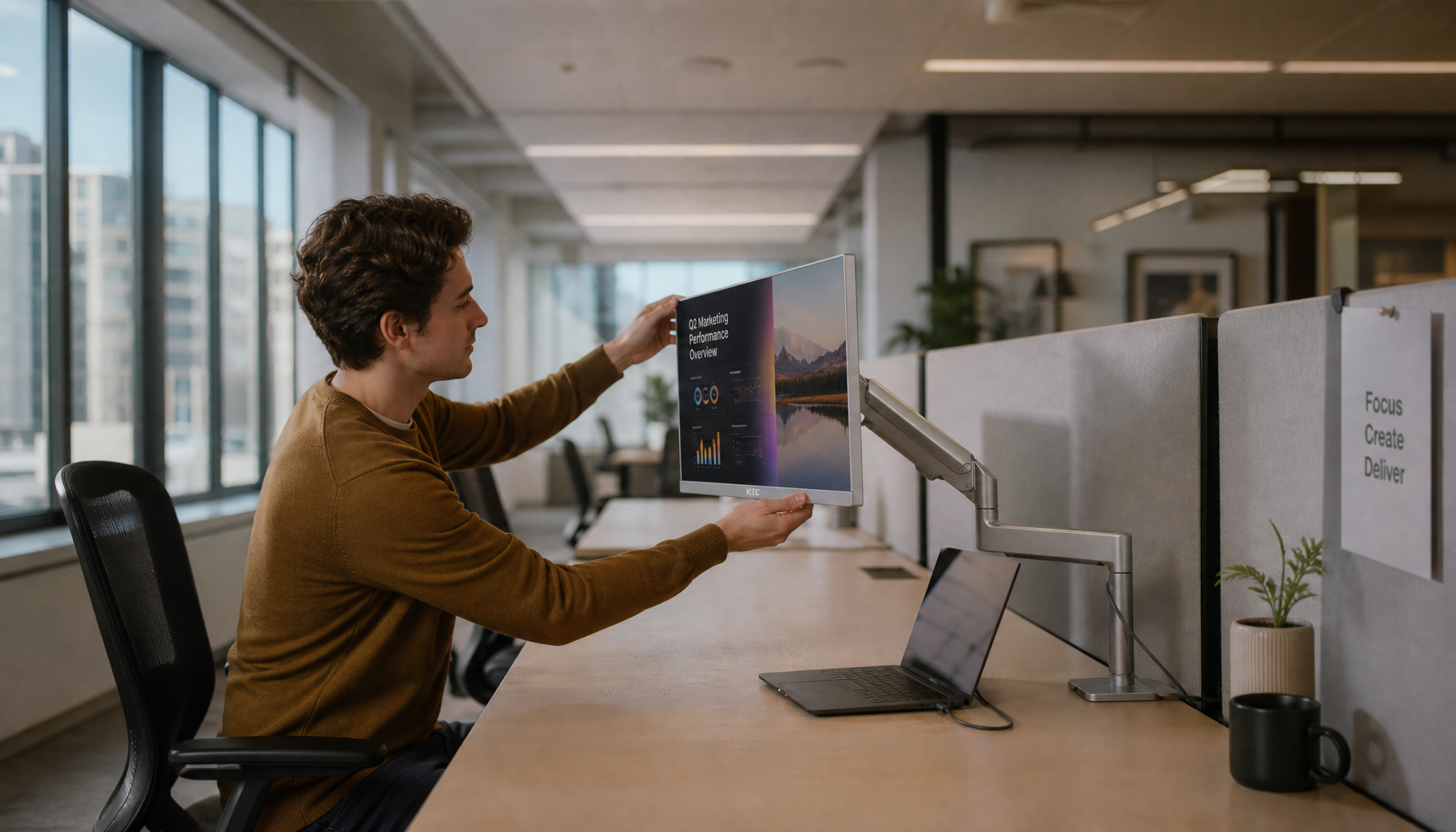
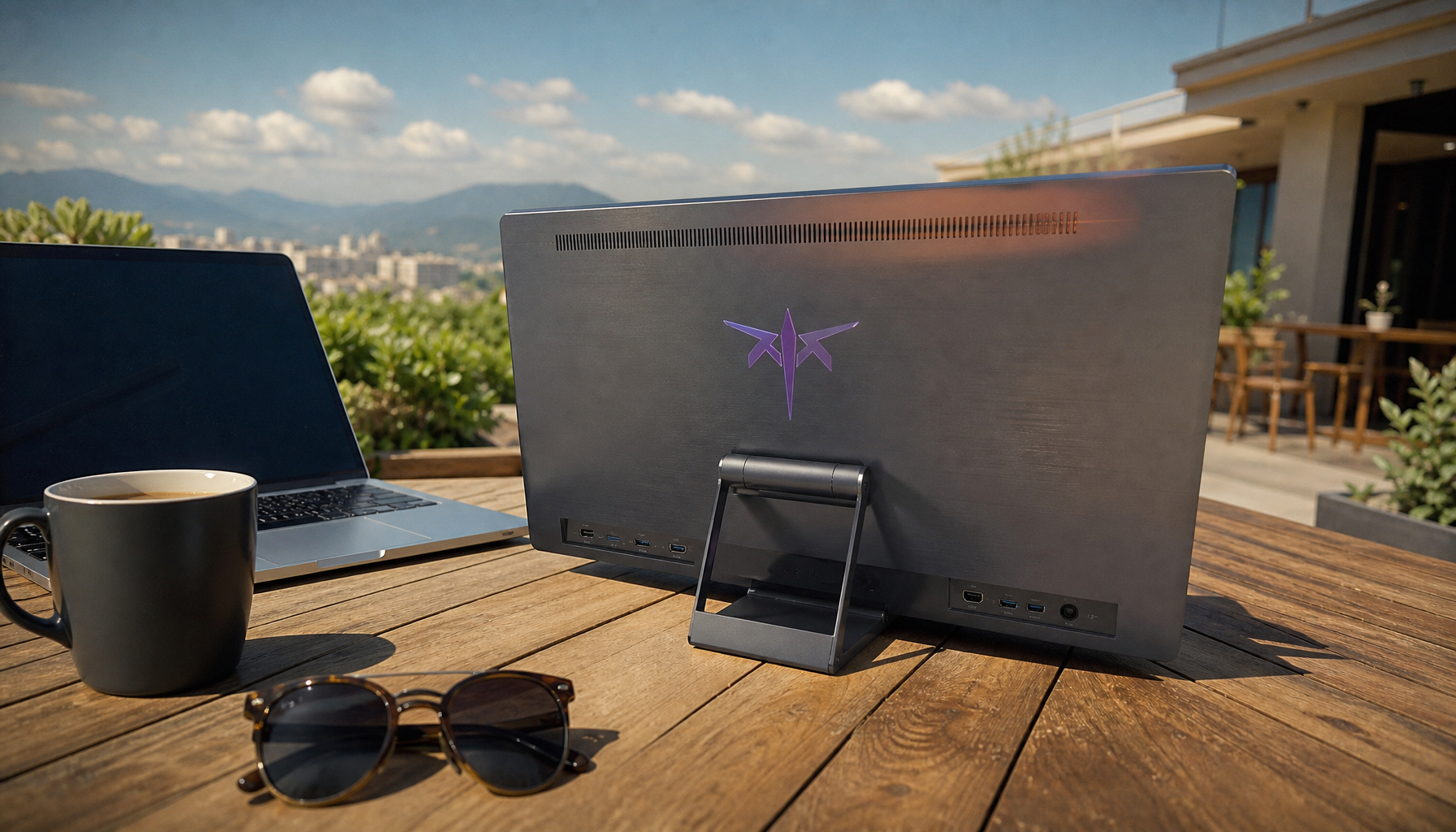
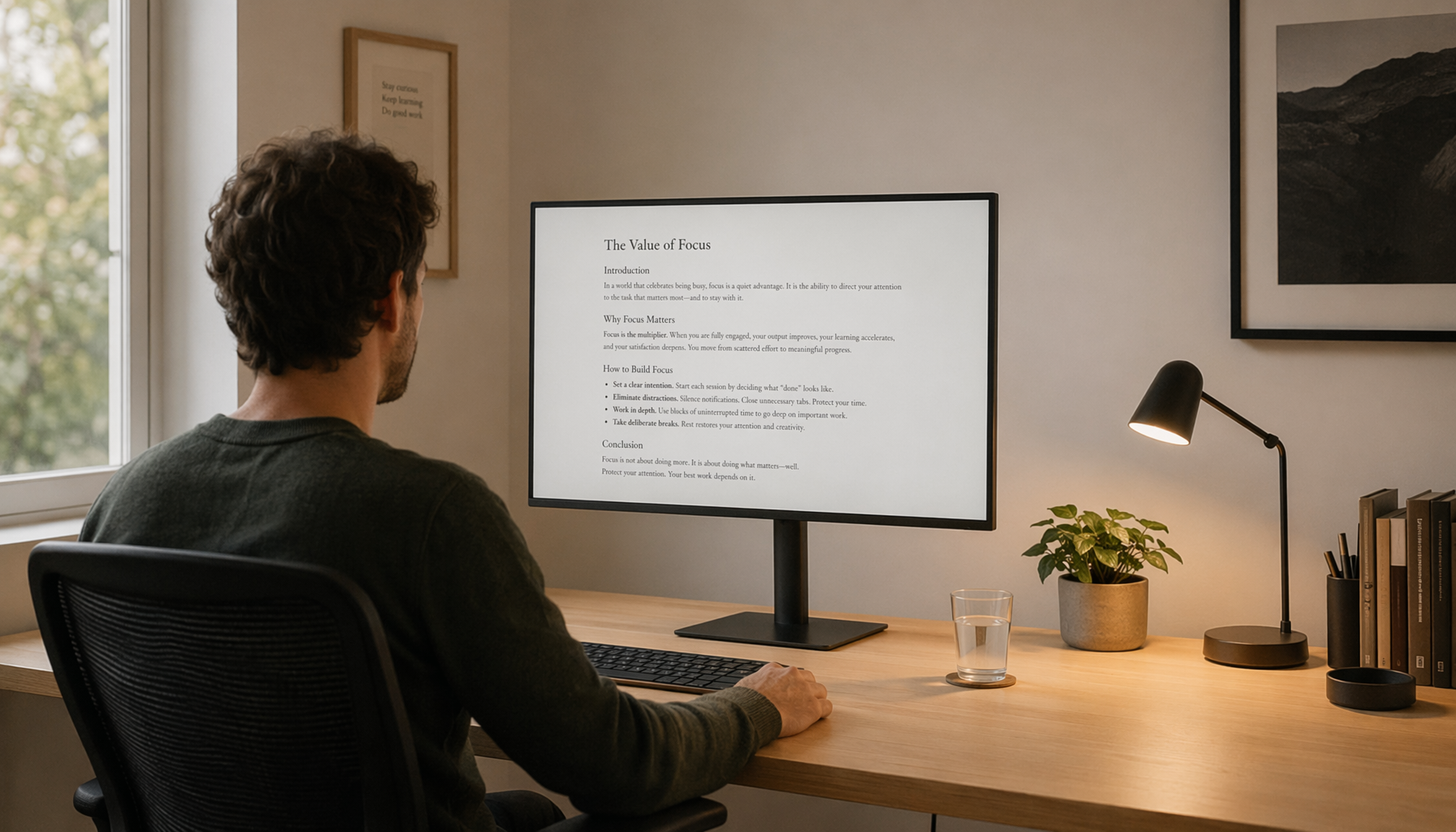
Protecting the specialized oleophobic coating on your 32-inch touch panel is essential for maintaining smooth touch response and crystal-clear visuals over years of use. The coating repels skin oils to reduce fingerprints, but common household cleaners and improper techniques can strip it permanently, turning an easy-to-clean surface into a smudge magnet. For owners of large-format smart monitors like the MEGAPAD, following a safe routine prevents damage, avoids streaks on matte finishes, and preserves the premium feel without risking warranty issues.

Why Protecting Your 32-Inch Touch Panel Coating Matters
The oleophobic coating on your touchscreen is a thin microscopic layer that repels oils from fingers and reduces surface friction, making gestures feel smoother and fingerprints easier to remove, as explained in this guide to oleophobic coatings. On a 32-inch panel that serves as a shared family hub or office display, this coating sees frequent contact, so once it wears off, smudges build up faster and touch sensitivity can decline over time.
Proper care extends the display's usable life and keeps the out-of-the-box clarity intact. Without it, you may find yourself cleaning more often with diminishing results. For more on handling fingerprints specifically on touch-enabled displays, see our companion article on how to remove fingerprints from touch-enabled portable displays without damaging the digitizer.
Essential Tools for Safe Touchscreen Maintenance
Only lint-free, high-pile microfiber cloths should touch the screen surface, as industry standards for IT equipment cleaning recommend them to lift debris without causing micro-scratches (SIU cleaning guidelines). These cloths are soft enough for coated surfaces yet effective at capturing oils and dust.
Distilled water serves as the safest solvent because it lacks the minerals in tap water that can leave hazy streaks after drying. Avoid paper towels, tissues, or abrasive sponges entirely—these are the leading causes of scratches on large panels. For related advice on portable models, review how to clean a portable touch screen without damaging the capacitive layer.
Step-by-Step Guide to Cleaning Large-Format Panels
Always power down and unplug the monitor first. This makes smudges more visible under ambient light and eliminates any risk of electrical issues during cleaning.
Divide the 32-inch surface into four quadrants. This quadrant method ensures you clean uniformly before any area dries and streaks, which is particularly important on larger vertical panels where drying times vary.
Mist or dampen the microfiber cloth with distilled water—never spray liquid directly onto the panel. On a screen this size, gravity pulls any excess moisture toward the bottom bezel faster than on smaller devices, increasing the chance of seepage into seals or electronics.
Use light, overlapping circular motions within each quadrant to lift oils rather than pushing them around. Work from top to bottom and buff dry with a fresh section of the cloth.
Why a 32-inch Screen Needs a Different Cleaning Method
Tiered comparison of cleaning risks and control needs for a large vertical panel versus smaller devices.
View chart data
| Category | Liquid Travel Speed | Bezel Seepage Risk | Pressure Uniformity |
|---|---|---|---|
| 32-inch screen | 3.0 | 3.0 | 1.0 |
| Tablet | 2.0 | 2.0 | 2.0 |
| Phone | 1.0 | 1.0 | 3.0 |
This chart helps visualize why a 32-inch vertical panel requires more careful liquid management and quadrant-based cleaning than a phone or tablet.
Avoiding the 'Burnish': Protecting Matte and Anti-Glare Finishes
Matte and anti-glare finishes use microscopic surface textures to diffuse light and reduce reflections. These textures are far more sensitive to friction than glossy glass. Excessive pressure or repeated dry scrubbing in one spot can permanently polish the texture, creating shiny “burnished” patches that ruin the anti-glare benefit.
Follow the three-pass rule: if a smudge does not lift after three gentle dry passes with microfiber, add a hint of distilled water to the cloth rather than pressing harder. This lubrication prevents grinding dust into the coating. Matte surfaces can also trap minerals from tap water more easily, so distilled water remains the safer choice for long-term clarity.
Common Cleaning Mistakes That Shorten Screen Life
Alcohol and ammonia-based cleaners are the leading cause of coating failure. These chemicals strip the oleophobic layer, after which fingerprints adhere more stubbornly and touch response may degrade, as noted by tech experts discussing safe device cleaning (The Conversation article).
Increasing pressure to remove stubborn marks only grinds particles into the surface. Likewise, using tap water or soapy solutions often leaves a cloudy mineral film that lowers contrast and tempts further scrubbing. In shared spaces, these mistakes accelerate the “coating death spiral” where the screen becomes harder to keep clean.
Establishing a Maintenance Routine for Shared Smart Hubs
For daily use in kitchens, offices, or family rooms, start with a quick dry microfiber buff to remove fresh prints. Reserve a deeper clean with lightly dampened cloth once or twice weekly. This dry-first approach balances hygiene needs with coating longevity.
Focus sanitizing wipes on the frame, stand, and edges rather than the active touch area. When hands are messy, use the KTC remote control for touch mobile monitor to navigate without touching the screen. Store the monitor in a low-dust environment and consider the broader mobile touch screen collection for additional devices that may share the same care needs.
Consistent light maintenance prevents buildup and reduces how often you need to clean deeply. Check the screen under different lighting once a month to catch early haze or wear before it becomes obvious.
Frequently Asked Questions
Can I Use Disinfectant Wipes on My 32-Inch Touch Panel?
Disinfectant wipes usually contain alcohol or other chemicals that strip oleophobic coatings. Reserve them for the frame and stand only; use a dry or distilled-water-dampened microfiber cloth exclusively on the screen surface.
Is Tap Water Safe for Cleaning a Touchscreen Monitor?
Tap water may leave mineral streaks or haze that are hard to remove later. Distilled or demineralized water is the preferred guideline to avoid these issues on large matte panels.
How Often Should I Clean a Shared Touchscreen in a High-Traffic Area?
Perform a quick dry buff daily or after heavy use, and a deeper damp clean weekly. More frequent deep cleaning with liquids can wear the coating faster than the dust itself.
Can Matte Screen Burnish Be Fixed?
Burnishing creates a permanent change to the surface texture. Once shiny spots appear, the anti-glare property cannot be restored without professional refinishing, which is rarely practical for large panels.
What Should I Do If Liquid Accidentally Gets Into the Bezel?
Power off immediately, wipe away visible moisture, and allow the unit to dry fully in a well-ventilated area for at least 24 hours before attempting to use it again. Avoid heat sources that could drive moisture deeper.