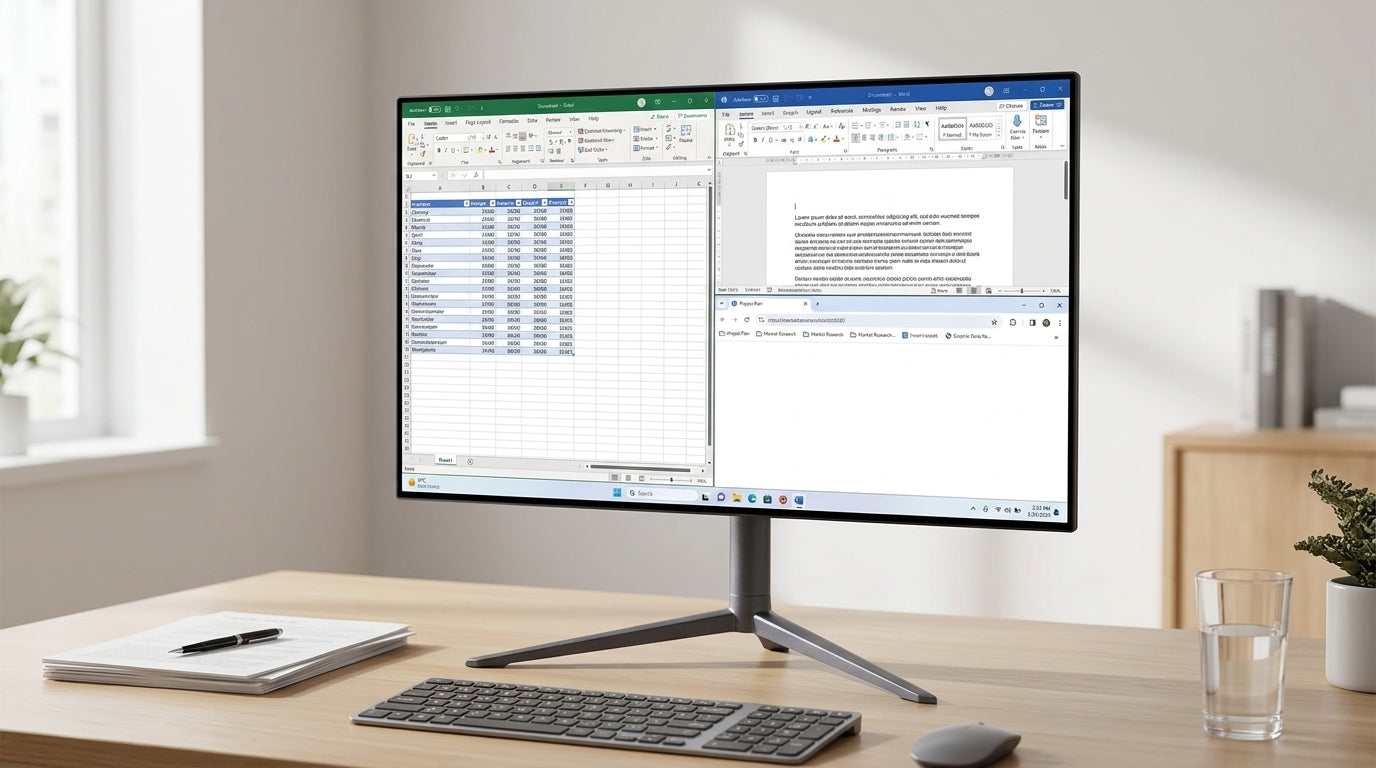
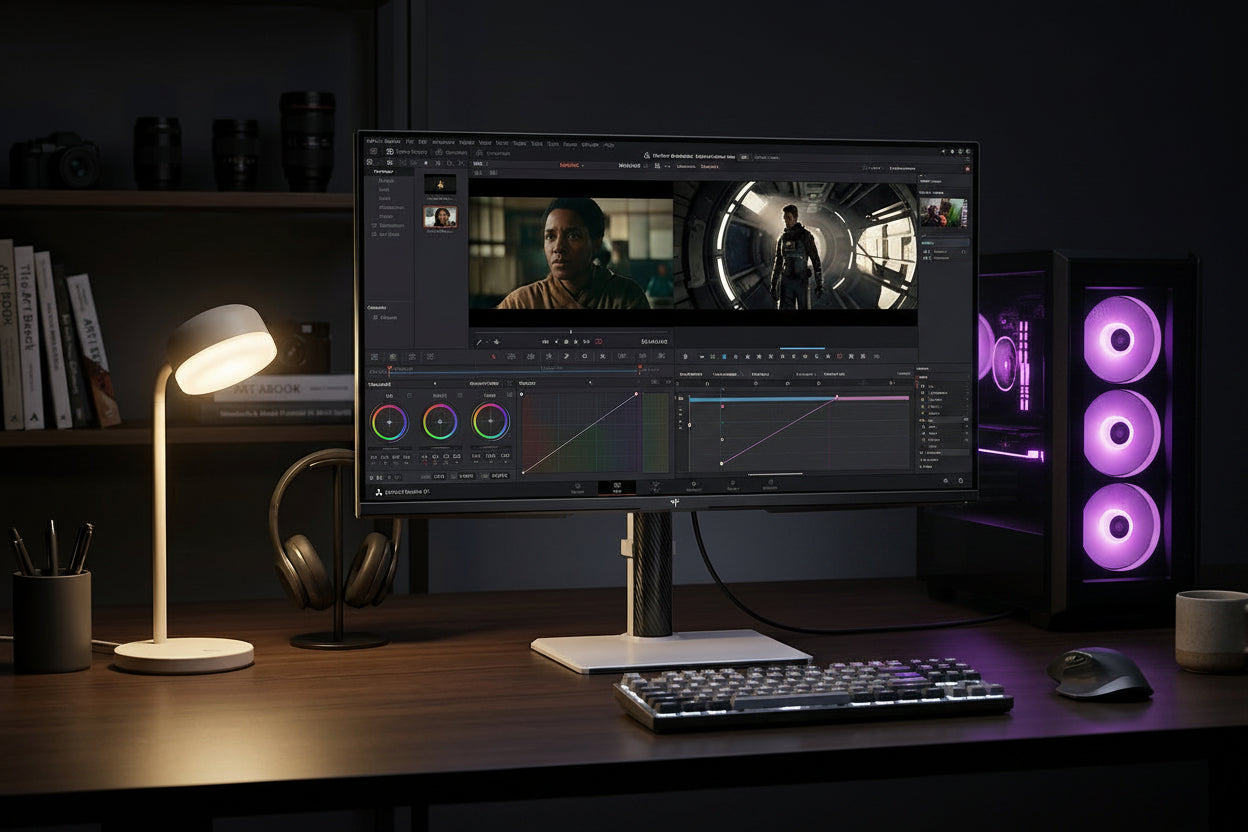
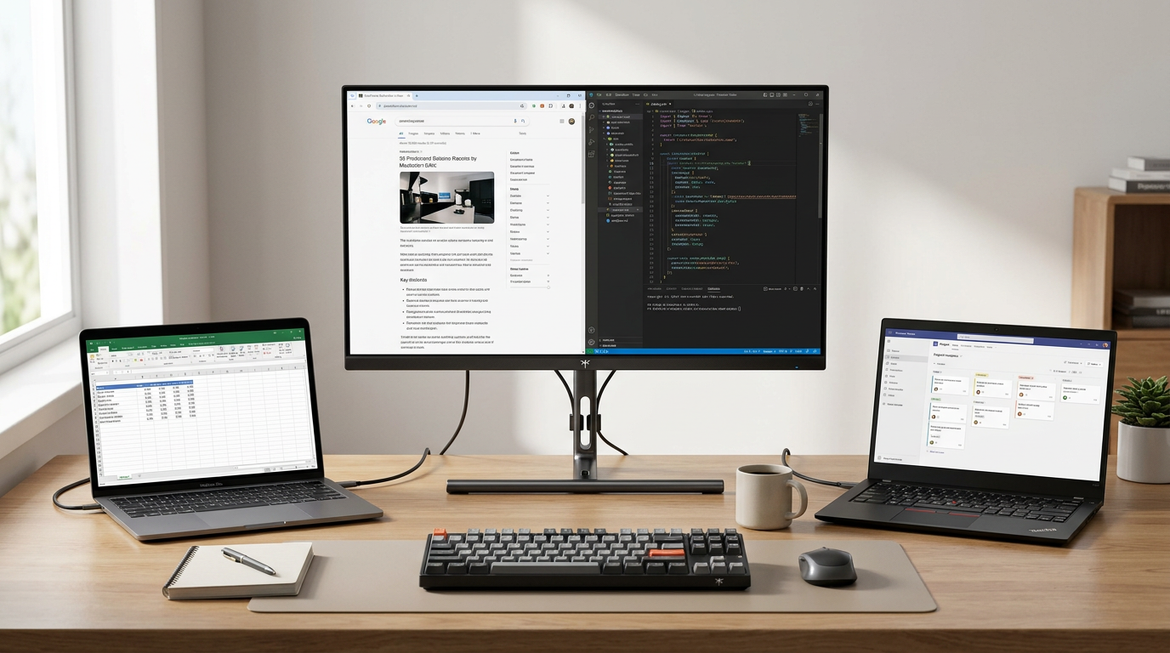
A rolling smart display whole home setup makes sense when one screen needs to move with household routines, not sit in one permanent spot. It can act like a hub-like shared display for planning, calls, streaming, and quick household coordination, but it is not a universal replacement for every TV, tablet, or monitor. If your home needs one screen to follow the day from room to room, this form factor is worth a close look.

When a Rolling Display Makes Sense
The clearest fit is a home where the same screen gets used in different places at different times. That is where the phrase what a smart home hub does matters: the useful part is centralized access and coordination, not magical control of every device in every ecosystem. A rolling smart display can fill that role in a narrower, more practical way, especially when you want a shared screen that moves between the kitchen, living room, and home office.
For most households, the best signal is simple. If one person uses a screen for recipe lookup in the morning, another wants a quick video call later, and someone else needs a streaming or presentation screen after that, a rolling smart display is a strong candidate. If the screen will mostly stay in one spot, a fixed TV or monitor is usually the cleaner buy.
The megpad as home hub idea works only when you keep the boundary in mind: it is a hub-like display for household routines, not a universal smart-home backbone. In other words, the value comes from mobility plus app-based usefulness, not from assuming it can replace every dedicated controller.
A rolling smart display whole home setup is also the kind of purchase where convenience has to be earned. If you do not actually plan to move it, the wheels add little value and just increase cost and bulk. If you do move it often, the gain is real because one screen can follow the room that needs it most.
Explore the multi-room display setup if you want a broader look at moving one screen between spaces during the day.
Everyday Whole-Home Scenarios
In real use, the strongest case for mobile smart display multi room living is not one dramatic use case. It is a set of small tasks that become easier when the screen can travel with the household. The field-review framing of room-to-room household use matches that idea well: these displays are often niche, but effective when movement is part of the routine.
Morning Routine Hub
A rolling screen can handle calendar checks, weather, recipes, and quick planning in the kitchen or an open living area. That works best when you want a larger screen than a phone but do not want a second permanent display in the room. After breakfast, the same screen can roll out of the way instead of staying on the counter.
Shared Family Screen
For families, the screen can rotate between homework, entertainment, and quick lookups. That only works well when different people use it at different times, because simultaneous use pushes you back toward a fixed TV or a laptop. The benefit is flexibility, not dominance over every other device in the house.
Flexible Work and Calls
A rolling display can move from a daytime work surface to a shared room later in the day. That makes sense for video calls, document viewing, and light presentation use, especially in homes where the "office" is temporary. The gain is convenience and repositioning, not desktop-monitor specialization.
Entertainment in Transition
Streaming, sports, and tutorial viewing can move with the household from one space to another. This is useful when the goal is temporary shared viewing, not a permanent theater setup. If the room changes often, the ability to roll the screen matters more than the idea of a fixed entertainment center.

What Setup Details Matter Most
The biggest setup question is whether the screen feels easy to move without feeling flimsy. Wheels and a rolling base only help if the stand stays stable, the turning path is manageable, and the cables do not turn every move into a small project. That is why Android-based smart displays are often discussed as oversized tablets with app support for streaming, calls, and productivity, rather than as traditional monitors alone Android-based smart displays as app-driven household screens.
Mobility and Stability
Check the wheelbase, stand balance, and how much effort it takes to move the unit between rooms. A good rolling smart display should feel easy to reposition, but not so light that it feels unstable near kids, pets, or crowded furniture. If you will move it over thresholds or rugs, that friction matters more than it looks in product photos.
Power and Battery Planning
Battery support matters most when you want true room-to-room convenience. The 27-inch MEGAPAD includes a 9500mAh battery with up to 6 hours of runtime, while the 32-inch MEGAPAD is listed with a 9500mAh battery and longer stated runtime on its product page. That makes battery less about nonstop unplugged use and more about whether the screen can move without hunting for a wall outlet every time.
Viewing Comfort and Touch Use
Screen size, brightness, and angle control affect whether the display feels comfortable for a group. A larger panel can help when several people need to read the same content, while touch interaction matters when you want direct control instead of pairing a separate input device. On the 32-inch model, anti-glare treatment and low blue light are useful comfort signals for shared household use, but they still do not guarantee every room will feel equally good.
Apps, Inputs, and Household Compatibility
The most important compatibility check is whether the display supports the apps and inputs your household actually uses. If you want streaming, video calls, reading, or projection from a laptop, confirm that the workflow is supported before you buy. The Android 14 and Google EDLA layer on the 27-inch model, and the Android 13 and Google EDLA layer on the 32-inch model, help define the software role, but they do not make every household app problem disappear.
If you want to compare the two sizes as mobile, app-driven household screens, browse the 27-inch mobile touch display or the 32-inch 4K mobile display.
| Scenario | 27-inch MEGAPAD | 32-inch MEGAPAD |
|---|---|---|
| Wheelbase and maneuverability | Strong fit for moving between rooms | Strong fit for moving between rooms |
| Battery/runtime | Good if you need shorter unplugged sessions | Better if you want more battery room in daily use |
| Screen size and shared visibility | Easier to fit in tighter spaces | Better for group viewing and shared reading |
| Android and app/input support | Good for streaming, calls, and light coordination | Good for streaming, calls, and light coordination |
How It Compares With Fixed Screens
A rolling smart display is more useful than a fixed screen when movement is part of the value. It is less useful when the screen has one job and one location. The comparison source on mobility and permanence trade-offs points to the same basic rule: mobile screens add flexibility, while fixed screens stay simpler for permanent placements.
| Screen Type | Best For | Main Strength | Main Trade-Off |
|---|---|---|---|
| Rolling smart display | Shared homes, room-to-room routines, temporary work or media setups | Moves where the household needs it | More setup and power planning than a fixed screen |
| Fixed TV | Living rooms and permanent entertainment walls | Simple, stable, and large | Not useful when the screen needs to travel |
| Tablet | Personal use and quick grab-and-go tasks | Portable and familiar | Small for shared viewing and not ideal for whole-room use |
| Desktop monitor | Desk work and stationary productivity | Clean, focused workspace | Tied to one location and one primary user |
The right choice flips when the household use changes. If the screen is shared and relocated often, a rolling display usually wins. If the screen is personal, desk-bound, or permanent, a fixed TV, tablet, or monitor is the better fit.
If you are comparing a mobile display against a wall-mounted control point, the mobile display vs wall tablet conversation is useful only if your home actually needs flexible placement.
Which Whole-Home Buyer It Fits
- Strong fit: households that share one screen across the kitchen, living room, and home office.
- Strong fit: mixed-use buyers who want a screen for calls, streaming, reading, and planning without dedicating a wall space.
- Strong fit: families that move through a day in stages and want one display to follow the routine.
- Borderline fit: buyers who like the idea of mobility but rarely move the screen in practice.
- Borderline fit: users who want a smart display mainly for one ecosystem feature and not for room-to-room use.
- Better alternative: anyone who wants a permanent theater screen, a fixed desk monitor, or a small personal device.
- Better alternative: buyers expecting a universal smart-home backbone instead of a flexible shared display.
If your home sounds like the first three bullets, the rolling smart display whole home idea is worth comparing seriously. If your setup sounds like the last two, you will probably be happier with a fixed screen category.
Browse the mobile touch screen range if you want to compare the whole category instead of jumping straight to one model.
Setup Checks Before You Buy
- Measure the rooms where the screen will move and make sure it has a realistic path through doors, rugs, and furniture.
- Check outlet access in the rooms you will use most, so the screen does not become inconvenient the moment the battery runs down.
- Confirm whether you need battery-first use, wall power, or both.
- Verify app support, casting, HDMI or USB-C needs, and any ecosystem requirement before checkout.
- Review the warranty, return policy, and shipping terms so the buying path is clear.
- Choose the size based on how many people will read the screen at once and how often it will be shared.
If you want a specific product path, check the current details on the 27-inch MEGAPAD or the 32-inch MEGAPAD before ordering. That is the safest way to avoid a mismatch between your rooms, your routines, and the screen you bring home.
Final Takeaway
A rolling smart display whole home setup is best when one screen needs to move with the household and support different tasks in different rooms. It is less compelling when the screen has one permanent job or one fixed location. If your routine includes shared viewing, quick calls, planning, and occasional light work, this category can make real sense. If you are close to buying, compare the room layout, power needs, and app support first, then choose the size that matches your home.
FAQs
How Do I Know If a Rolling Smart Display Fits My Home?
It is usually a good fit if the same screen will be used in more than one room and by more than one person during the day. If the display will mostly stay parked in one place, the mobility premium is harder to justify.
Can a Rolling Smart Display Replace a TV or Tablet?
It can cover some of the same jobs, but only in the right setting. It is closest to a shared convenience screen, not a universal replacement. A TV still wins for permanent living-room viewing, and a tablet still wins for personal grab-and-go use.
What Should I Check Before Buying for Multi-Room Use?
Start with the movement path, then check power access, battery behavior, app support, and stand stability. If any of those pieces is awkward, the whole-home experience can feel clunky even if the screen itself looks appealing.
Why Does Battery Life Matter So Much in a Whole-Home Setup?
Battery support matters because it reduces how often the screen is tied to one outlet. That said, runtime depends on brightness, volume, and what you are doing, so the useful question is whether the battery makes movement easier in your actual routine.
Can One Mobile Screen Work for Both Family Use and Work Calls?
Yes, when the household only needs one screen at a time and the apps or inputs match the task. That mixed-use pattern is one of the strongest reasons to consider this category, especially in homes where a temporary workspace has to disappear after work hours.