A rolling smart display can be a practical apartment choice when you want one larger screen to move between rooms without wall mounting or a permanent desk setup. It is usually less about luxury and more about layout: bedroom, living room, kitchen, and work corner all compete for the same floor space.

For renters and small-space homeowners, the value is convenience, not magic. A mobile screen can replace a fixed TV in one room, then roll to another room when your routine changes. That is why a rolling smart display apartment search is really a question about flexibility, parking space, and how often you expect the display to move.
Why Rolling Matters in Small Spaces
Small homes force trade-offs. A fixed TV stand, a wall mount, or a large desk can dominate the room even before you add cables, accessories, or storage. By contrast, slim pillar-style stands can help free up floor space, and that matters when every square foot has a job.
Mobility matters most when the screen is not tied to one routine. A room-to-room smart display can support streaming in the bedroom, a call in the kitchen, or a quick work session near the couch. That does not mean you will move it every hour. It means you get one screen that can follow the day instead of dictating the room.
A useful rule of thumb is simple: if a display only ever stays in one spot, mobility adds less value. If your apartment layout changes by time of day or by task, a rolling smart display becomes much easier to justify.
Rolling Setups Versus Fixed Options
For renters, the biggest question is usually commitment versus flexibility. Portable floor stands and rolling mounts can deliver the elevated look of a mounted screen without wall modifications or stud access. That is a real advantage when you cannot, or do not want to, make permanent changes.
| Option | Renter Friendliness | Mobility | Footprint | Setup Effort | Viewing Size | Best Fit |
|---|---|---|---|---|---|---|
| Rolling smart display | Strong | Strong | Moderate | Moderate | Large | Renters who want room-to-room flexibility |
| Wall mount | Moderate to weak | Weak | Strong | Higher | Large | Permanent setups with allowed wall installation |
| Fixed stand | Moderate | Weak | Moderate | Low | Large | Simple single-room use |
| Tablet / desk monitor | Strong | Strong | Strong | Low | Small | Personal viewing and light tasks |
The trade-off is easy to miss. Wall mounts save surface space, but they often ask for permission, tools, and a room plan that will not change. Tablets and small monitors are easy to move, but they usually shrink the viewing experience. A rolling smart display sits in the middle: more flexible than a mount, larger than a tablet, and usually less committed than a fixed installation.
If your room already works and you just want a screen, fixed is often simpler. If you want one screen to serve several spaces, the rolling option usually makes more sense. That is why the best choice flips based on how often the screen needs to move.
Features That Matter Most in Apartments
The best apartment setup is not the flashiest one. It is the one that fits the room, the path between rooms, and the way you actually watch or work. Start with footprint, then mobility, then height, because those are the factors that usually create regret.
For ergonomics, the top of the monitor should be at or slightly below eye level. In plain terms, you should not have to crane your neck up to see the screen comfortably. That matters in a bedroom, on a couch, or at a kitchen counter where your posture changes throughout the day.
Footprint and Mobility
Cart width, base size, and turning clearance matter more in apartments than many buyers expect. Hallways, tight corners, and furniture legs can turn an easy roll into a daily annoyance. Lockable wheels are worth checking because movement is only helpful if the screen stays put once parked.
Power, Battery, and Cable Reach
Battery power can reduce dependence on nearby outlets, but it does not erase charging or brightness trade-offs. In a small apartment, the real question is whether the display can sit where you want it without awkward cords crossing walkways. If the parking spot is far from outlets, battery flexibility matters more.
Height, Tilt, and Viewing Comfort
Height adjustment is one of the most practical features for shared spaces. A screen that works from the couch may feel too low from a bed or standing position. Tilt and rotation help you fine-tune the view without rearranging the whole room, which is useful when the same screen moves between rooms.
Apps, Touch, and Daily Use
Built-in apps and touch support can reduce device clutter, which is valuable in apartments where extra boxes and cables add friction. Still, app availability and sign-in flow should be checked before buying, especially if you expect a portable smart display for bedroom living room use to handle streaming without another device attached. Speakers, ports, and camera support are helpful when they match your actual routine, not because they sound impressive on a spec sheet.

A few practical checks make the difference between a clever purchase and an awkward one. First, think about where the display will live when it is not in use. Second, think about whether the base can fit around the furniture you already own. Third, think about who will move it and how often. A rolling smart display is only convenient if the movement feels easy, predictable, and safe in your actual layout.
When the KTC MEGAPAD 32-Inch Fits
The featured example here is the KTC MEGAPAD 32-inch. It is not a universal answer, but it does match the kind of apartment use case where one screen needs to move between rooms, support touch, and stay useful without a permanent mount.
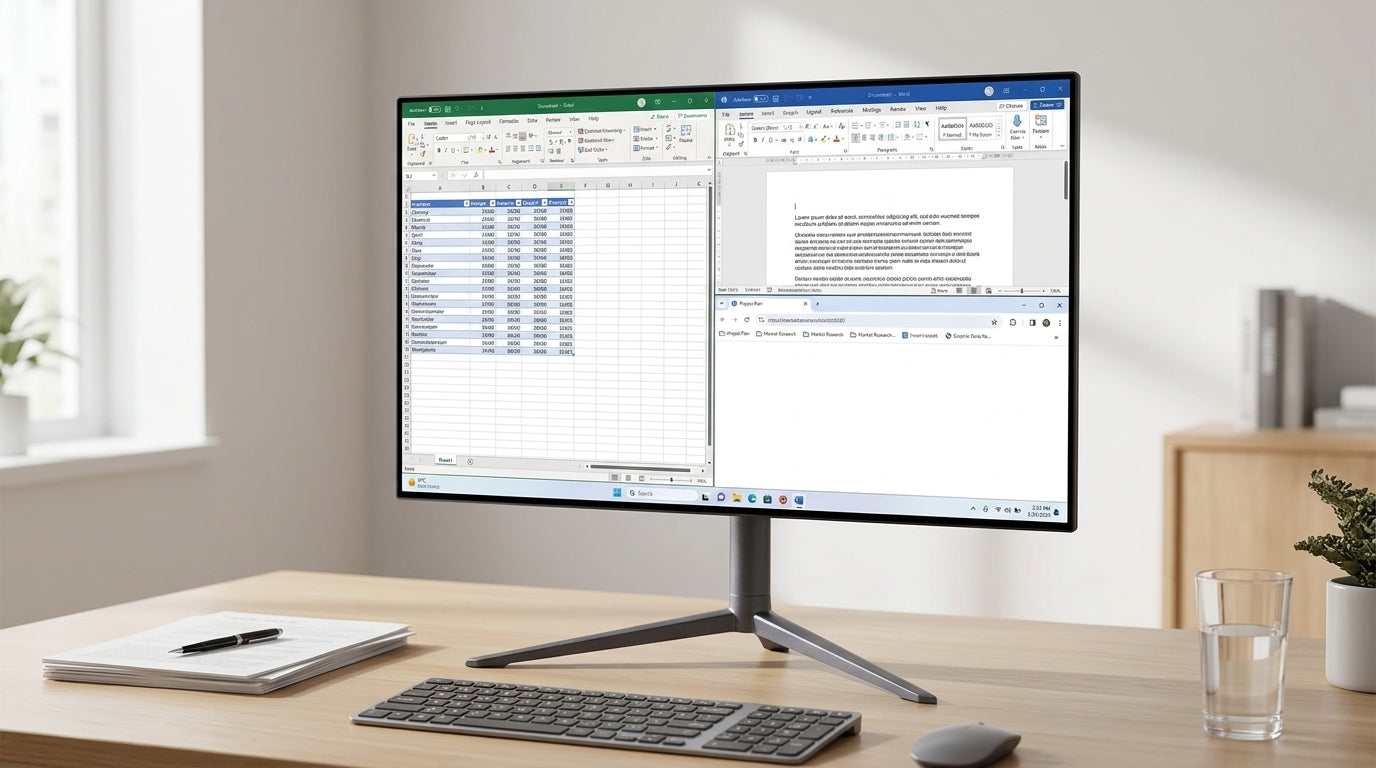
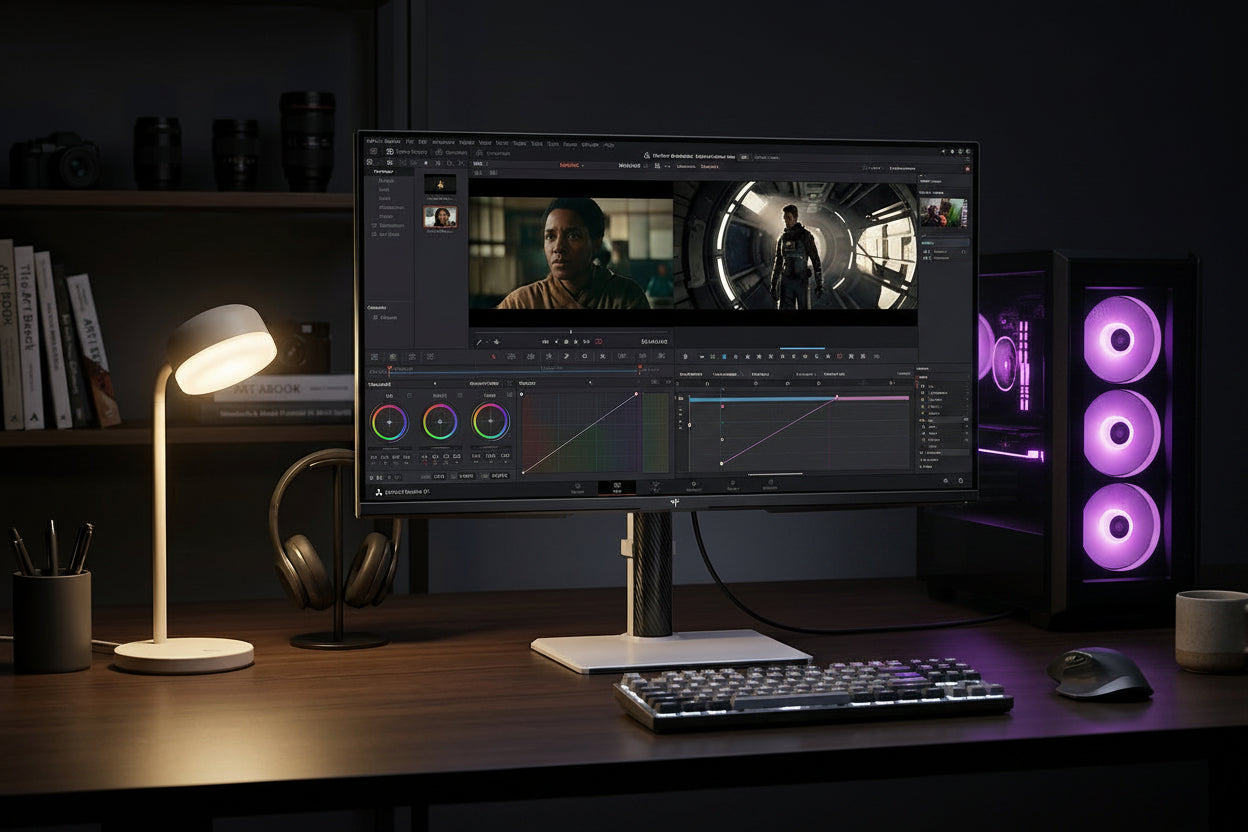
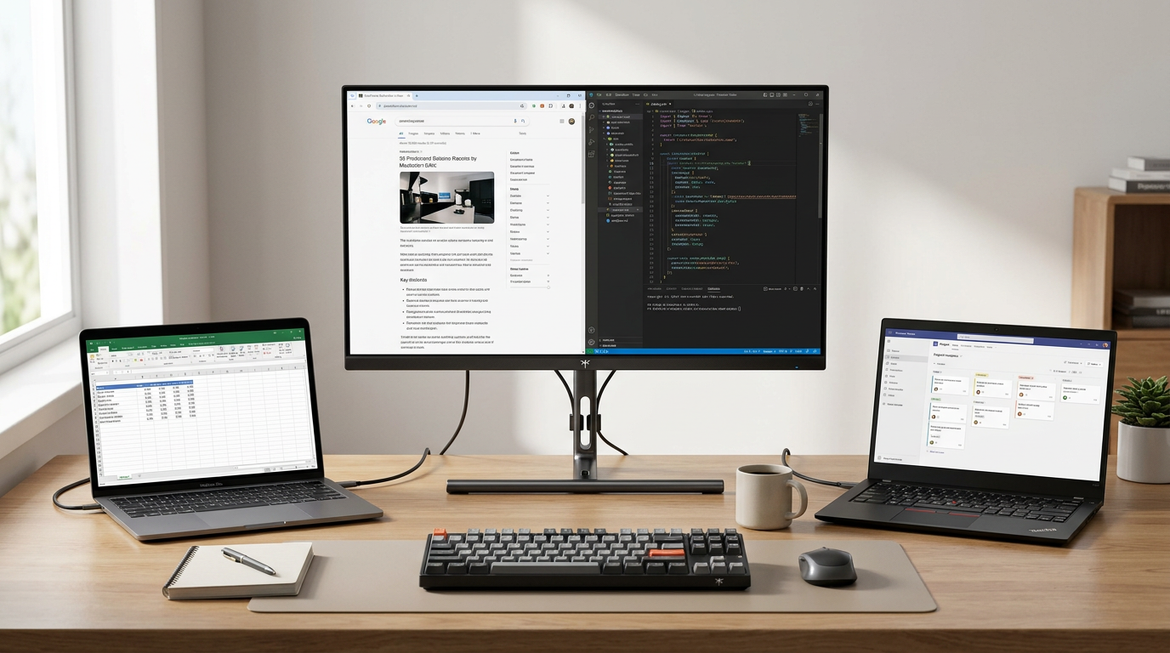
Its 31.5-inch 4K screen, Android 14 software, Google EDLA support, built-in battery, touch control, and adjustable height make sense if you want a room-to-room smart display for streaming, calls, or light productivity. The practical upside is flexibility. The practical boundary is just as important: it still needs enough floor space, a sensible parking spot, and a clear path to roll where you plan to use it.
For bedroom-to-living-room use, the fit is strongest when the display can park neatly near a wall or corner and move without reshuffling the whole room. That makes it more appealing for shared apartments or studios where one screen has to serve multiple zones. If you mostly sit in one room and rarely move the display, a fixed option may be easier.
The product facts also support the everyday-use side of the decision. Android 14 and Google EDLA can be useful if you want a built-in app environment, while the battery and HDMI input add placement flexibility. But those features do not replace the basics: check the route, the outlet situation, and whether the screen height matches how you sit.
If you want to compare the broader category first, mobile touch screen options can help you see the range before narrowing down. If you are deciding whether a mobile smart display should do double duty as a home screen and a work helper, sharing one smart screen between rooms is a useful next read.
Apartment Setup Checklist
Before you buy, run through a short checklist.
- Confirm the display has a real parking spot in your apartment.
- Measure the path between rooms, including tight corners and doorways.
- Check outlet access where the screen will spend the most time.
- Make sure the screen height works from your couch, bed, or work area.
- Confirm the return window, warranty, and shipping terms before ordering.
- If you want a broader comparison, review whether this category is worth it before you commit.
- If you are leaning back toward a more traditional display, Smart Monitor options are the cleaner next step.
Final Takeaway
A rolling smart display works best when your apartment layout rewards movement. If you need one screen to shift between rooms, the flexibility can be worth the trade-offs. If the screen will stay in one place most of the time, a fixed setup is usually simpler. The KTC MEGAPAD 32-inch fits best as a conditional example, not a one-size-fits-all answer. Check your space first, then decide.