A rolling smart display makes sense when one screen needs to move between rooms or zones and save setup time. It is not a universal replacement for every TV, tablet, or fixed monitor. For shared homes, hybrid work, and changing daily routines, the value usually comes from reducing friction, not from adding novelty.
What a Rolling Smart Display Changes at Home
A rolling smart display is a mobile, touch-capable screen built for room-to-room use. That mobility is the whole point. In Wirecutter's portable display review, the category is framed around screens that move between spaces instead of staying locked to one wall or desk, which is why they can work well in kitchens, bedrooms, or the middle of a room when mounting is impractical.
The practical upside is simpler: one screen can serve more than one job without making each room start from scratch. That matters most when people switch between cooking, working, watching, and sharing content during the day. If a screen will sit in one place most of the time, a fixed display is usually easier. A rolling smart display becomes worth considering when movement is frequent enough that the saved setup time is real.
If you want a plain category explainer to compare with TVs, tablets, and monitors, the rolling smart display basics cover the broader category in one place.

Everyday Room Workflows That Benefit Most
For most buyers, the best way to judge the category is by room workflow, not by spec sheet. A rolling smart display helps when the screen needs to move to the task instead of forcing the task to stay near one outlet, one desk, or one wall.
Kitchen Planning and Family Scheduling
Kitchen use is easiest to picture because it solves a small but constant annoyance: keeping a recipe, grocery list, or calendar visible without crowding the counter. Community examples show that people use rolling screens this way, but that should be read as an illustrative routine, not a universal top use case. The real benefit is preserving counter space while still having a screen at eye level.
This setup works best in kitchens where there is a safe parking spot away from splashes, heat, and traffic. If the only convenient position puts the display in a tight walkway, the mobility advantage starts to disappear. In that case, a tablet on a stand or a wall-mounted option may be simpler.
Home Office Calls and Shared Work Sessions
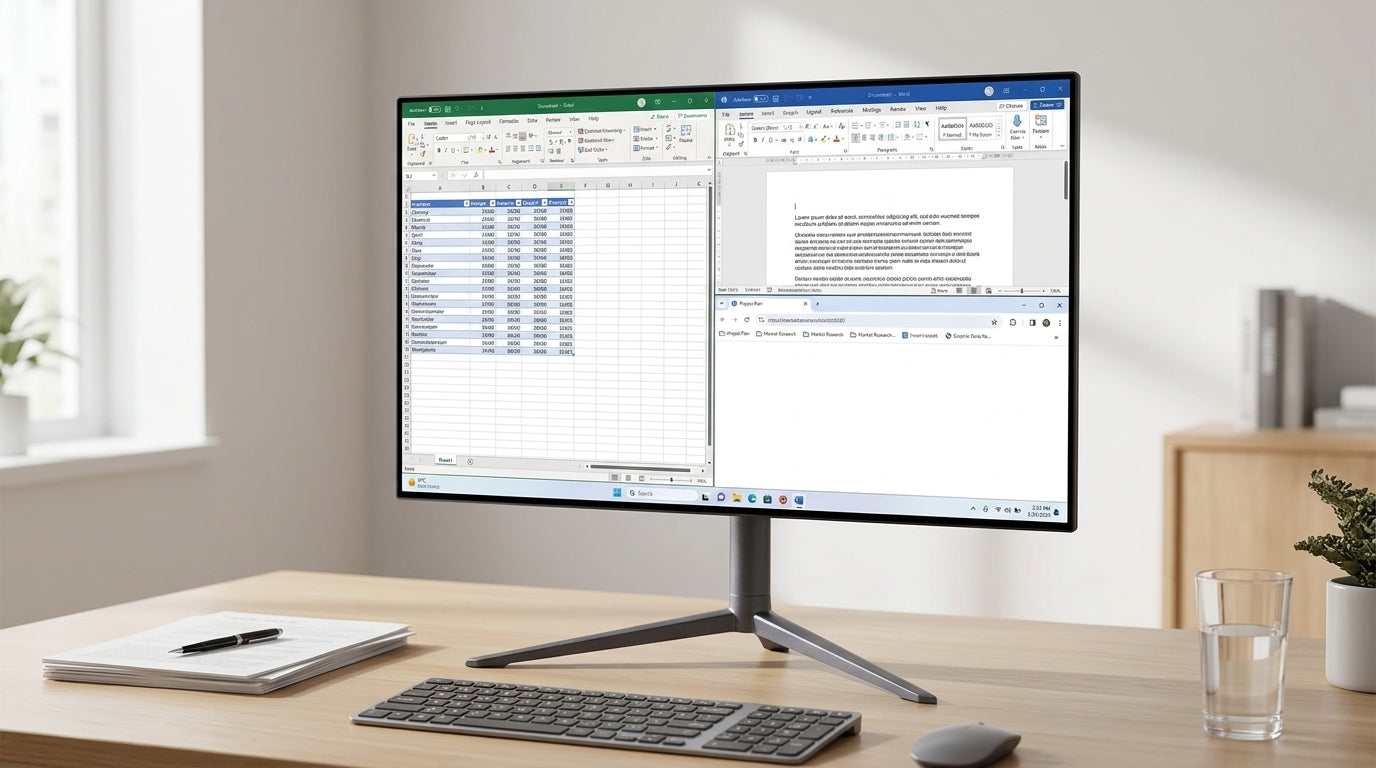
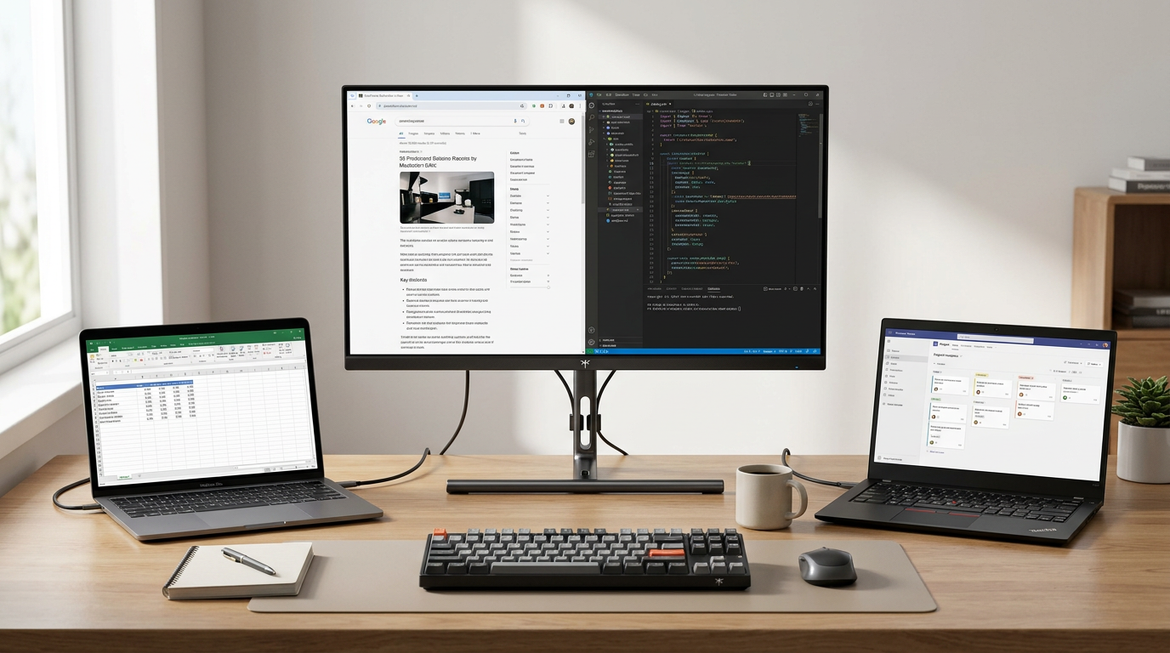
Home office use is often the strongest fit because the display can move from a desk to a shared room for calls, reference material, or a second work session. That flexibility matters in hybrid homes where one space serves multiple people across the day. It is also where people start to care about privacy, framing, and where cables end up.
If that sounds like your setup, the hybrid work and collaborative spaces guide is a useful follow-on comparison, because it focuses on room-to-room work and shared spaces rather than showroom-style demos. As a fit example, the KTC MEGAPAD 32-inch model combines a 31.5-inch 4K touchscreen, Android 14, Google EDLA, a built-in battery, and adjustable height, tilt, and rotate. That mix helps most when the screen genuinely moves between rooms and needs to support both work and casual media.
Living Room Media and Quick Screen Sharing
In a living room, the appeal is flexibility. A rolling smart display can bring sports, streaming, or shared content closer to the couch without needing a dedicated TV in every zone. It can also make quick screen sharing easier if people are moving between a family room, den, or open kitchen space.
This is where viewing comfort matters more than novelty. Distance, glare, and the stand position all shape whether the screen feels pleasant to use. If the room is bright, narrow, or cluttered, the screen can feel more awkward than a fixed display. The category helps most when the viewing position can change along with the activity.
Study, Workout, and Multipurpose Room Use
A mobile display can also help in rooms that change purpose during the day. That makes it useful for study sessions, guided workouts, presentations, or project work in a shared room. The main advantage is quick repositioning. The main risk is that an active room also increases the chance of cable snagging or accidental movement.
In practice, this means the display should be easy to park, easy to angle, and stable enough that it does not become part of the distraction. If you expect frequent repositioning, look for a setup that stays usable after repeated moves, not just one that looks good on paper. For a broader product comparison path, you can also browse mobile touch screen options if you want to compare sizes and formats before narrowing to one room.

| Scenario | Movement Frequency | Setup Friction Saved | Shared-Use Intensity | Best Fit Note |
|---|---|---|---|---|
| Kitchen prep | Medium to high | Clear counter space and keep tasks visible | Medium | Good if there is a safe parking spot |
| Hybrid work | High | Avoids resetting a desk-only screen | High | Strong fit for room-to-room calls |
| Shared family space | Medium | One screen can serve more than one zone | High | Helpful when people trade rooms often |
| Bedroom or private use | Low to medium | Limited unless the room changes purpose | Low | Often simpler with a fixed screen |
| Fixed desk spot | Low | Little saved friction | Low to medium | Usually not the best reason to buy |
Room Fit, Setup, and Daily Trade-Offs
The biggest mistake is treating a rolling smart display like a portable gadget when it still behaves like a sizable home device. Power access, cable routing, and floor space matter as much as the screen itself. If the path between rooms is narrow or crowded, the screen can feel bulky and the mobility benefit drops fast.
Stability also deserves attention. Manufacturer guidance for mobile display bases emphasizes anti-tip design and smooth wheel movement, which is a reminder to check the stand and route before you buy. That should not be read as a universal safety promise. It is simply a signal that stability is a core part of the purchase decision, especially in busy homes or active rooms.
Privacy is another real trade-off. A screen that moves well for family sharing may also make it easier for others to see your work calls or personal content. In many homes, the right question is not "Can it move?" but "Where will it live when it is not moving?" If the answer is unclear, the workflow may be better served by a fixed display or a wall-mounted setup. A rolling display versus wall tablet comparison can help if you are deciding between those two paths.
Which Product Fit Makes Sense First
The KTC MEGAPAD 32-inch model is best read as a fit example for buyers who want a large shared screen, touch control, and the ability to move it between rooms. Its 31.5-inch 4K panel, Android 14, Google EDLA, built-in battery, and adjustable height, tilt, and rotate all make more sense when the screen will be used across more than one room or routine.
That said, the model is not a universal answer. If your screen will mostly stay beside one desk, you may be paying for mobility you will not use. If you need a quick next step, the product page is the right place to verify warranty, shipping, and return details before buying, since those are support terms rather than proof of workflow fit.
A good rule of thumb is simple: choose the rolling smart display when it will regularly replace moving a laptop, dragging a stand, or setting up the same screen in multiple places. If the screen stays parked, a fixed smart display is usually the cleaner buy.
Limitations to Expect Before You Commit
The category sounds flexible, but real use still depends on the room. Battery runtime is usage-dependent, not fixed. In one independent review, runtime changed noticeably with brightness and volume, which is the right way to think about it: more demanding settings shorten unplugged use, while lighter use can stretch it.
That means you should treat battery life as a planning variable, not a promise. If your routine requires long unplugged sessions, check the actual use pattern you expect, including brightness, sound, and how often the screen will stay on. If you mostly keep it near power, battery matters less, and setup convenience matters more.
The other common limits are more mundane: glare, viewing angle, storage space, and the effort of moving a large screen through busy rooms. None of those issues is unique to this category, but all of them become more noticeable when the display is rolled around daily. If those frictions sound minor, the category can be useful. If they sound annoying already, a fixed option is probably the better fit.
How to Decide If It Is Worth It
Use a quick self-check. First, ask how often the screen will move between at least two spaces. Second, ask whether that movement will save real setup time. Third, check whether the route, outlets, and parking spot are actually workable. If the answer is yes to all three, a rolling smart display is worth considering. If not, a fixed screen is usually simpler.
That is the clearest way to judge the category: not by the idea of mobility, but by the amount of friction it removes in your home.