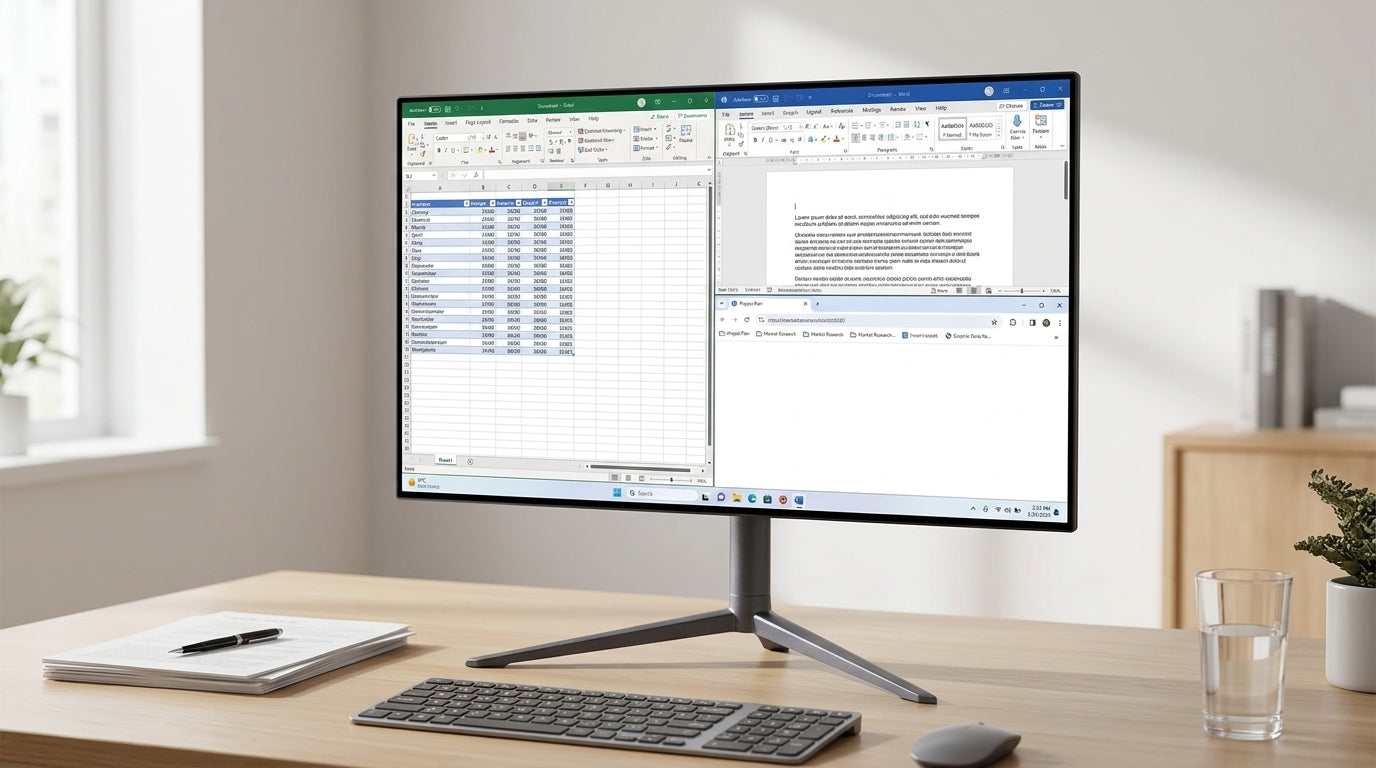
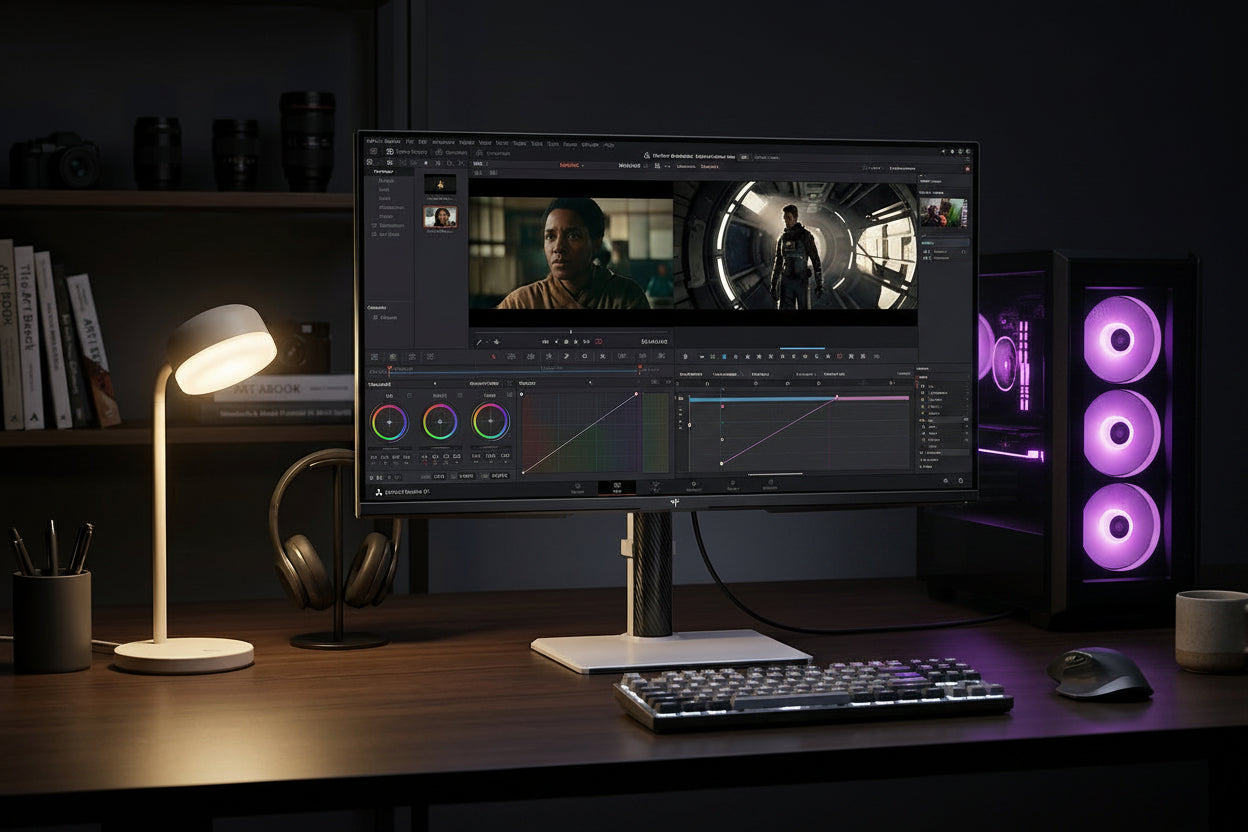
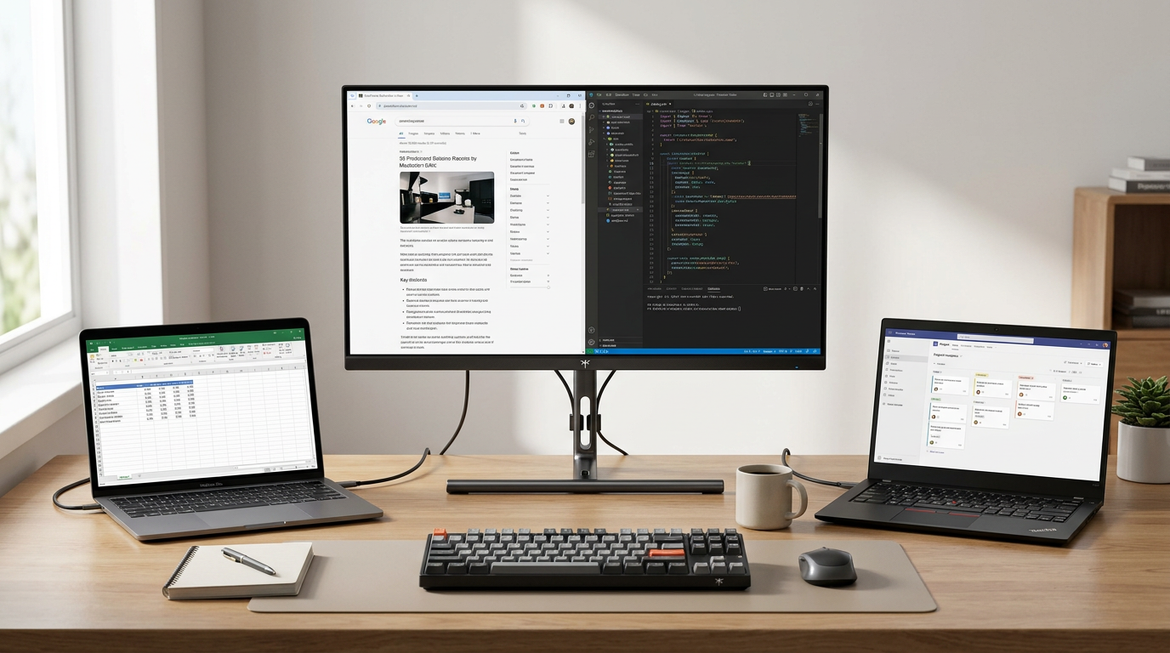
A rolling smart display for events and presentations makes the most sense when your team needs to move a screen fast, cast from different presenter devices, and avoid extra setup in temporary spaces. If the display will live in one room, a fixed install may be simpler. If you are rotating between booths, breakout rooms, or roadshow stops, mobility and reliable fallback input matter more than flashy specs.

Why Event Spaces Need a Different Display Setup
Event buyers usually need a different answer than office buyers. In a rented venue, the screen may need to roll from one room to another, switch between a demo table and a breakout room, or reset between speakers with very little time. That makes a rolling smart display a workflow decision, not just a hardware decision.
For most event teams, the real question is not "What is the biggest or brightest screen?" It is "Can the team move it, cast to it, and recover quickly if one presenter's device does not cooperate?" Wireless casting can cut cable clutter, but the live workflow still depends on device compatibility and the venue network. Rise Vision's overview of wireless screen sharing options is a useful reminder that temporary spaces can change the experience fast.
A rolling smart display for events and presentations is therefore best judged by room-to-room movement, presenter handoff, and setup friction. If those are the pain points, you are in the right category. If the screen will stay in one room and one cable path, a simpler display may be the better buy.
Must-Have Features for Temporary Presentations
Before you compare models, check the workflow pieces that can make or break an event day. In temporary spaces, a display only feels convenient if the team can move it, connect it, and recover from a failed cast without slowing the session.

Mobility and Room-To-Room Movement
Wheels matter when you are working across booths, breakouts, and shared spaces. The display should roll smoothly, stay stable once parked, and fit the floor conditions you will actually face. Thresholds, carpet, crowded aisles, and tight corners can turn "portable" into "awkward" very quickly.
If a screen is too hard to reposition, the mobility benefit disappears. A rolling smart display is a fit when movement saves labor; it is not a fit when the team still needs two people and extra time to reset it.
Casting and Device Switching
For event coordinators, presenter handoff is often the biggest hidden friction. Different speakers may bring laptops, tablets, or phones, and the screen has to accept that variety without turning every handoff into a troubleshooting session. Wireless casting helps when it works, but it should be treated as a convenience, not a guarantee.
That is why compatibility checking matters before show day. If your event depends on easy casting, review app support and source-device behavior first. A compatibility check like this smart display guide can help teams verify the basics before they commit.
Power, Battery, and Session Length
Battery support is useful in pop-up spaces because it reduces dependence on one outlet location. Still, runtime should be treated as a planning input, not a promise. Brightness, casting load, and how long the screen stays active will change what you actually get.
A good rule is simple: if the event schedule has long session blocks or uncertain outlet access, verify battery behavior in a realistic setup before the first live use. If the screen will stay plugged in, battery support becomes more of a convenience than a requirement.
Audio, Camera, and Presentation Convenience
Built-in speakers and a camera can reduce the amount of extra gear you need for demos or hybrid-style sessions. They matter most when the event includes video calls, guided walkthroughs, or quick remote participation. If the use case is only local presenting, these extras are helpful but not essential.
The practical check is whether the feature removes a real setup step. If it does, it has value. If it only sounds nice on the spec sheet, it is probably secondary.
| Feature | Best Use | Buying Check |
|---|---|---|
| Mobility | Room changes, booths, and breakout spaces | Wheels, stability, and floor clearance |
| Casting reliability | Presenter handoff and device variety | Confirm source devices and app support |
| Power planning | Temporary venues and uncertain outlets | Treat runtime as a planning input |
| Audio convenience | Quick demos and light hybrid use | Verify level and speaker clarity |
| Camera convenience | Remote guests and guided walkthroughs | Check whether the session actually needs it |
| Fallback inputs | Live-event recovery path | Keep a wired option ready |
| Ecosystem access | Android-based workflows | Confirm supported services and app behavior |
How the KTC MEGAPAD Fits Event Use
The KTC MEGAPAD 27" FHD Android 14 Google EDLA Smart Touch Monitor with 9500mAh Battery is a reasonable featured option when the event needs a compact rolling display with built-in mobility and a battery-backed setup. Its verified facts include a 27-inch FHD touch display, built-in wheels, Android 14, Google EDLA, Wi-Fi 5, Bluetooth 5.1, Type-C input, a camera, and speakers. Google explains EDLA and Google Mobile Services as official access to Google services on supported devices, which helps frame the feature correctly: it supports the ecosystem, but it does not guarantee every presenter workflow.
That is why this model fits smaller pop-ups, breakout-room rotations, and room-to-room event setups better than it fits large auditoriums. A 27-inch screen is easier to move and stage than a bigger rolling display, and that can matter when the team is resetting quickly between sessions. The trade-off is simple: if viewers will sit farther away or the room is larger, you should check whether the 27-inch size is enough.
The most useful product question is not whether the MEGAPAD looks feature-rich. It is whether the actual event workflow lines up with those features. If you need a rolling display with touch control, wired Type-C fallback, and battery support for shorter event blocks, the MEGAPAD is worth shortlisting. If you need a room-filling screen for long viewing distances, keep looking.
Compare Screen Size, Power, and Mobility
This is the point where many buyers over-focus on one spec. For event work, screen size, battery dependence, movement ease, and fallback input all interact. A display can look strong on paper but still be the wrong fit if the venue, presenter mix, or session length does not match it.
| Event Need | What To Check | Why It Changes The Decision |
|---|---|---|
| Frequent room changes | Wheels, stability, and how easy it is to park | A screen that moves badly creates extra labor on show day |
| Multiple presenters | Wireless casting path and device compatibility | Different laptops and phones can behave differently |
| Long or uncertain session blocks | Battery behavior and whether the unit stays plugged in | Runtime is a planning input, not a blanket promise |
| Temporary booth or activation space | Footprint and viewing distance | A smaller format can be easier to stage, but not always visible enough |
| Backup plan | Wired Type-C or other fallback input | A live event needs a recovery path when wireless does not cooperate |
| Ecosystem-based workflow | Android services, app support, and source-device rules | Official Google support helps, but you still need to test the exact workflow |
For this model family, the portable touch screen range is the cleanest place to compare related portable display options by size and use case. Use the collection as a browsing path, not as proof that every model behaves the same way in a live event.
If your event format is mostly pop-up demos and breakout-room changes, the 27-inch class is often the practical starting point. If the setup needs to be seen from farther back, a larger screen class may be a better shortlist, even if it is harder to move.
Set Up a Pop-Up Presentation Without Friction
A smooth event setup is less about perfection and more about reducing surprises. The best results usually come from a simple sequence: test the display at least once before the event, confirm power and movement, verify the casting path, and keep a wired fallback ready.
- Test the exact source devices that presenters will bring.
- Confirm the venue Wi-Fi or casting path in the room where the screen will actually be used.
- Check that the display rolls cleanly through the floor layout and can be parked safely.
- Verify audio level and camera use only if the format really needs them.
- Keep a Type-C or other fallback connection ready in case wireless casting stalls.
This is where many teams save themselves from regret. A display that works in the office can still feel unreliable in a rented venue if the network, power access, or device mix is different. Rise Vision's guidance on wireless presentation setup makes the same basic point: verify the workflow in the environment where it will be used.
A useful final check is to ask whether the screen can be handed from one presenter to the next without extra coaching. If the answer is uncertain, test again before show day. If the answer is yes, the display is probably doing its job.
Choose the Right Model for Your Event Format
Use this quick fit check before you buy:
- Best fit: Pop-up demos, temporary booths, roadshows, and breakout rooms where mobility and quick presenter switching matter most.
- Consider a larger display: Rooms where viewers sit farther away or where the screen needs to anchor the space visually.
- Verify before buying: The casting path, device compatibility, outlet access, and whether a wired fallback is easy to use.
- Skip this class: Fixed spaces where a wall-mounted or stationary display will be simpler and cheaper to live with.
For event coordinators, the right rolling smart display for events and presentations is the one that lowers setup friction without creating new surprises. If your team needs mobile presentation gear, start with the fit checklist above, then compare options in the mobile touch screen collection. The safest next step is to test the exact workflow before the first live audience.
Final Takeaway
A rolling smart display works best when mobility, casting, and fallback inputs all match the event format. Start with the workflow, then confirm size and power. For a compact option, compare the MEGAPAD with the broader mobile touch screen lineup.
FAQs
How Do You Choose the Right Screen Size for a Pop-Up Event?
Start with viewing distance and room shape, not with the biggest spec on the page. A smaller rolling display is easier to move and stage, but it can run out of presence in larger rooms. The right size is the one that stays readable from the farthest seat you need to serve.
What Should You Verify Before Relying on Wireless Casting at an Event?
Check the exact source devices, the casting path, and the venue network before show day. Wireless casting is most useful when the workflow has already been tested in the room where people will present. A wired fallback should still be available if the live connection stalls.
Can a Battery-Powered Rolling Display Work for a Full Session?
Sometimes, but only if the session length, brightness setting, and usage pattern line up with the tested runtime. Battery size alone does not tell the whole story. For event planning, treat battery support as a mobility tool and confirm how long it lasts in the real setup you expect to run.
Why Is a Rolling Smart Display Better Than a Fixed Meeting-Room Screen for Pop-Ups?
A rolling screen is easier to move between rooms, booths, and temporary setups, which reduces re-installation work. That advantage matters most when the venue changes often or when the team has to reset quickly. If the screen will stay in one place, a fixed display may be simpler.
Can Multiple Presenters Switch Devices Quickly Without IT Help?
They may be able to, but only if the model, source devices, and venue network are all cooperating. The safer approach is to test the handoff process in advance and keep a fallback input ready. That way, presenter switching stays a workflow choice instead of a live-event gamble.