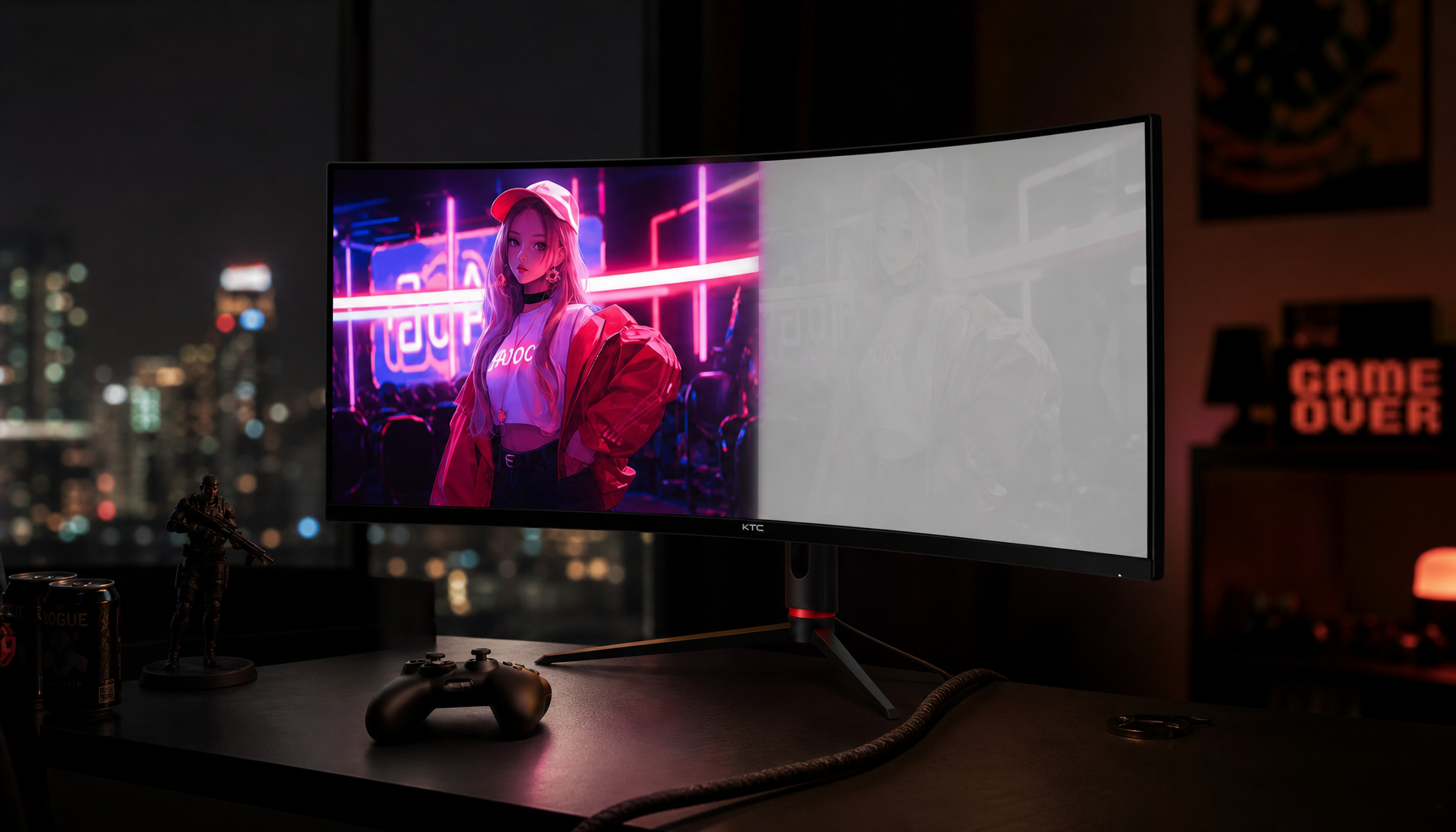
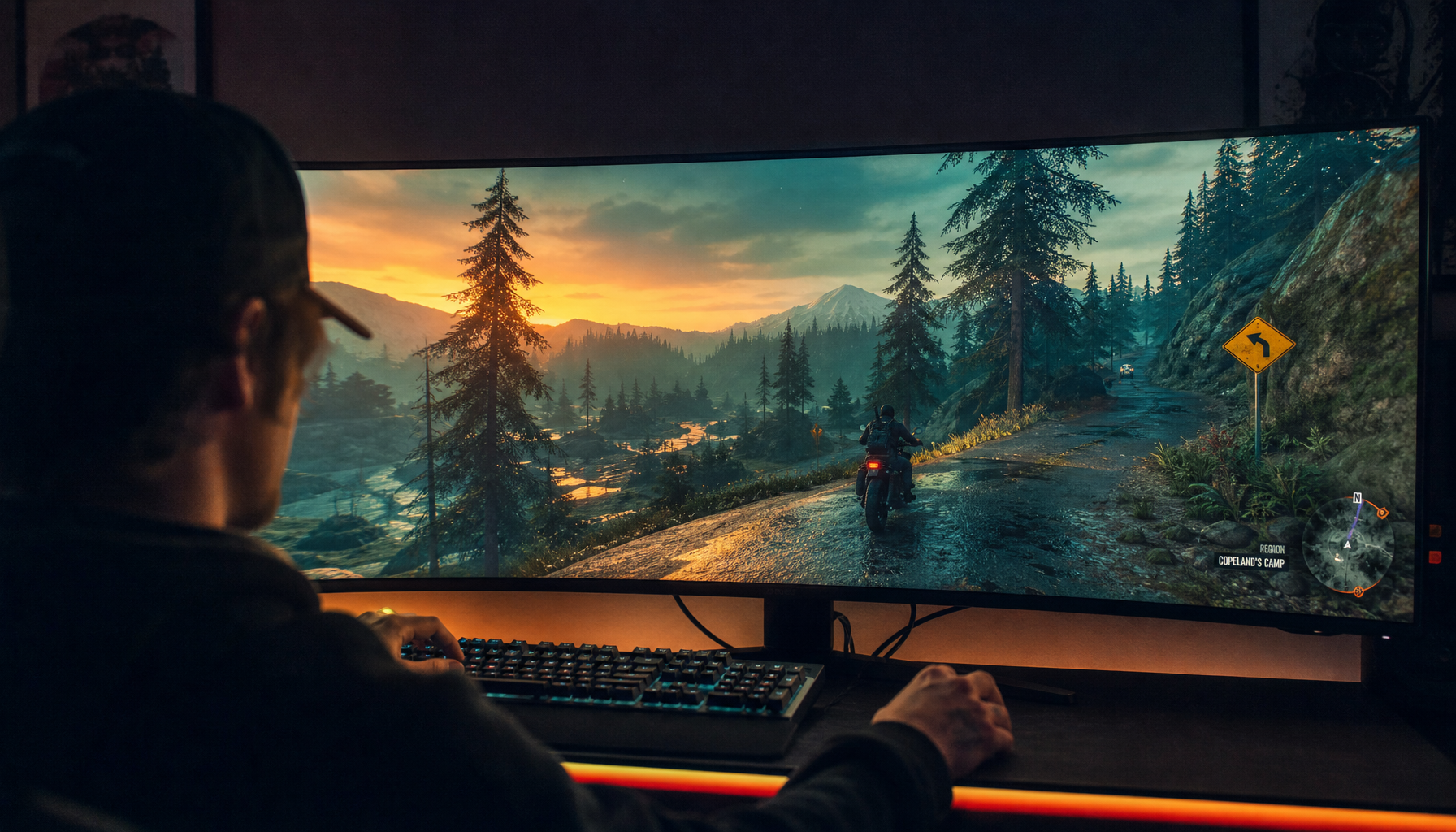
Colors shift between DCI-P3 and Adobe RGB because the two spaces prioritize different parts of the visible spectrum: DCI-P3 leans into cinema-friendly reds and warm saturation, while Adobe RGB reaches further into greens and cyans for print-oriented work.
Does a sunset look electric on one monitor, while the same file turns dull or strangely green on another? With the right color-space choice, calibration, and export setting, you can make a gaming display, office monitor, or portable smart screen show the image closer to its intended destination. Here is the practical way to understand the difference and choose the right mode without chasing misleading “wide gamut” specs.
Color Spaces Are Not Just “More Color”
A color space is a defined map for what specific RGB values mean on a display, camera file, print workflow, or video pipeline. Adobe RGB has a wider gamut than sRGB, while DCI-P3 was developed for digital cinema and later became common in HDR displays, high-end monitors, phones, and laptops.
The key point is that wider does not mean identical. Two color spaces can both be “wide gamut” while covering different color regions. That is why a saturated green jacket, turquoise ocean, red neon sign, or orange explosion can change character when viewed or converted between DCI-P3 and Adobe RGB.
In monitor testing and calibration work, this difference shows up quickly. A display advertised as “95% DCI-P3” may look punchy in movies and games, but it may not be the best match for a photographer preparing inkjet prints. A monitor with high Adobe RGB coverage may show foliage and cyan skies with better print relevance, yet look less cinematic than a P3 OLED in HDR video.
DCI-P3 vs Adobe RGB: The Practical Difference
DCI-P3 was defined for theatrical digital motion picture distribution, and its modern display variant, Display P3, uses the same P3 primaries with a D65 white point. In plain terms, P3 became popular because it makes modern screen content feel richer, especially in reds, oranges, yellows, and many entertainment-driven scenes.
Adobe RGB was developed for imaging and print workflows. The major practical advantage is its reach into green and cyan regions beyond sRGB, which matters when cameras capture colors that a printer or professional photo workflow can reproduce better than a standard web display.
Color Space |
Strongest Practical Use |
Where Colors Often Look Different |
DCI-P3 / Display P3 |
HDR video, cinema, immersive gaming, modern wide-gamut display workflows |
Reds, oranges, warm tones, vivid entertainment color |
Adobe RGB |
Photography, print preparation, publishing, prepress |
Greens, cyans, foliage, product photography, printable color |
sRGB |
Web, office work, social media, broad compatibility |
Most consistent across everyday devices, but narrower |
The problem starts when content made for one space is shown as if it belongs to another. If an sRGB image is displayed on a wide-gamut monitor without proper color management, skin can look too saturated and office graphics can look cartoonish. If an Adobe RGB photo is treated as sRGB, rich greens may flatten or shift.
Why the Same Color Value Can Look Different
An RGB value is not an absolute color by itself. “Red 220, green 80, blue 40” only becomes a real color when a color profile tells the system what those numbers mean. An ICC profile describes how a device reproduces color, so color-managed software can translate the image correctly for your monitor and output target.
This is why monitor mode buttons can be confusing. Switching a monitor from Display P3 to Adobe RGB or sRGB is not only changing gamut; it may also change brightness, white point, gamma behavior, and calibration target. In one color-management discussion, a wide-gamut monitor looked much brighter in Display P3 than in sRGB mode, a classic sign that color mode and viewing setup are part of the result, not just gamut size.
A simple real-world example: if you edit a product photo in Display P3 because it looks vibrant on your laptop, then export it without converting properly to sRGB for an e-commerce product page, the product color may appear different on mainstream office monitors. If that product is a red gaming mouse, the red may look oversold on your screen and muted elsewhere. The fix is not guessing; it is using the right profile and export space for the destination.
Why DCI-P3 Can Look More Immersive
DCI-P3 covers more color than sRGB, especially in cinematic color ranges where warm saturation and strong contrast help games, movies, and HDR scenes feel more lifelike. This is why a P3-capable gaming monitor or OLED portable screen can make a sci-fi city, racing game, or HDR trailer feel more dimensional than a basic sRGB display.
For immersive gaming, P3 can be a visual upgrade when the game, operating system, and display handle color properly. The caveat is important: many standard games and desktop apps still assume sRGB behavior. A wide-gamut panel running unmanaged content can exaggerate colors instead of improving accuracy.

For competitive gaming, color space is usually secondary to refresh rate, response time, motion clarity, and visibility tuning. P3 is valuable when you want cinematic richness, but an accurate sRGB mode is often more useful for consistent UI, streaming overlays, and web-based content creation.
Why Adobe RGB Can Be Better for Print
Wide-gamut monitors are recommended for serious photo editing, especially when paired with strong calibration and higher-end color hardware. Adobe RGB matters because many photography and printing workflows need more green and cyan information than sRGB can comfortably represent.
For example, landscape photos often contain foliage, water, and sky colors that expose the difference between sRGB and Adobe RGB. If your monitor only covers sRGB, you may not see some printable colors before sending the file to a lab. If your monitor covers Adobe RGB well and is calibrated, soft proofing becomes more reliable.
A print-focused display still needs more than a big gamut number. Professional photographic monitors should cover Adobe RGB, but accuracy, stability, screen uniformity, and calibration quality determine whether the screen actually helps you match the print. A claimed “100% Adobe RGB” monitor with poor uniformity can still mislead you from center to edge.
Pros and Cons for Each Workflow
DCI-P3 Strengths and Tradeoffs
DCI-P3 is excellent for HDR entertainment, video editing, cinema-style grading, and visually rich gaming. It tends to make reds and warm tones feel deeper, which helps explosions, sunsets, neon signs, product videos, and streaming content look more immersive on capable screens.
The tradeoff is compatibility. If your work ends up on general websites, office apps, or unmanaged screens, P3 can create surprises unless you export correctly. It is powerful for modern display-first content, but it is not automatically the best choice for print or broad web consistency.
Adobe RGB Strengths and Tradeoffs
Adobe RGB is a stronger choice for print-minded photography, publishing, product photography, and workflows where greens and cyans matter. It gives you more room to preserve color while editing before converting down to a smaller output space.
The tradeoff is that many everyday apps and displays do not handle Adobe RGB as reliably as sRGB. If you send an Adobe RGB JPEG to a platform or viewer that mishandles the profile, colors can look dull or incorrect. Adobe RGB rewards disciplined color management.
sRGB Still Matters
sRGB is not outdated just because it is smaller. It remains the standard color space for the web, which makes it the safest export choice for social media, office documents, browser graphics, and general sharing.
A strong display setup often includes all three modes: calibrated sRGB for office and web review, DCI-P3 for HDR and video, and Adobe RGB for print-oriented editing. The best monitor is not the one with the flashiest gamut claim; it is the one that lets you control the target.
How to Choose the Right Mode on a Monitor
If your final output is web, social media, slides, documents, or general e-commerce, use sRGB for preview and export. This gives you the best chance that a client’s laptop, a coworker’s office monitor, and a customer’s cell phone show roughly the same color.
If your final output is HDR video, cinematic content, modern app visuals, or immersive gaming, use DCI-P3 or Display P3 when the whole workflow supports it. That means the source file, software, operating system, and display profile should all agree.
If your final output is high-quality print, photography, or prepress, use Adobe RGB when your camera file, editing software, display, and printer profile support it. Then soft proof against the actual paper or lab profile before committing to a large print.
Calibration Is the Difference Between Wide and Correct
A wide-gamut monitor without calibration is like a high-refresh gaming panel with motion blur turned up: impressive on the spec sheet, unreliable in use. Delta E measures color accuracy, and values around 2 or below are generally difficult for most people to notice without instruments.

For display buyers, the reliable shortlist is simple. Look for explicit coverage claims such as near-100% sRGB, strong DCI-P3 for video, or high Adobe RGB for print. Favor factory calibration reports, usable sRGB mode brightness controls, matte anti-glare surfaces for editing rooms, and support for hardware calibration when color work pays the bills.
Portable smart screens deserve extra scrutiny. Many portable displays advertise vivid color, but brightness limits, panel variance, glossy reflections, and weak profiles can make them poor proofing tools. They can still be excellent for mobile editing, gaming, and client previews if you treat them as display-target screens rather than final print references.
FAQ
Is DCI-P3 better than Adobe RGB?
Neither is universally better. DCI-P3 is better aligned with cinema, HDR, modern display content, and immersive gaming. Adobe RGB is better aligned with print-focused photography and workflows that benefit from expanded greens and cyans.
Should I edit photos in DCI-P3 or Adobe RGB?
For print, Adobe RGB is usually the stronger choice if your monitor and software support it. For display-first content aimed at modern wide-gamut phones, tablets, and HDR screens, Display P3 can make sense. For broad online sharing, export to sRGB unless the destination clearly supports a wider profile.
Why do colors look oversaturated on my wide-gamut monitor?
Oversaturation usually happens when sRGB content is shown on a wide-gamut display without proper color management. The monitor is capable of stronger colors, but the software is not translating the file into the display’s actual profile.
Final Word
DCI-P3 and Adobe RGB differ because they were built for different goals: P3 pushes immersive screen color, while Adobe RGB protects print-relevant greens and cyans. Choose the color space by destination, keep your monitor calibrated, and treat gamut coverage as a tool for control rather than a badge of quality.