The fastest way to improve rolling smart display battery optimization is to lower the settings that work the battery hardest, then match the device to the way your family really uses it. That usually means calmer brightness, moderate volume, less wireless overhead, and better sleep habits, but runtime still varies by room, app load, and how long the screen stays active.

What Drains a Rolling Smart Display Fastest
For most families, the biggest battery drains are the easiest ones to notice in daily use: screen brightness, audio level, wireless features, and how busy the apps are. Android's own battery guidance says to limit background activity and reduce power use when you want longer runtime, and Cook Children's battery tips note that streaming, Bluetooth, and audio output add to the load as they stack together.
Why Brightness Usually Matters First
Brightness is usually the first setting to check because the screen is on for every recipe, homework page, and video session. If the display looks brighter than it needs to in a kitchen or family room, you are spending battery on extra light instead of useful viewing.
A good rule for rolling smart display battery optimization is simple: start with the lowest brightness that still feels comfortable in the room, then raise it only when glare or distance makes reading harder. That gives you a real runtime gain without making the screen unpleasant to use.
How Audio, Streaming, and Casting Add Load
Audio and wireless use matter more than many buyers expect. Loud speakers, video playback, Bluetooth, and casting can all pull power at the same time, so a streaming session usually drains faster than a static recipe or timer screen.
That does not mean streaming is a bad use case. It just means you should not expect a show, a cast session, and a high-brightness screen to behave like light note-taking. If battery life feels short, this is the scenario to simplify first.

Settings That Extend Runtime
The settings that help most are usually the ones that reduce work without making the device hard to use. Android's battery guide recommends limiting background app activity and using power-saving habits when you want to stretch runtime, which lines up well with the way a family display is used across meals, homework, and evening viewing.
Tune Brightness for the Room
Set brightness for the actual room, not for the brightest moment of the day. Morning light, overhead kitchen lights, and evening lamp light all change what "comfortable" means.
If the screen is used in more than one room, recheck brightness instead of leaving one fixed level all week. A setting that feels fine in a shaded den may be wasteful at the breakfast bar, while a low setting that works indoors may be too dim near a sunny window.
Lower Audio Without Losing Usability
Volume is another setting that often creeps higher than needed. In a busy kitchen or living room, people turn sound up to hear over ambient noise, then leave it there even when the room quiets down.
Keep the audio clear, not loud. If the screen is close to where people sit or stand, you can often lower volume a bit and still keep dialogue understandable. That helps battery life without forcing the family to mute everything.
Reduce Wireless and App Overhead
Wireless casting, Bluetooth, and background apps are useful, but they also create extra drain when they stay active longer than needed. Close apps you are not using, disconnect casting when the session ends, and avoid leaving a feature on just because it was helpful earlier.
This is especially useful for mixed-use households. A screen that jumps between recipes, a homework app, and streaming can waste battery if each task leaves something running in the background. The goal is not to disable everything. It is to avoid paying for features you are not using right now.
Use Sleep and Power-Off Habits Consistently
Sleep habits are the easiest battery-saving habit to keep. If the display sits through lunch cleanup, a homework break, or an overnight pause while still awake, it keeps draining when nobody is using it.
Make the off routine part of the family flow. Use screen-off, sleep, or shutdown during long breaks, then wake the display when the next task starts. That tends to help more than one-time tweaking because it reduces the small drains that add up all day.
Match the Screen to Family Use Patterns
Here is the practical part of rolling smart display battery optimization: different family routines stress the battery in different ways. A screen that feels great for recipe browsing may be fine for homework, yet feel much shorter-lived during streaming or casting. That is normal, and it is why buying and usage decisions should start with the family pattern, not just the battery number.
| Family Use Pattern | Battery Stress | Best Settings To Prefer | Fit Note |
|---|---|---|---|
| Kitchen counter recipes and timers | Lower | Modest brightness, lower volume, short sleep gaps | Usually the easiest pattern for longer runtime because the workload is light. |
| Homework help and reading | Moderate | Comfortable indoor brightness, background apps closed, audio kept modest | Works well if the screen stays readable without pushing brightness too high. |
| Streaming and video calls | Higher | Moderate brightness, controlled audio, casting only when needed | Expect noticeably faster drain than static tasks because video and wireless activity stack up. |
| Room-to-room family use | Variable | Consistent sleep habits and quick reconnection discipline | Convenient, but only if the family avoids leaving the screen awake between moves. |
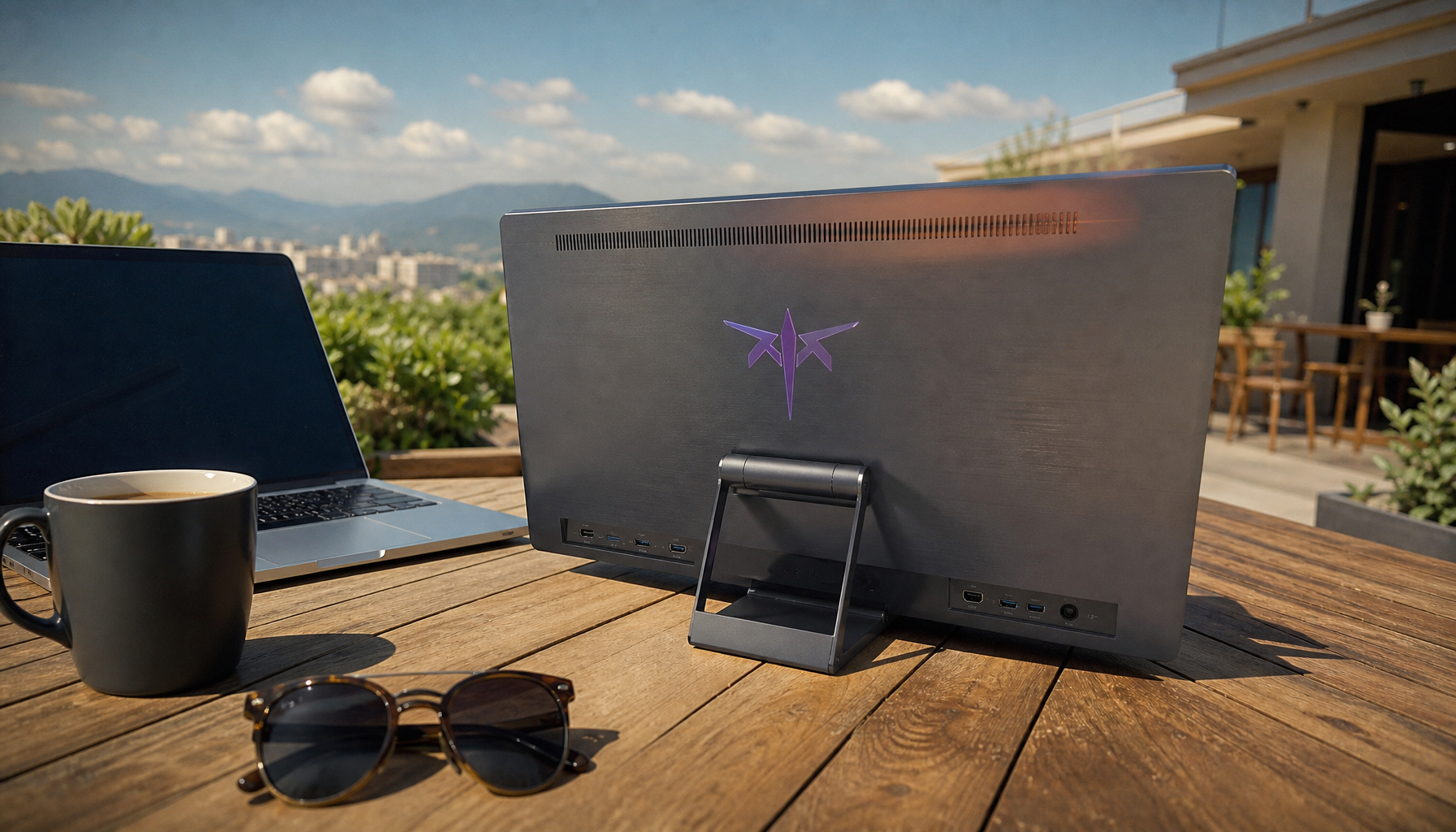
| Featured example: KTC MEGAPAD 32-inch 4K rolling smart display | Variable and use-dependent | Best for families who want a larger rolling screen and accept that runtime changes with brightness, apps, and wireless use | A neutral example, not a universal recommendation, and the product's runtime should be treated as variable rather than guaranteed. |
If you want to browse the broader category first, the mobile touch screen collection is the cleaner starting point. For families comparing all display sizes and styles, all monitors is the broader navigation path.
For room-to-room setups, rolling smart display workflows can help you plan when a display actually moves and when it should stay parked. If your household leans toward meal prep and kitchen tasks, rolling kitchen display planning is another useful follow-up.
A related setup read is rolling smart display workflows, which can help you decide when the screen should move and when it should stay parked. For households that use the display around meals, kitchen smart display setup is a practical companion guide.
What this means in practice is that the best-fit screen is not always the one with the biggest battery on paper. A lighter-use family may care more about convenience and moving the display room to room, while a streaming-heavy family may care more about how often the screen needs a recharge.
Battery Habits That Help Over Time
Short-term runtime tips and long-term battery care are related, but they are not the same thing. Battery University's BU-808 guide explains the common lithium-ion rule of thumb: avoid heat when possible, and do not leave the battery at full charge for long stretches if you can help it.
- Charge after normal use instead of treating every session like it needs to end at 100%. That habit reduces stress on the battery over time and fits better with a family screen that gets used in bursts.
- Avoid heat around the display and stand. Warm rooms, direct sun, and charging in a tight, hot spot can age lithium-ion batteries faster.
- If the screen will sit unused for a while, store it with a sensible charge level rather than leaving it at full power for weeks. That is a general battery-care habit, not a promise that the battery will stay new.
- Expect battery aging to shorten runtime gradually. Even a well-kept battery will not hold the same runtime forever, so the goal is to slow the decline, not stop it completely.
For family use, the main lesson is to treat battery care as a long game. Daily brightness changes help you get through today, while cooler storage and moderate charge habits help the battery age more gently over time.
A Practical Checklist Before You Buy or Reconfigure
- Check the brightest room in your home and set the screen there first, not just in a dim room.
- Test whether your normal use is mostly recipes, homework, streaming, or a mix of all three.
- Decide whether you can live with moderate volume instead of constantly turning the speakers up.
- Look at how often you cast, sync, or leave apps open in the background.
- Use sleep or shutdown habits during meal breaks and overnight downtime.
- If you are still comparing options, browse the mobile touch screen collection first, then verify the battery, brightness, and workflow fit before you buy.
If your routine is mostly light daily use, a rolling smart display can feel very practical. If your routine is long streaming sessions at high brightness, the same device may still work, but only if you accept shorter runtime and keep a charging habit that matches it.
FAQs
How Can I Make a Rolling Smart Display Last Longer During a Busy Family Day?
Start with the settings that move the needle most: lower brightness, keep volume moderate, close unused apps, and turn off casting or wireless features when you are done. The simplest gains usually come from reducing screen work and avoiding idle drain between family tasks.
What Settings Drain Battery the Fastest on a Smart Display?
High brightness, loud audio, streaming, casting, and background apps are the settings to watch first. They are not always a problem on their own, but when they stay active together, battery life usually drops faster than it does during light reading or timer use.
Can Streaming for Movies or Kids' Shows Cut Battery Life Noticeably?
Yes, streaming usually uses more power than static tasks because the screen, audio, and wireless connection all stay active. The exact result depends on brightness, volume, and how long you watch, so it is better to treat streaming as a heavier session rather than assume one fixed runtime.
Why Does Battery Life Seem Shorter After the Screen Sits in Standby?
Standby can still drain power because the device may keep background features, wireless connections, or system activity alive. If the screen often sits unused between tasks, a stronger sleep-and-shutdown habit usually helps more than changing one single app setting.
Can a Rolling Smart Display Be a Good Fit for All-Day Family Use?
It can be a good fit if your family keeps the settings moderate and uses the screen for realistic tasks like recipes, homework, and short streaming sessions. It is less comfortable if you expect long, bright, wireless-heavy sessions without charging breaks, because runtime still depends on use.
Final Takeaway
A rolling smart display works best when you tune it for the room, keep audio and wireless use sensible, and use sleep habits consistently. For families, that usually delivers a more useful day than chasing a perfect battery number. If you are comparing options, check the display in your main room first, then choose the model and routine that fit your actual use.