For smart display privacy settings for families, the useful goal is not perfect privacy. It is to keep adult accounts, kid use, and guest sessions from bleeding into one another, then tighten app and permission settings inside each session. EDLA is best treated as a Google security and app-support context, not as a privacy guarantee.

What a Shared Smart Display Can Control
On a shared screen, privacy usually means limiting what the display can open, store, show, and share from one person to the next. In practice, that can include accounts, apps, camera or mic access, notifications, and casting behavior, but the exact controls depend on the device and software version.
That is why EDLA language should be read as a security and app-support signal, not a promise of total protection. Google's own Android security and privacy settings page is useful background, but it is not the same thing as a family privacy lock.
The right first question is simple: who should be able to use the screen, and what should they not be able to see? If the answer is "everyone, but with different limits," you need account separation first and app permissions second.
Set Up Separate Access for Kids, Adults, and Guests
The most useful starting point is separate access. Android user profiles give each person a separate space for apps, accounts, settings, and files, while Guest Mode is meant for temporary use and is easier to remove after the visit ends. Google also says files, messages, and apps are not shared between users, the guest profile, or the device owner. Delete, switch, or add users is the clearest place to confirm how that model works.

For families, that means the cleanest setup is usually this: the household owner keeps the main account, kids get a limited account or supervised setup if the device supports it, and guests get the smallest practical session. If the screen will sit in a family room, a separate-user model is usually better than trying to share one login and remember to clean up later.
A practical guest workflow is temporary access, then cleanup. If the display exposes Guest Mode through Quick Settings, that can be a convenient path, but the important part is still signing out or removing the guest path after use. Guest access is a convenience layer, not a privacy guarantee.
For child use, verify the device path before you rely on it. Family Link can manage screen time, app downloads, SafeSearch, and privacy settings for a child's Google Account, but that is child-account management, not a universal lock for the whole display. If your family wants one screen for adults, kids, and visitors, that distinction matters.
If you want a deeper room-by-room setup idea, the rolling smart display family command center article is a useful next stop.
Create a Family Sign-In Plan
Choose who signs in on the display and who only uses a limited or guest session. Keep the owner account separate when the device supports it, and do not make the display the place where the household's main passwords live. That one habit prevents a lot of accidental exposure later.
Limit Guest Sessions Without Leaving Accounts Open
Guest use should end when the visit ends. Make the guest path temporary, hide personal apps where possible, and check whether the home screen still shows notifications or recent activity after the session. If it does, the guest setup is not tight enough yet.
Check Child Use Before Daily Sharing
Before handing the screen to a child, verify app access, browser access, and any purchase prompts. Family Link may help, but only inside the child-account structure you actually set up. Test the routine once in a normal day, because that is where most privacy slips show up.
Lock Down Apps, Accounts, and Sharing
Once users are separated, the next layer is what each signed-in person can access. Android 13 adds privacy controls that let apps request access to only specific photos and videos instead of the whole library, and it can automatically clear clipboard history. In plain language, that means the device can reduce how much a single app sees if you bother to set the permission correctly. Android 13 privacy controls are a good reference point for that layer.
| Control layer | What it changes | Best use in a family home |
|---|---|---|
| Android user profiles / Guest Mode | Separates one person's apps, settings, and files from another's | Use first when multiple people share the same display |
| Android 13 app permissions | Limits what an app can access inside a signed-in session | Use to reduce photo, video, and clipboard exposure |
| Family Link | Manages a child Google Account's settings and content limits | Use for kid accounts, app downloads, SafeSearch, and screen time |
| EDLA | Supports Google security and app support context | Treat as background support, not a privacy switch |
The highest-impact control is still account separation, because it keeps people from stepping into the wrong session in the first place. Permissions matter next, because they reduce what an app can do after someone signs in. Family Link helps when the user is a child. EDLA helps with the platform context, but it does not replace either of the other two layers.
For families with only a few minutes, the review order should be: sign-ins first, profile or guest settings second, app permissions third, then notifications and sharing prompts last. That order catches the biggest problems fastest.
If you are comparing devices, mobile touch screen options are worth browsing only after you know which privacy controls you need. A display can be mobile and still need careful setup.
Choose a Family-Friendly Display for Shared Rooms
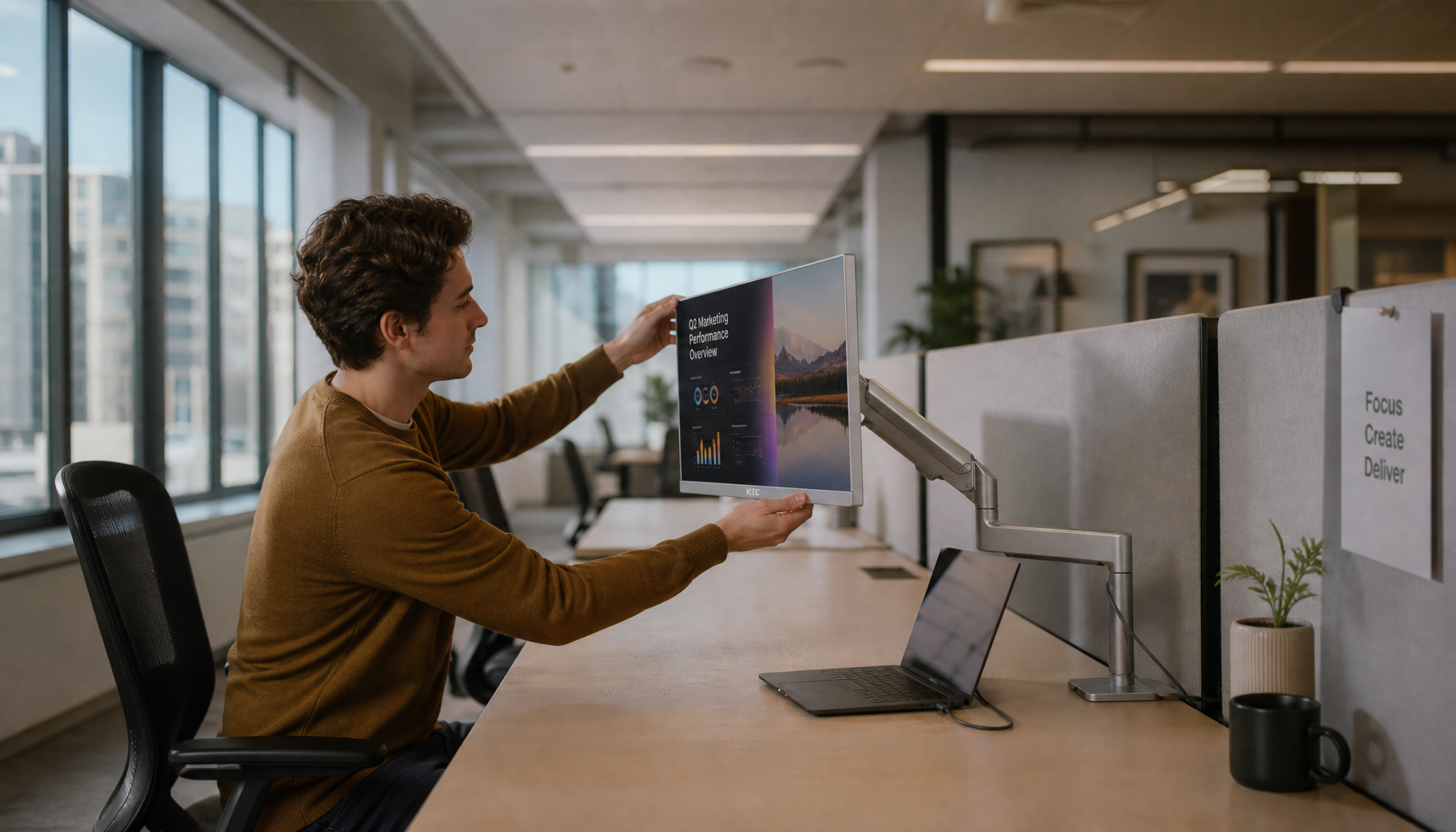
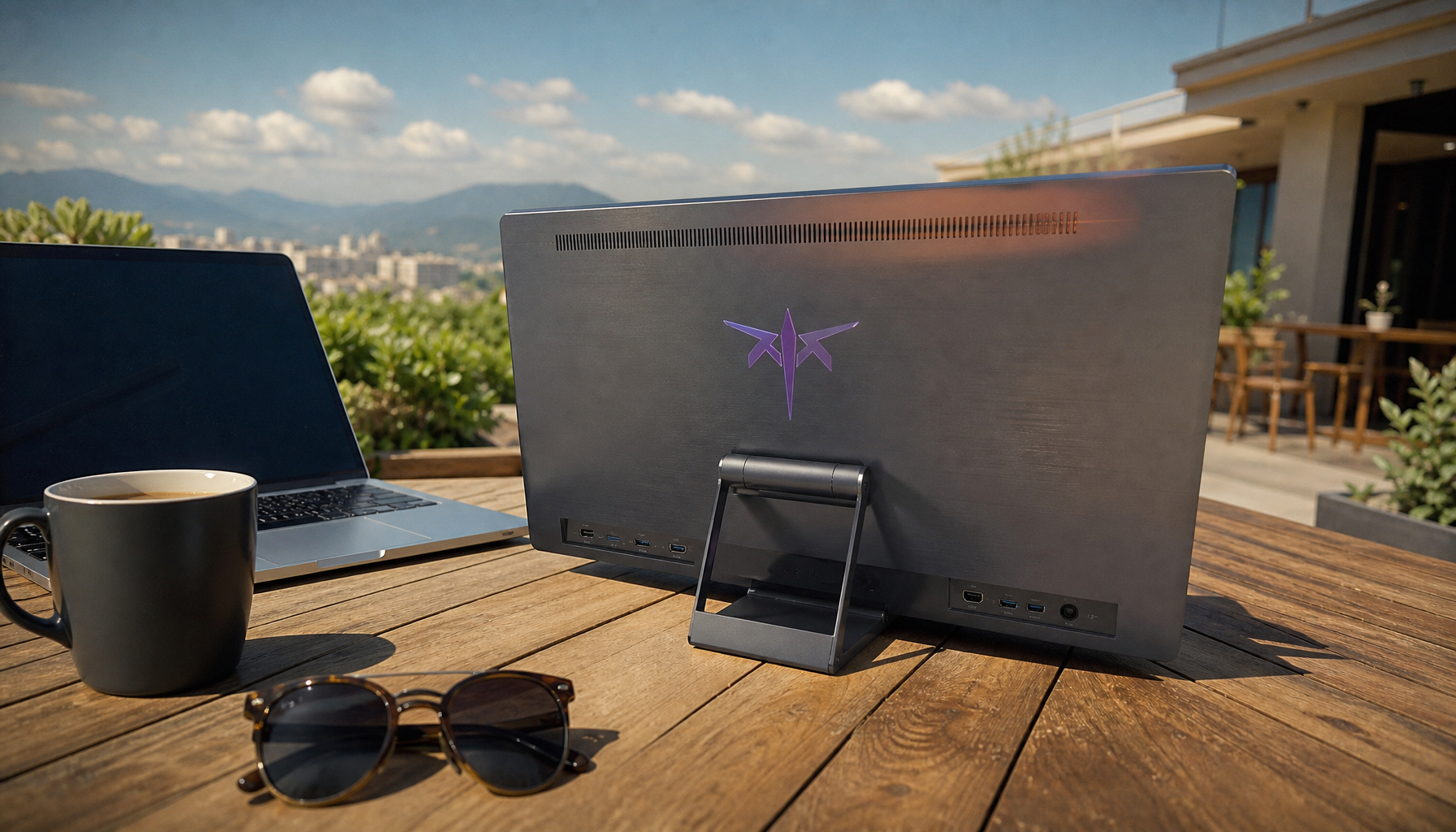
The featured A32Q7 Pro 32-inch 4K mobile touch display fits this article as a neutral example of a shared-room screen, not as proof of privacy features. It is a 32-inch 4K mobile touch monitor with Google EDLA Android 13, Wi-Fi 6, Bluetooth 5.2, 8GB RAM, 128GB storage, a battery, wheels, and adjustable height. That makes it the kind of device a family might place in a living room, home office corner, or weekend guest setup.
What matters is the fit, not the spec list by itself. If you want a screen that can roll between rooms and still run touch apps without a separate PC, this kind of device can make sense. If you want a display whose privacy behavior is already obvious at a glance, you still need to verify the actual account and permission menus before buying.
A helpful way to think about it is this: the hardware decides where the screen can go, but the privacy settings decide who can use it and what they can touch. That is why the product should follow the privacy plan, not replace it.
For households that want a broader setup view, the smart home dashboard setup guide covers the room-friendliness side of a rolling screen.
Keep Privacy Settings in Shape Over Time
Privacy on a shared display drifts after real use, so build a short reset habit.
- Check sign-ins after guests leave.
- Review recent apps and home-screen notifications.
- Confirm that child settings still match the current routine.
- Recheck app permissions after updates.
- Remove any guest access path you no longer need.
- Review casting, sharing, and install prompts after the screen changes hands.
The easiest setup is the one you can maintain without thinking about it every day. If the routine feels too complicated, simplify it. A family display that is easy to reset is usually safer than one packed with controls nobody remembers to revisit.
FAQs
How Do I Set Guest Access on a Shared Smart Display?
Use the lightest temporary access option the device supports, then remove it after the visit. If the display offers a guest path, treat it as a short session, not a standing profile. Before you hand it over, hide personal apps and check whether notifications are visible on the home screen.
What Settings Should Parents Check First on a Family Smart Display?
Start with sign-ins, user profiles, and guest access, then move to app permissions, notifications, and purchase prompts. If the device is for a child, add Family Link or the equivalent child-account controls after the basic account split is in place.
Can a Smart Display Separate Child and Adult Use?
Sometimes, but not always in the same way across brands. The safest assumption is that separation may exist through profiles, supervised accounts, or app-level restrictions, and that you should verify the exact behavior on the device you plan to buy.
Why Does a Shared Display Need Both Account and App Controls?
Account controls decide who can enter the session. App controls decide what that signed-in person can open, share, or expose. If you only set one layer, the other layer can still leak more than you expected.
Can One Smart Display Handle Work, Kids, and Guests Without Mixing Data?
It can be managed more safely when you separate accounts, keep guest use temporary, and check permissions after updates or houseguests. Still, no setup guarantees perfect separation, so the best goal is to reduce exposure and make cleanup easy.
Final Takeaway
The best smart display privacy settings for families are the ones that separate people first and permissions second. Start with profiles or guest access, then tighten app, notification, and child-account controls. If a setting is unclear, verify it in the device menus or support docs before you rely on it. Keep the setup simple enough that your family will actually maintain it.