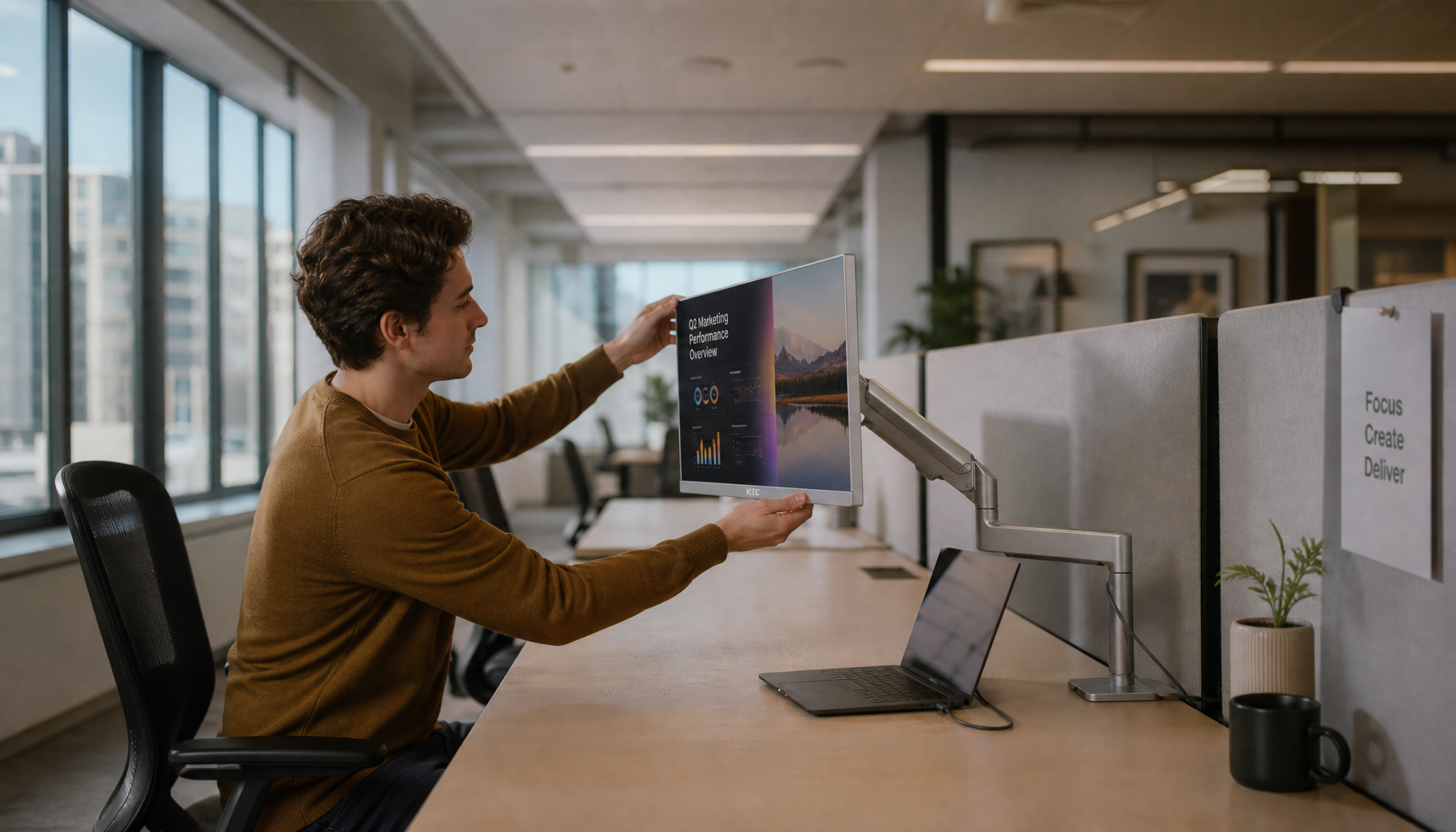
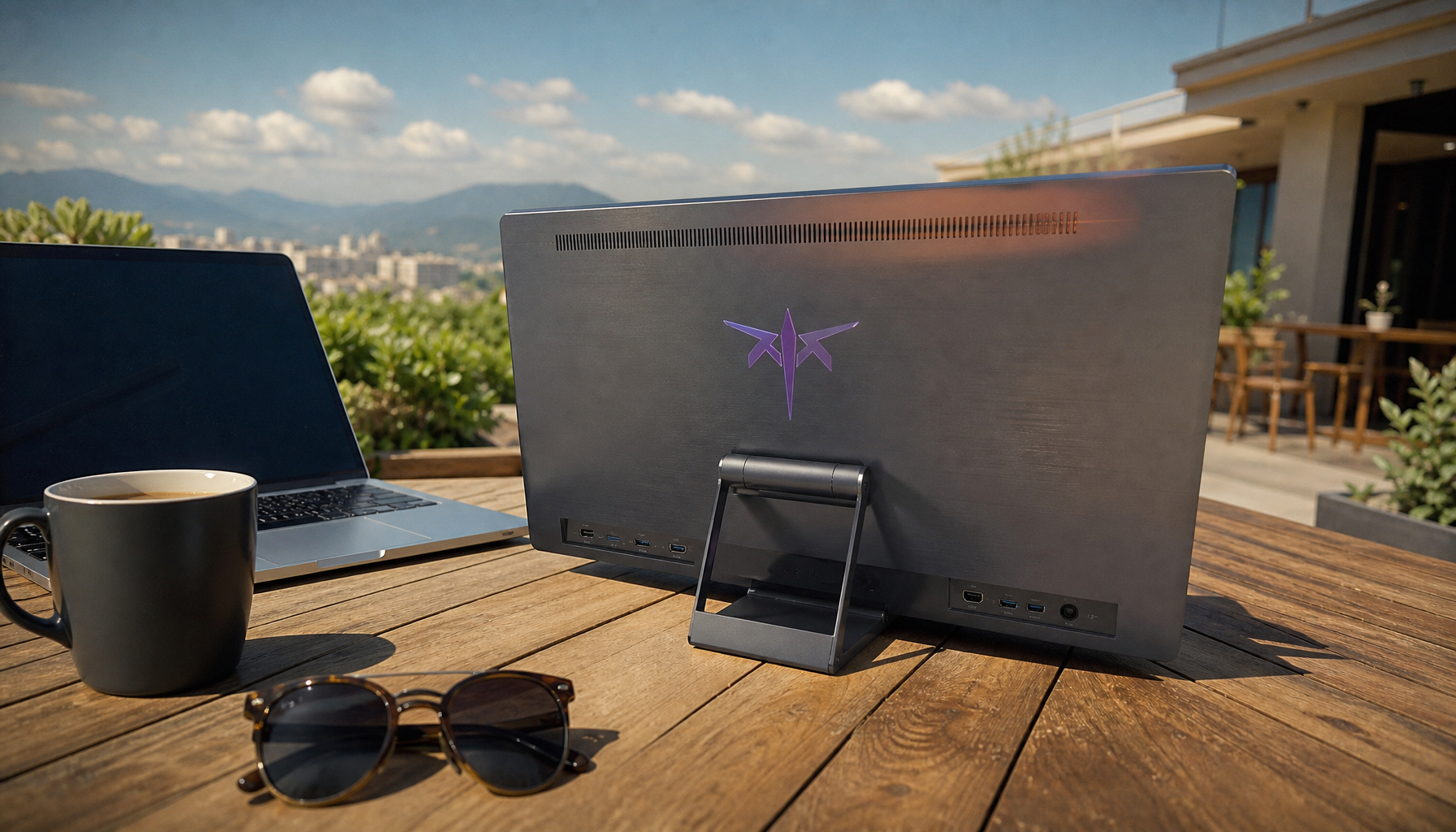
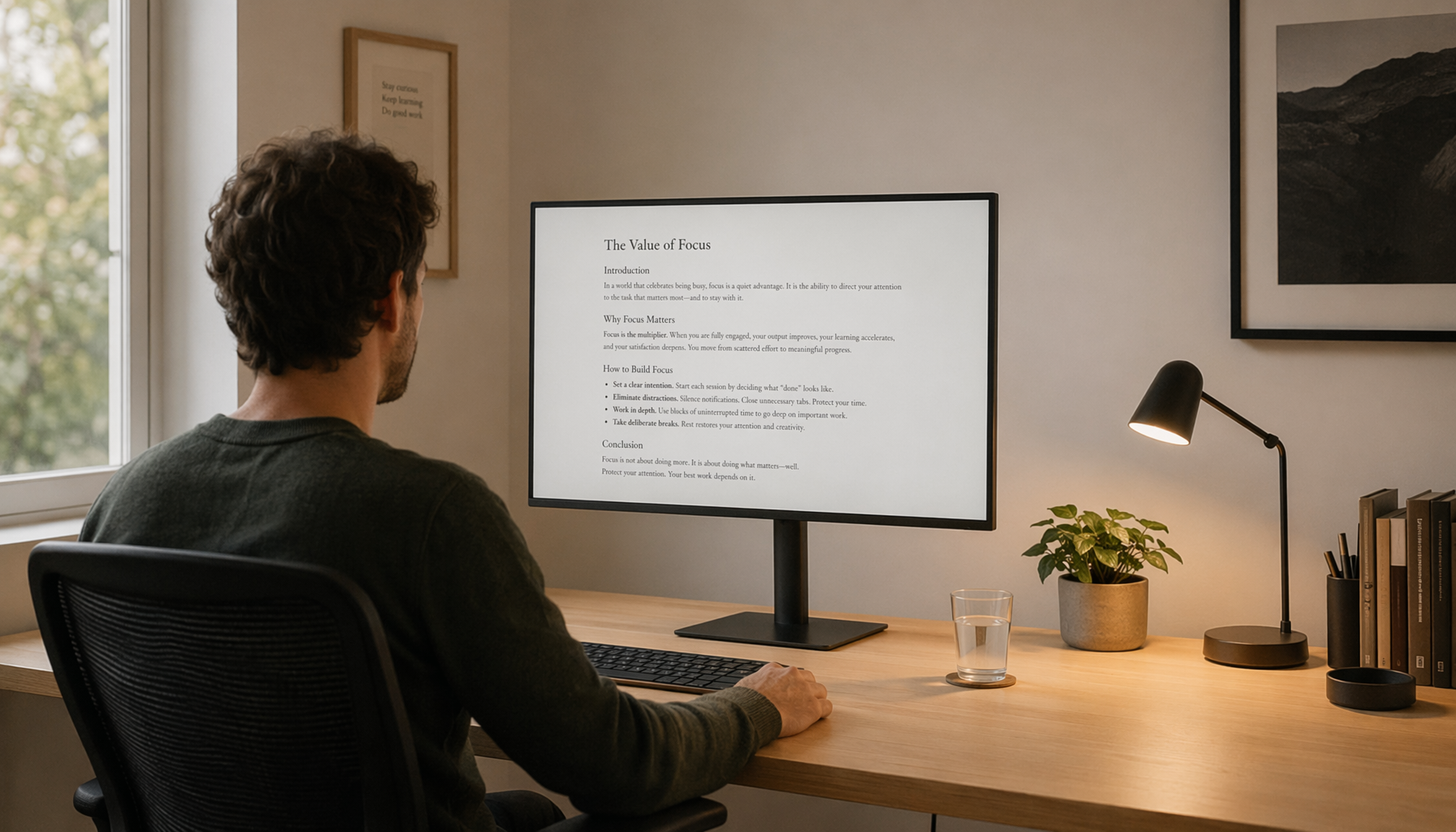
Use Picture-in-Picture as a small, always-visible notification window while your main screen stays dedicated to streaming, gaming, or presentation work. The cleanest setup uses separate inputs, predictable window zones, and alerts placed where they will not cover chat, captions, menus, or gameplay HUDs.
Ever miss a critical work message, community alert, or stream event because full-screen content swallowed the rest of your desktop? In practical hybrid-desk setups, keeping alerts visible in a small corner window reduces app-switching without forcing you into a full dual-monitor layout. You get a reliable PiP layout that keeps work notifications visible while your stream stays clean and immersive.
What Picture-in-Picture Actually Does
Picture-in-Picture, often shortened to PiP, keeps one feed visible as a smaller inset while the rest of the display remains available for another task. The core idea is old enough to trace back to TV implementations, but the modern version now spans computers, cell phones, browsers, streaming tools, and hybrid monitors. Picture-in-picture is especially useful when one feed matters but should not dominate your whole screen.
For a streamer or hybrid worker, the main picture is usually your full-screen game, live broadcast preview, editing timeline, or entertainment app. The small picture should be limited to urgent signals: work notifications, go-live alerts, meeting pings, calendar reminders, or a compact chat panel. If the small window becomes a second workspace, it stops being PiP and becomes clutter.
Pick the Right PiP Method for Your Hybrid Display
Hardware PiP on the Monitor
Hardware PiP uses the monitor’s own display processor to show two inputs at once, such as a desktop PC over DisplayPort and a work laptop over USB-C or HDMI. This is the most reliable option when you need separation between personal streaming and work notifications, because each device keeps its own operating system, account state, and notification rules.

A strong hybrid desk typically starts with separate inputs, power delivery, and clean cable routing. A hybrid workspace should support work ergonomics by day and gaming comfort by night. For example, your gaming PC can own the main 1440p or 4K canvas while your work laptop feeds a small PiP window in the upper-right corner for messaging, email, or calendar alerts.
The catch is control. Many monitors let you choose PiP size and corner position, but not always fine-grained scaling. If the PiP window covers a game minimap, stream chat, or subtitle line, move it immediately. Teaching and video-layout guidance consistently warns that a PiP window should avoid essential content and captions, along with the top-left reading path for English viewers.
Browser or App-Based PiP
Browser and app PiP is better when your notification feed lives inside one web app. Newer Document Picture-in-Picture models can place more than a basic video in an always-on-top window, and the Document Picture-in-Picture API is designed for custom controls, meetings, productivity tools, and other non-video interface elements.
This matters because traditional video PiP is too limited for many work-notification dashboards. A browser-based task board, lightweight chat view, or alert console may need buttons, scrollable content, or readable text. If your browser or web app supports it, Document PiP can be more useful than a tiny mirrored monitor input.
On smart screens or tablets, PiP is more app-dependent. System PiP shrinks supported content into a floating window, and users typically enable it per app through system settings. That makes it useful for a portable smart screen beside your main display, but less predictable than monitor-level PiP for work-critical alerts.
Stream Alert Overlays
If you are monitoring stream events rather than private work notifications, use streaming app browser overlays instead of forcing those alerts through monitor PiP. Common alert workflows do not require a plugin; an alert provider generates the URL you paste into a browser overlay.
This distinction matters. Viewer follows, subscriptions, donations, and chat boxes belong in the broadcast scene if you want the audience to see them. Private work messages, calendar reminders, and internal notifications should stay out of streaming scenes and live only in your monitor PiP, operating-system notification area, or a private second display.
Build the Layout Before You Go Live
Choose the Main Screen Zone
Start with the content that cannot be compromised. For gaming, that is the HUD, minimap, crosshair area, cooldown bar, subtitles, and stream-safe overlays. For productivity streaming, it may be the document canvas, spreadsheet headers, timeline controls, or presentation notes.

On a 27-inch or larger display, the cleanest PiP placement is usually upper right or lower right, because the center remains visually pure and the left side often carries navigation, menus, or reading flow. Multi-monitor setup guidance recommends extended desktop behavior, matched resolution where possible, and comfortable positioning because dual-monitor setups are most productive when they reduce window hunting rather than create new friction.
A practical example: if you stream a game with a top-left kill feed and a bottom-left chat overlay, put work notifications in the upper right at the smallest readable size. If your game uses an upper-right minimap, move PiP to the lower right and reserve a fixed scene margin so nothing collides.
Keep Notification Content Ruthlessly Small
The PiP window should answer one question: “Do I need to react now?” It should not tempt you to read long threads during a stream. Use notification previews, a compact inbox, a calendar agenda, or a filtered chat channel rather than a full workplace dashboard.
A useful alert pattern is to define the channel, permissions, event type, filters, and cleanup behavior before you depend on notifications. For live communities, alerts can be filtered by game or title, which is the same discipline you want for work PiP: only important signals should be allowed into the small window.
For a real setup, create a “Live Monitoring” workspace in your work app with only urgent channels visible. Turn off casual channels, marketing emails, low-priority calendar nudges, and social notifications. If the PiP window lights up every minute, you have built a distraction engine, not a command center.

Use Display Distance and Ergonomics to Protect Focus
A PiP window that is technically visible can still be unusable if it is too small or too far away. Monitor ergonomics guidance commonly places screens about 20 to 30 inches from the eyes, with the main viewing area aligned to reduce neck strain. A multi-monitor setup works best when the display arrangement supports the body, not just the software.
For a 32-inch 4K hybrid monitor, a small PiP window can be readable at normal desk distance if the notification app uses large preview text. On a 24-inch 1080p screen, the same PiP size may force squinting. In that case, use operating-system notifications on the main desktop, a portable smart screen, or a true second monitor rather than shrinking your work feed into an unreadable box.
Recommended Setup for Streaming Plus Work Notifications
Connect Inputs Cleanly
Use the highest-bandwidth input for your main stream or game machine, usually DisplayPort for a gaming PC or USB-C/Thunderbolt for a laptop that also needs charging and data. Put the notification device on the secondary input, such as HDMI or USB-C from a work laptop, tablet, or compact smart screen device.
Then open the monitor’s on-screen display and enable PiP rather than picture-by-picture if your goal is monitoring. Picture-by-picture splits the canvas and reduces immersion; PiP preserves the main view while adding a small secondary signal. If your display supports input-specific presets, keep your gaming input on a low-latency or high-refresh profile and your work input on a neutral, text-friendly profile.
Configure the Notification Device
On the notification device, open only the apps you are willing to see while live. Set work messaging to compact mode if available. Increase notification text size enough to read at a glance. Disable screen savers, auto-sleep, and lock-screen timeouts for the duration of the stream only, then restore normal security settings afterward.
If the notification device is a phone or smart screen, confirm PiP support per app before relying on it. A supported app can keep video, navigation, or call content floating, but supported content varies by app and operating system release. For work notifications, a laptop or browser window is usually more predictable than a phone-based PiP stack.
Test With Real Alerts
Do not test PiP with an empty desktop. Send a real work message, trigger a calendar reminder, and run a test stream alert. In your streaming app, test the alert browser overlay before going live so the broadcast side is confirmed independently from the private PiP side. Stream alerts should be positioned, sized, and saved in the target scene before you depend on them.

Run a five-minute full-screen rehearsal. Move through the game menu, pause screen, stream dashboard, and any work app notification state. If the PiP hides a Save button, report menu, captions, comments, or a key HUD element, move it or shrink it. The best PiP layout is not the one that looks clean on the desktop; it is the one that survives real overlays, pop-ups, and motion.
Pros and Cons of PiP Notification Monitoring
Approach |
Best For |
Strength |
Tradeoff |
Monitor hardware PiP |
Separate work laptop plus streaming PC |
Strong privacy separation and low app dependence |
Limited sizing and placement on some displays |
Browser Document PiP |
Web dashboards, meetings, compact tools |
Can support controls and custom UI |
Requires browser and site support |
Smart screen PiP |
Portable side monitoring |
Flexible and easy to move |
App support and notification behavior vary |
Streaming app browser alerts |
Public stream events |
Built for audience-facing overlays |
Not suitable for private work notifications |
Troubleshooting the Common Failure Points
The PiP Window Covers Important Content
Treat PiP placement like overlay design. Move it away from minimaps, captions, chat, menus, and any top-left reading path. Add a simple border if the PiP blends into the main content, but avoid animated frames or oversized decoration because the small window should clarify, not compete.
Notifications Do Not Appear Reliably
Check notification permissions on the device first, then app-level notification settings, then focus modes. If you are using server alerts, verify that the bot or integration can view the channel, send messages, embed links, attach files, and mention the right roles. Notification channel permissions are a common reason alerts fail silently.
Input Switching Feels Slow
That is normal on many hybrid monitors. When a display changes input, it may renegotiate resolution, refresh rate, HDR, adaptive sync, audio, and USB routing. PiP is valuable because it avoids full input switching during the stream; you should not need to jump between work and play modes just to confirm whether a notification matters.
Text Is Too Small
Raise scaling on the notification device, use a compact app view with larger preview text, or increase PiP size until you can read a sender name and the first few words without leaning forward. If that makes the inset too large, the honest fix is a second display or portable smart screen, not a smaller font.
FAQ
Can I use PiP instead of a second monitor?
Yes, if your notification workload is light and time-sensitive. If you need to read long messages, manage tickets, compare documents, or respond frequently, a second monitor or portable smart screen is more comfortable.
Should work notifications appear on my stream?
Usually no. Keep private work alerts outside streaming scenes and away from captured display regions. Use browser overlays only for audience-facing alerts such as follows, subscriptions, donations, and chat events.
Is PiP better on an ultrawide monitor?
Often, yes. An ultrawide gives you more horizontal room, so a small notification window can sit at the edge without crowding the main view. The same rule still applies: if it covers essential content, it is in the wrong place.
A hybrid display earns its place when it lets you stay immersed without going blind to important signals. Put the stream first, make the notification window small but readable, test with real alerts, and keep private work content out of the broadcast path.