The KTC monitor first week checklist is simplest when you follow the same order a problem would show up: unbox, inspect, power on, test inputs, then tune the picture. That gives you the best chance to catch shipping damage or an early defect while the 30-day return window is still open and the 48-hour damage-report window is still fresh.

What to Check on Day One
Start with the parts you can verify in under 10 minutes: box condition, panel face, frame, stand, cables, and accessories. If the carton is crushed, torn, or punctured, photograph it before you throw anything away. KTC's policy says suspected shipping damage should be reported within 48 hours of delivery, so day one is the safest time to make notes and keep the packaging.
Use this quick pass:
- Check the outer box for dents, water marks, punctures, and corner crush.
- Inspect the panel surface for scratches, chips, pressure marks, or dust that looks trapped.
- Confirm the stand, screws, power cable, and video cable are all present.
- Look over the frame and ports for looseness, bent pins, or obvious fit issues.
- Take a few photos before setup so you have a clean baseline if you need support later.
If you bought extra purchase protection, this is also the time to make sure the order details are saved in case you need them. It is not a substitute for checking the monitor itself, but it can help if you later need a clearer claims path for an eligible order.

Inspect the Panel and Frame
The most useful KTC monitor first week checklist test is a slow visual inspection under a few solid backgrounds. Use black, white, red, green, and blue fills, then scan the panel corner to corner. That method is a practical way to spot dead or stuck pixels without pretending one pattern can prove every hidden issue.
KTC's official FAQ says a qualified product has fewer than 5 bad pixels, which is a useful expectation-setting anchor rather than a promise that every unit below that line will look perfect. A single bright dot, especially near the edge, is worth noting, but it is not the same as a broad panel failure.
Screen Surface and Dead Pixel Check
Use full-screen solid colors and pause long enough to inspect the center, edges, and corners. If you see a dot that stays fixed across several colors, photograph it and note where it sits. Repeat the test once after the monitor has warmed up, because tiny visual distractions are easier to miss on a first glance. For reference, ISO 9241-307 describes display test methods for electronic visual displays, which is useful background when you are doing a basic consumer check.
Backlight Uniformity and Glow Check
This is where a lot of first-time owners overreact. Backlight bleed usually stays fixed near the edges, while IPS glow changes with viewing angle. Move your head slightly, then compare the corners again. If the bright patch shifts as you move, that leans more toward glow than a defect. If it stays pinned to one spot, document it and compare it across inputs before deciding what to do.
Frame, Stand, and Port Inspection
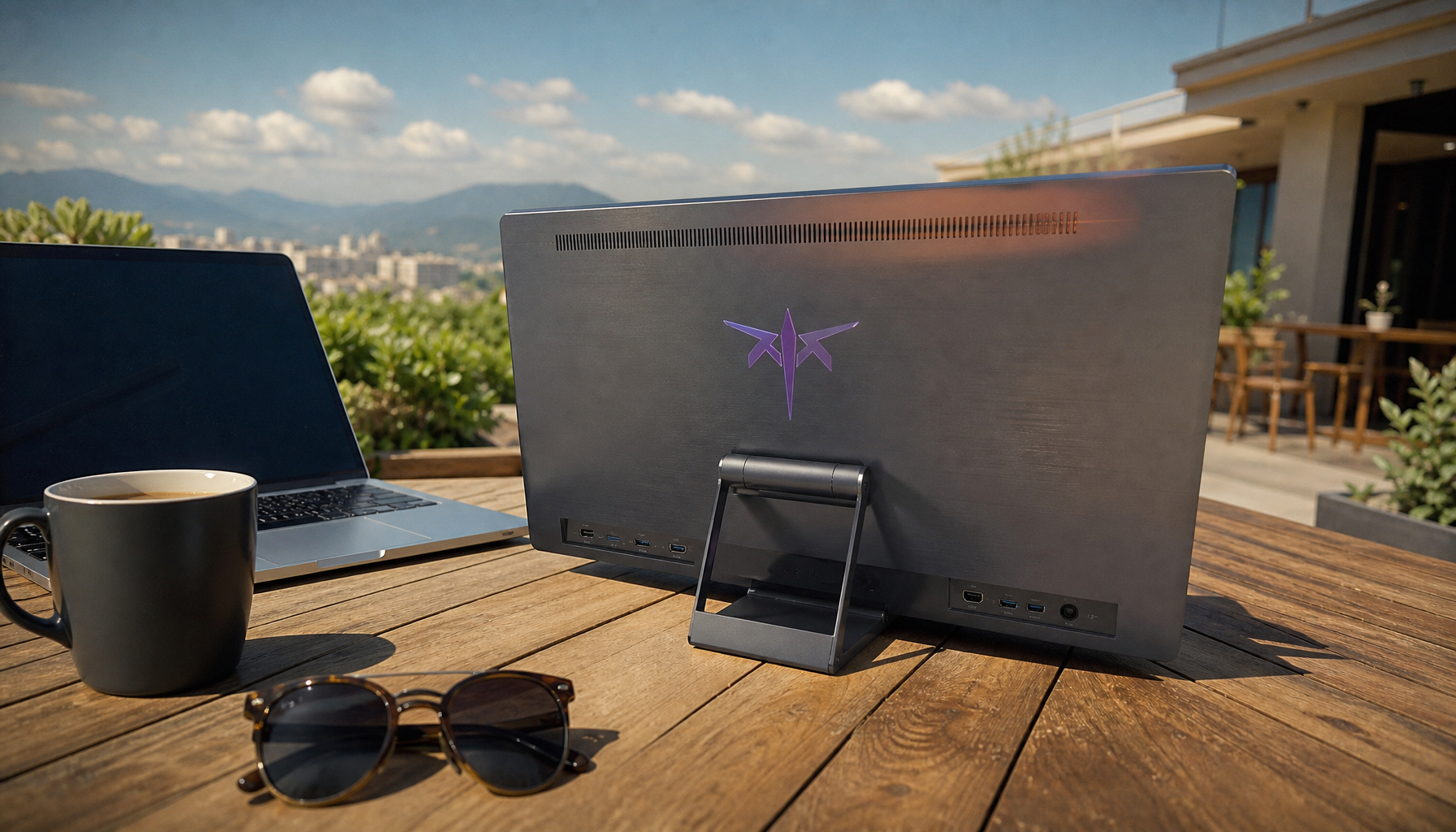
Check whether the stand locks cleanly and the monitor sits straight without wobble. Then inspect HDMI, DisplayPort, and power connections for loose housings, bent pins, or a cable that never quite seats properly. If the screen bezel looks uneven or the frame flexes more than expected, keep that note separate from pixel or brightness concerns. That makes support conversations easier later.
For owners who want to clean off dust or smudges during inspection, a safe screen-cleaning method matters more than any fancy polish. Keep it light, and do not turn a surface-cleaning issue into a screen-damage issue.
Verify Power, Inputs, and Settings
A monitor can look defective when the real issue is a cable, port, or source setting. That is why the next step in the KTC monitor first week checklist is to verify power-on behavior, OSD navigation, and the exact input path you plan to use every day. If the unit wakes normally, responds to the menu, and switches inputs cleanly, you have already ruled out several common setup problems.
Test the monitor with the same cable and port you intend to use for your PC, console, or laptop. If signal drops appear, do not assume the panel is bad right away. KTC notes that intermittent loss of signal can come from the cable, port, refresh rate, or drivers, which is why one input working and another failing does not automatically point to a display defect.
First Power-On and OSD Check
Confirm the screen turns on without repeated blackouts or menu glitches. Move through brightness, contrast, and preset changes so you know the control path is working. If the OSD feels delayed, the buttons do not register, or the monitor keeps falling back to the wrong source, that is worth documenting before you move on.
Cable, Port, and Input Recognition
Use the connection you plan to keep using, not just the easiest spare cable in the box. Then confirm your source device reports the expected resolution and refresh rate. If the monitor negotiates a lower mode, the issue may be in the cable, adapter, or port choice rather than the panel itself. For a deeper look at those symptoms, KTC's signal-drop troubleshooting notes are a useful follow-up.
Firmware and Menu Reset Check
If you update firmware or perform a factory reset, recheck Game Mode, refresh rate, and sync options afterward. That is a setup check, not proof that everything is perfect. A reset can change defaults in ways that affect lag, motion, or source behavior, so it is better to verify the settings you actually care about than to trust the menu state blindly.
If you notice input lag after a reset or update, the right next step is not to guess. KTC's firmware and lag reset guide is a sensible place to confirm which settings are worth rechecking.
Run a Basic Image Quality Test
Use a quick comparison pass instead of trying to build a lab. The goal is to see whether the monitor looks normal in the kinds of tasks you will actually do: reading text, moving windows, playing games, and watching video. This section of the KTC monitor first week checklist is about catching obvious problems, not proving reference-grade accuracy.
| Test | What To Look For | What Usually Looks Fine In Week One | When To Escalate |
|---|---|---|---|
| Uniform color patch | Obvious blotches, bright spots, or distracting tint shifts | Mild variation that is hard to see in normal use | A fixed patch that stays visible on multiple backgrounds |
| Text clarity | Fuzzy edges, odd fringing, or scaling mistakes | Sharp text at your chosen OS scaling and resolution | Text that stays blurry after confirming resolution and cable |
| Motion check | Smearing, stutter, or unexpected tearing | Smooth motion at your intended refresh rate | Motion issues that repeat after checking the right input and refresh setting |
| Brightness and comfort | A picture that feels too dim or too harsh in your room | A setting that feels comfortable during normal desk use | Brightness that remains uncomfortable after small adjustment |
Use the table as a practical filter, not a scorecard. If a problem only appears on one input or one device, that points more toward setup than panel quality. If it appears across inputs, on solid backgrounds, and during ordinary use, the case for support gets stronger. For more structured return-prep thinking, Monitor Return Checklist: What to Test Before Your Window Closes is a helpful external reference.
Calibrate for Everyday Use
Light calibration should make the monitor easier to live with, not turn it into a hobby project. Start with brightness that fits your room, then choose the picture mode that best matches your mix of games, browsing, video, or work. If the image already feels comfortable, you usually do not need to push settings further just because a menu option exists.
For most owners, the useful question is simple: does the monitor look balanced in your real setup? If the answer is yes, leave it alone. If the answer is no, adjust one setting at a time so you can tell what actually changed. That is especially helpful on value monitors, where the goal is solid everyday use rather than perfection-chasing.
Brightness and Eye Comfort Setup
Set brightness for the room you actually use. A setting that looks fine in a dark demo room may feel harsh at night or washed out in daylight. If you work at the same desk for long stretches, comfort matters more than squeezing the last bit of contrast from the panel.
Color, Contrast, and Picture Mode Tuning
Keep the picture mode simple at first. If you want a more accurate look, compare the screen against content you already know well instead of guessing from memory. KTC's own discussion of hardware vs. software calibration is useful here: software changes the signal from your device, while hardware calibration changes the display behavior itself.
Daily-Use Check Before Keeping It
Use the monitor for a few real sessions before you decide it is done. Games, video, spreadsheets, and a browser window can reveal issues that a static test misses. If the panel feels stable, the stand stays put, and the inputs behave, you probably have enough evidence to keep it. If not, keep documenting the symptom before the window gets tighter.
Decide Whether to Keep, Exchange, or Return
The cleanest support decision is the one based on repeated evidence, not frustration. Repeat the symptom, compare at least two inputs if you can, and save the photos or videos that show the issue clearly. KTC's support guidance asks for an order number, a photo of the serial label, and clear photos or videos on solid backgrounds, so gathering those early saves time later.
- Repeat the test once or twice under the same conditions.
- Compare another cable, port, or source device if the issue might be connection-related.
- Save photos or video that show the symptom clearly on a plain background.
- Gather your order number and serial label photo.
- Contact support or start the return process while the packaging is still easy to use.
KTC's warranty and support verification guide is a useful follow-up if you want to confirm the escalation path before you send anything. The first week is the right time to act, because it is still easy to document the problem and repack the unit if needed.
FAQs
How Long Should I Test a New KTC Monitor Before Deciding to Keep It?
The first 3 to 7 days are usually enough to catch shipping damage, obvious pixel issues, and setup problems. That gives you time to use the monitor in real tasks while the return window is still easy to manage and the packaging is still nearby.
What Is the Fastest Way to Check for Dead Pixels on a New Monitor?
Use full-screen solid colors, then scan slowly from corner to corner. Black, white, red, green, and blue are the most useful starting points. Repeating the test on more than one background helps you avoid mistaking dust, glare, or temporary distractions for a real pixel defect.
Can a Monitor Look Fine on One Port but Fail on Another?
Yes. A monitor can work on one input and fail on another because the cable, adapter, port, refresh rate, or source settings differ. That is why it helps to test the connection you plan to use every day before you blame the panel itself.
Why Should I Recheck Settings After a Firmware Update or Factory Reset?
Updates and resets can restore defaults or change how the monitor handles signals. After either one, recheck Game Mode, refresh rate, sync options, and any picture preset you actually use. That keeps a small settings change from becoming a false alarm.
Can Basic Calibration Fix a Monitor That Looks Off?
It can improve brightness, comfort, and the overall look, but it cannot fix a real panel defect. If the issue stays fixed across inputs, backgrounds, and normal use, calibration is probably not the answer. At that point, support or return steps make more sense.
Final Takeaway
A good KTC monitor first week checklist is short, repeatable, and honest about what it can prove. Inspect the box and panel first, verify inputs and settings next, then use simple image tests to decide whether you have a setup issue or a support-worthy defect. If something looks wrong, document it early and act while the return window is still convenient.