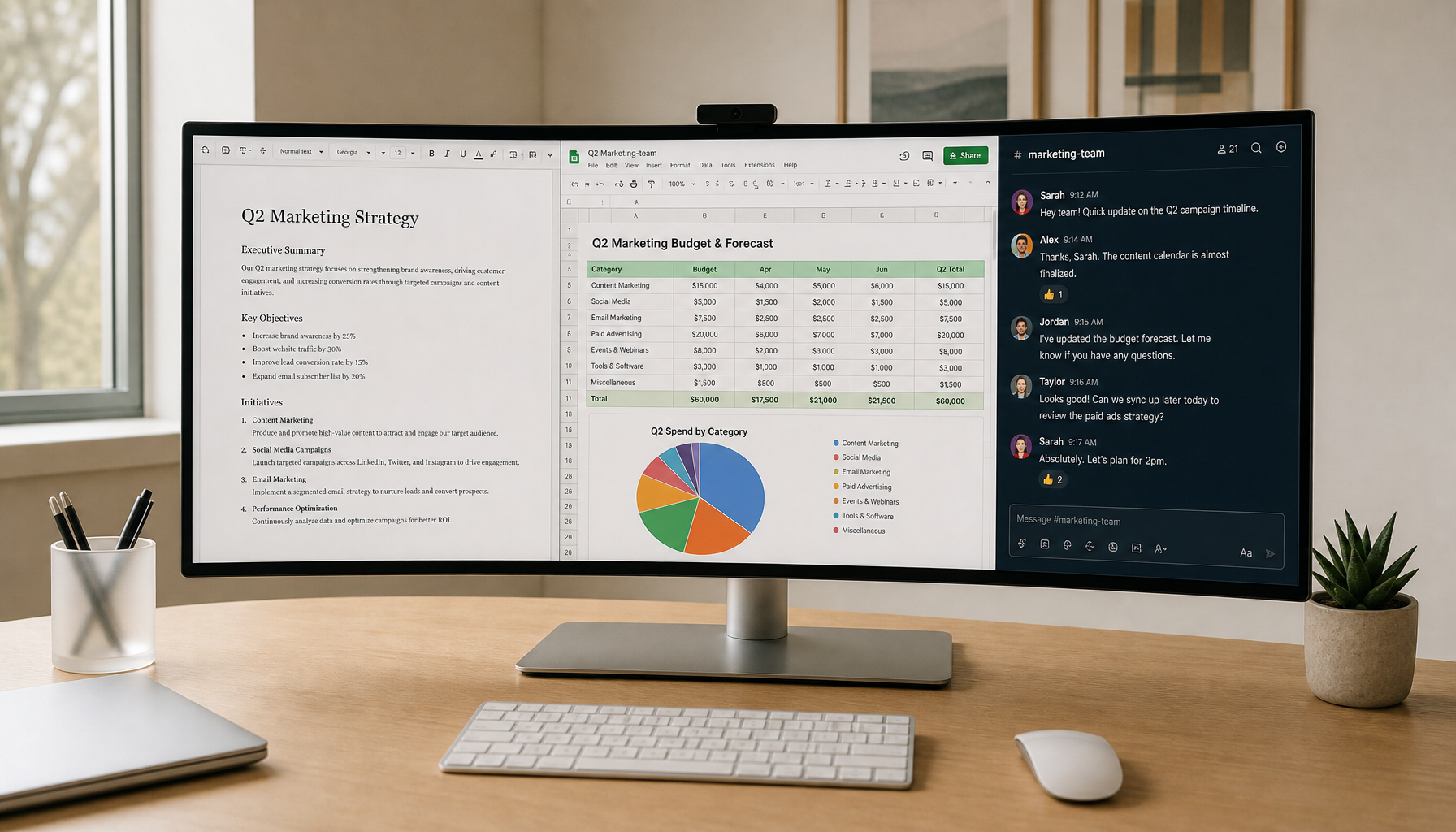
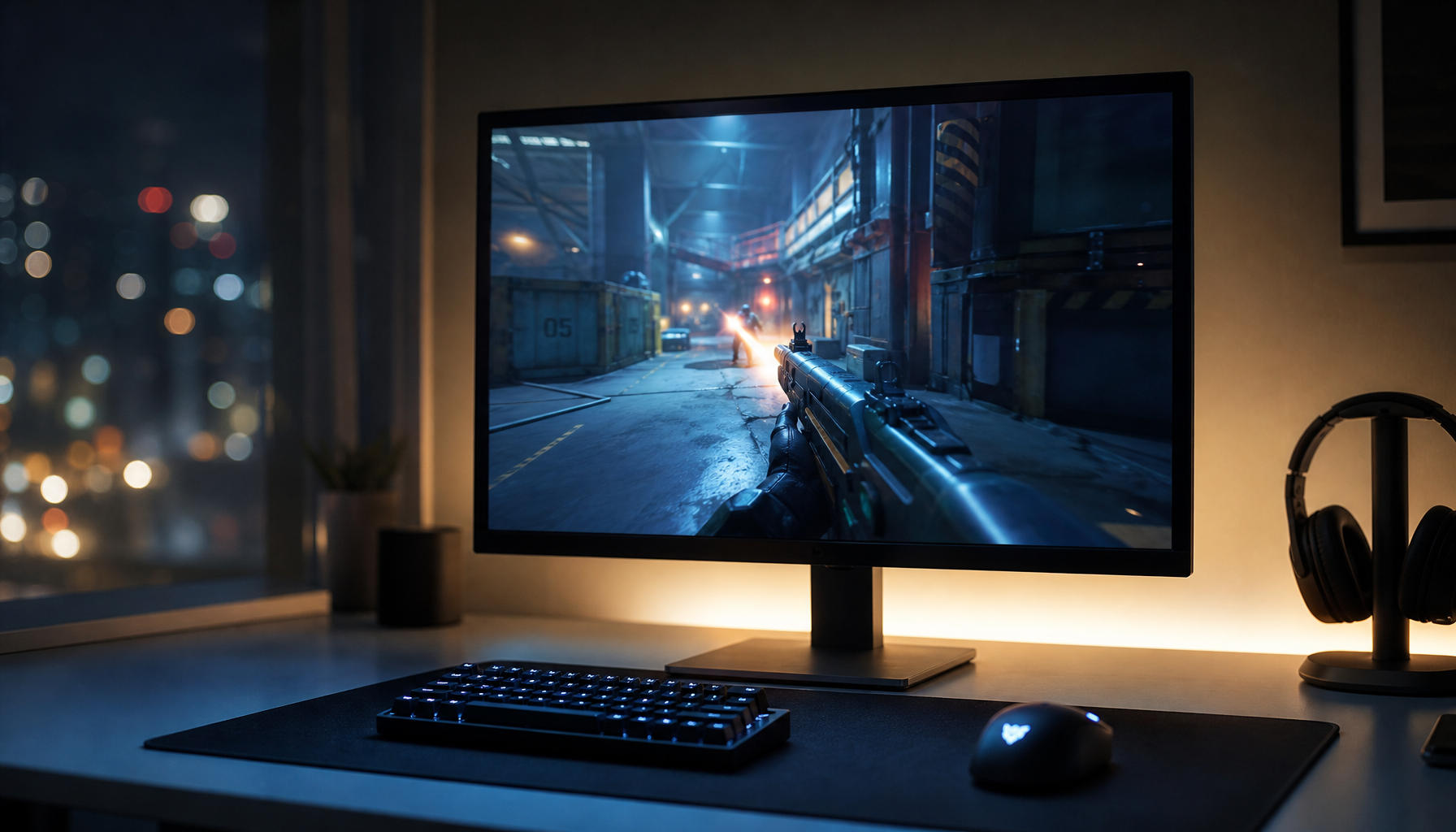
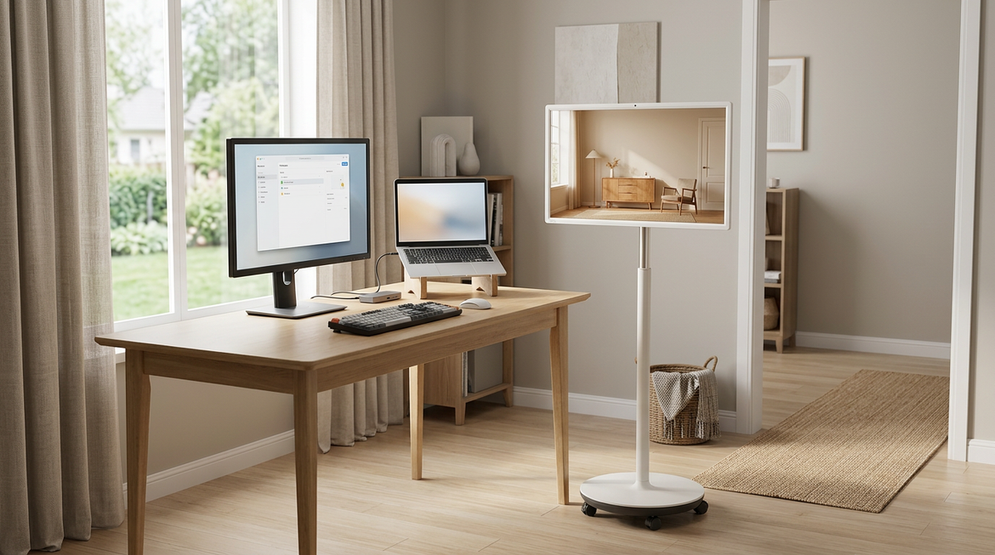
OEM monitor value vs premium brand tradeoffs usually favor OEM monitors on specs per dollar, while premium brands win on buying confidence, support simplicity, and less post-purchase hassle. For a US buyer weighing a 27-inch or 32-inch screen over 3+ years, the better deal is the one that fits your tolerance for returns, downtime, and setup work, not just the lowest sticker price.

What OEM Value Usually Covers First
OEM value usually starts with stronger specs per dollar, not a better retail experience. That means the first comparison should be panel type, resolution, refresh rate, HDR behavior, and stand ergonomics before you focus on logo or storefront polish. In monitor buying, the details that affect daily use most are usually the ones you can verify on the spec sheet.
For many mixed gaming-and-work desks, the real split is between 1440p and 4K, especially once you get into 27-inch and 32-inch sizes. If you want a broader buying frame for that decision, the spec-per-dollar framework helps explain why factory-direct pricing can look unusually strong even when the panel class is competitive.
Panel and Feature Parity Comes Before Brand
Once the basics are aligned, the next question is whether OEM and premium-brand monitors are actually different where it matters. Often they are closer than buyers expect on refresh rate, resolution, and panel class in the same price band. Color claims deserve extra care, though, because coverage, gamut volume, and factory calibration do not always mean the same thing.

That is why calibration language should be read as a verification question, not a vibe. Standards such as ISO 9241-307 show that display quality can be described against formal criteria, but a brand-level promise still matters less than a model-specific report. For buyers who care about out-of-box accuracy, our factory calibration guide is a useful next step.
Where Premium Brands Still Tend to Win
Premium brands often win on buying confidence. That advantage can show up in a familiar retail experience, easier comparison shopping, and a smoother path if you decide to exchange the monitor quickly. A slightly better retail ecosystem can matter more than a minor spec edge when you expect to test, compare, and possibly return the screen.
This is also where support polish and firmware experience can influence satisfaction, even if they are hard to judge before purchase. For a deeper look at how brand convenience compares with direct-sale models, see OEM vs. Brand-Name Monitors: A 2026 Reliability & Support Comparison.
Support, Warranty, and Return Friction
Support friction becomes a real cost the moment a monitor is down. The FTC notes that warranty terms, claim steps, and service conditions matter, so it is worth reading the fine print before assuming a longer warranty is automatically better Warranties. The practical questions are simple: Who handles the claim? Who pays shipping? How long does replacement usually take?
That matters even more for a monitor that serves both work and gaming, because downtime hits two parts of your routine at once. A low price can stop looking cheap if the return process is slow or unclear. If you want a shopping-side perspective on how that affects brand value, the Brand Tax Audit: KTC vs. Traditional Retail Giants is a helpful companion read.
Which Buyer Profiles Benefit Most
| Buyer Profile | What Matters Most | OEM-Direct Fit | Premium-Brand Fit | Main Tradeoff |
|---|---|---|---|---|
| Price-conscious gamer | Spec-per-dollar | Often strong if specs match the desk | Usually weaker on value per spec | More self-directed support |
| Hybrid worker | Ergonomics and reliability | Can work well if stand and warranty are acceptable | Often easier to live with | Higher upfront cost |
| Creator who wants calibration confidence | Measurable color consistency | Good only when model-specific calibration is documented | Often easier to trust at purchase | Less price efficiency |
| Buyer who hates support friction | Fast returns and simple help | Riskier unless policy is clearly strong | Often better | Paying extra for convenience |
If you are still narrowing the category, browse our All Monitors, then compare the Gaming Monitor and Office Monitor collections by use case instead of by brand story.
Three-Year Cost Beats Sticker Price
A lower launch price can still cost more over three years if the fit is wrong. Add likely return shipping, replacement delay, and the value of your time if the monitor is your main work-and-play display. Then count convenience features only if they actually reduce setup time or the chance of an exchange.
A practical way to think about it is simple: if an OEM monitor saves money up front but adds stress every time you need support, the premium brand may be the lower-risk purchase. If the OEM option gives you the right panel, the right refresh rate, and acceptable warranty terms, it can be the better long-term value.
The Final Buying Checklist
Before you buy, verify these five things:
- Resolution, refresh rate, and panel type match your actual use case.
- Warranty length is clear, but so are claim steps and shipping responsibility.
- Factory-calibration evidence is model-specific, not just brand-level marketing.
- Return window and shipping terms are good enough that a bad fit will not erase the savings.
- The monitor leaves you comfortable with both the screen and the support path for the next three years.
For shoppers comparing specific desk-friendly options, the KTC 27" 2K 180Hz/1ms 1500R Curved Gaming Monitor | H27S17 and similar models provide concrete starting points.
FAQs
Q1. How Do I Compare Warranty Claims Between OEM and Premium Brands?
Check who handles the claim, who pays shipping, and whether replacement happens before or after inspection. The easiest warranty is not always the longest one; it is the one with the fewest steps and the least downtime.
Q2. What Calibration Proof Should I Look for Before Buying?
Look for model-specific calibration figures, the measurement standard, and a published tolerance such as Delta E. Brand reputation is not a substitute for a visible test method or a clear spec sheet.
Q3. Why Can a Cheaper Monitor Cost More Over Three Years?
Because returns, shipping, downtime, and replacement anxiety can outweigh the initial savings. If the monitor is central to both work and gaming, even one bad support experience can erase the price advantage.
Q4. Can an OEM Monitor Be the Better Work-And-Gaming Choice?
Yes, if you care more about spec-per-dollar than a polished retail experience. The key is accepting a more self-directed ownership experience and confirming the warranty path before checkout.
Q5. What Should I Verify Before Choosing a 27-Inch or 32-Inch Model?
Check desk depth, viewing distance, stand adjustability, and whether 1440p or 4K is the better fit for your use. A monitor that looks strong on paper can still be the wrong size for your desk.
OEM monitor value vs premium brand decisions ultimately hinge on matching panel specs to your workflow while confirming warranty and return terms match your risk tolerance. Verify model-specific calibration data and support steps before purchase to avoid hidden three-year costs.