Mini-LED vs OLED for photo and video editing comes down to how you work, not which panel sounds more advanced. If your desk is bright, your timelines stay open for hours, and the monitor also has to handle email or spreadsheets, Mini-LED is usually the safer fit. If your work is more image-first in a controlled room, OLED can be the more satisfying choice because black-level behavior is stronger.

What Matters in Creator Panel Choice
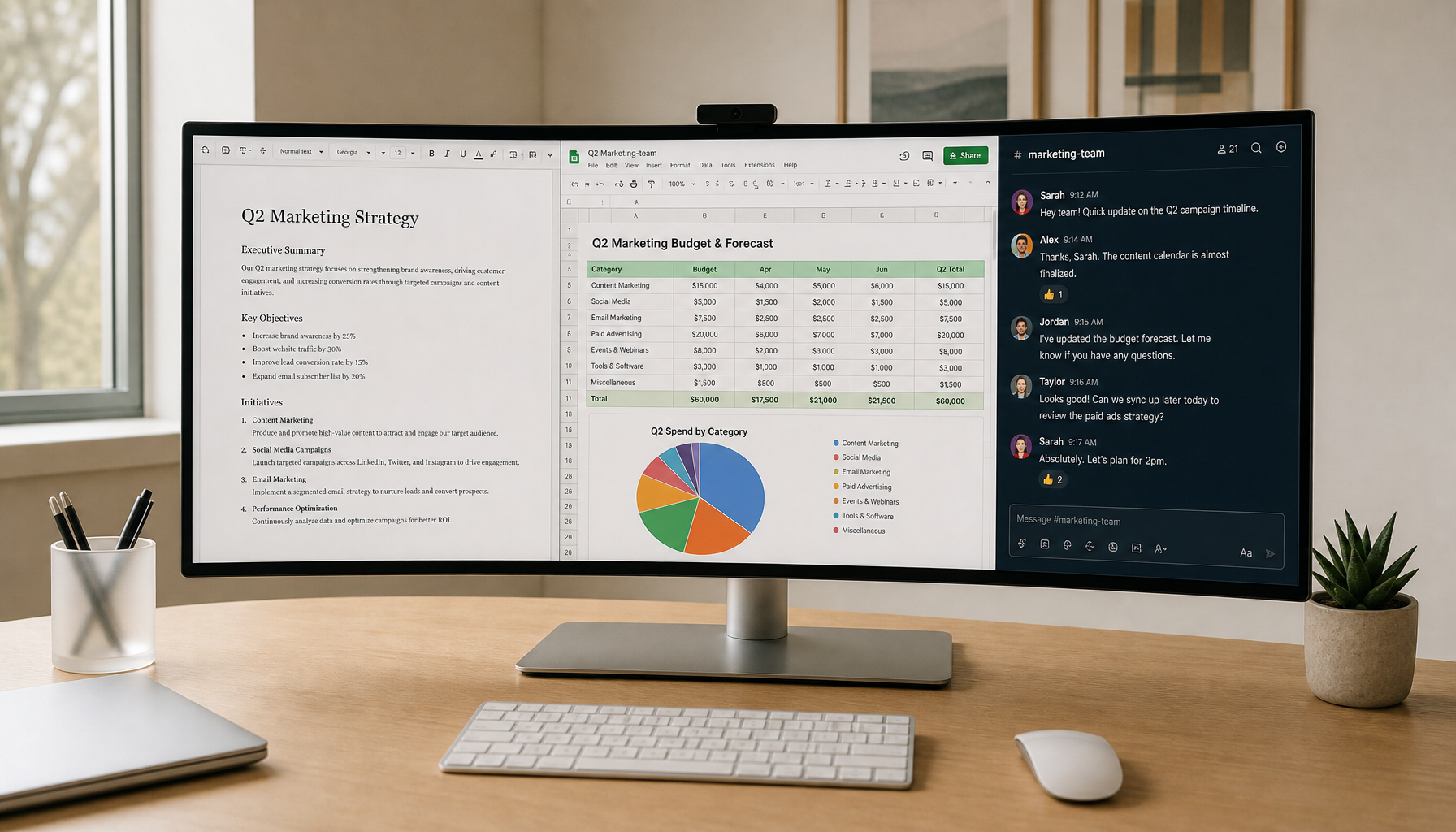
For hybrid editors, the first question is not "Which panel is better?" It is "What kind of editing desk am I actually building?" Mini-LED vs OLED for photo and video editing changes the answer depending on room light, how much time you spend in static interfaces, and whether you care more about bright-room visibility or black depth.
Mini-LED tends to make more sense when the display has to stay usable across a long workday. OLED tends to make more sense when the session is more image-focused and the room is not fighting the picture. That is why the decision should start with workflow, then move to specs.
One useful rule is this: if your monitor spends more time showing toolbars, file browsers, and timelines than full-screen review, favor the panel that is easier to live with all day. If your work leans toward controlled-light grading and dark-scene inspection, OLED becomes more appealing. If you want a broad follow-up on mixed desks, this Mini-LED vs OLED desk guide is a practical companion.
Mini-LED and OLED, Side by Side
| Criterion | Mini-LED | OLED | Creator impact | Watch-out |
|---|---|---|---|---|
| Color volume | Often stronger in bright scenes because it can keep more luminance headroom | Strong color, but its advantage is usually black handling rather than brightness headroom | Matters when judging saturated highlights and HDR footage in a lit room | Do not confuse gamut coverage with color volume |
| Black levels | Very good, but local dimming behavior depends on the monitor | Each pixel turns off, so blacks look cleaner | Useful for shadow inspection and dark-scene review | Dark UI can reveal panel behavior more clearly on Mini-LED |
| Brightness behavior | Usually easier to use in bright rooms and mixed desk setups | Often more comfortable in controlled light than in a sunlit office | Affects glare tolerance and whether you need to dim the room | Brightness alone does not equal better color accuracy |
| Local dimming / pixel control | Uses local dimming zones | Uses per-pixel control | Changes how subtitles, cursors, and UI edges look on dark backgrounds | Blooming can show up around bright UI elements on some Mini-LED panels |
| Mixed-desk practicality | Usually less fussy for long productivity sessions | Better for image-first sessions, but static UI patterns matter more | Influences spreadsheets, email, and project work between edits | Workflow discipline matters more on OLED |
If you want a broader browse path, the All-Mini-LED Monitors and All-OLED Monitor collections are useful starting points once you know which panel style fits your desk.

Color Volume, Blacks, and Local Dimming for Editing
Color volume is not the same thing as color gamut coverage. Imatest explains color volume as a 3D measure that combines gamut and luminance, which is why it matters when bright colors have to stay saturated as the image gets brighter. In plain terms, coverage tells you what colors the panel can reach, while volume tells you how well those colors hold together at higher brightness.
That distinction matters for photo and video editors because a panel can look impressive on paper and still behave differently in bright highlights. Mini-LED often has an edge here because it can keep more brightness headroom in punchy scenes. That does not make it automatically more accurate, but it does make it easier to judge bright HDR material in many real desks.
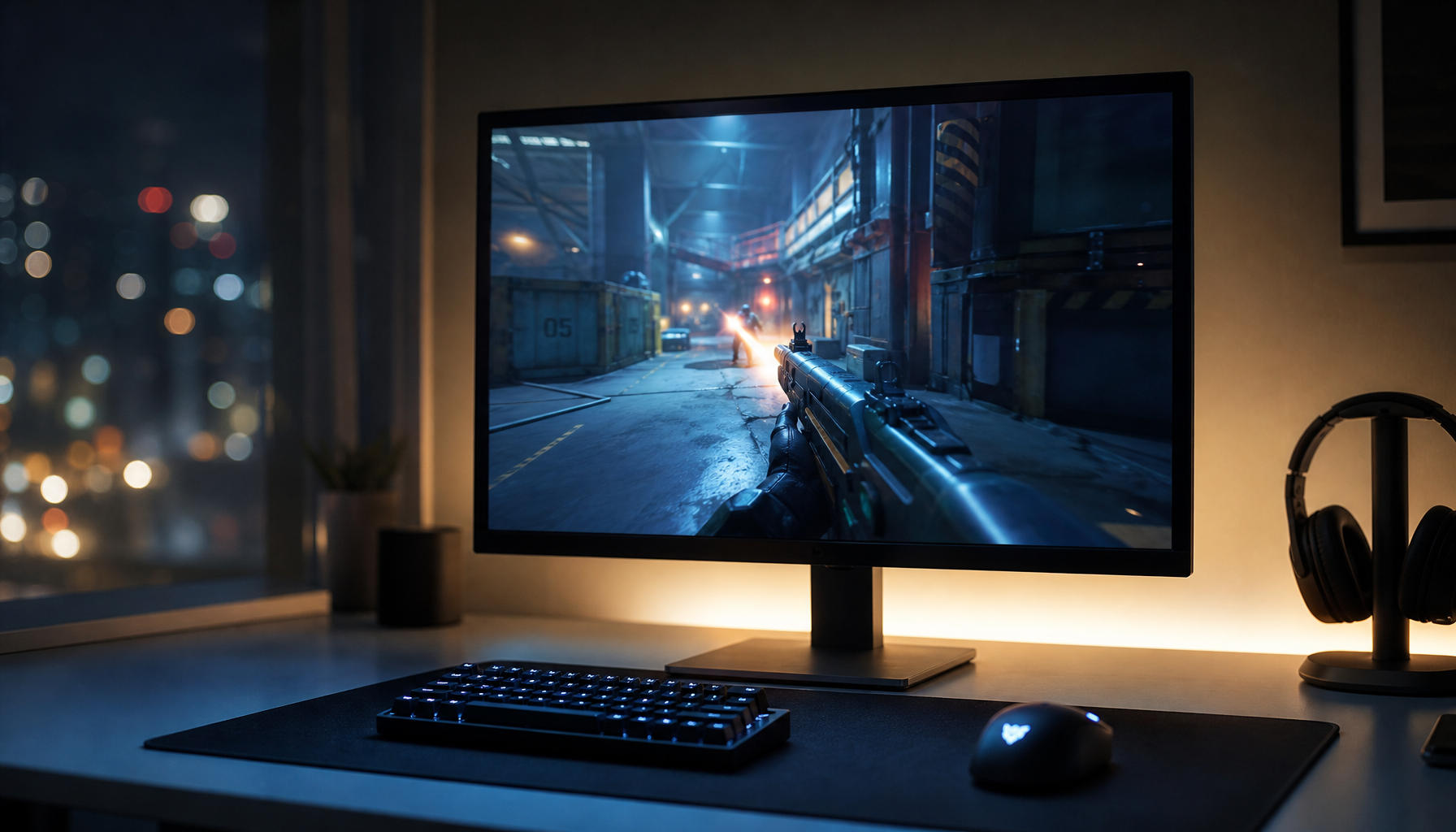
OLED's different strength is black-level control. Because each pixel can turn off on its own, black backgrounds and low-light scenes can look cleaner and easier to inspect. For dark-scene grading, that can be a real advantage. The trade-off is that the same self-emissive behavior can make static UI exposure part of the buying decision, not an afterthought.
In practice, that means Mini-LED is usually the more comfortable choice when the room is bright and the editing timeline stays open. OLED is usually the more satisfying choice when the room is controlled and shadow detail is the priority. A good Mini-LED reference point is the dimming-zone discussion if you want to understand why zone count changes the look of local dimming.
A concrete example helps here. The M27P6 Mini-LED monitor uses 1,152 local dimming zones and HDR1400 positioning, which makes it a reasonable fit for editors who want brightness headroom and a 4K desktop canvas. By contrast, the G27P6 OLED monitor uses per-pixel lighting with 97% DCI-P3 coverage, so it makes more sense when black depth and image separation matter more than brute brightness.
Long Sessions and Desk Versatility
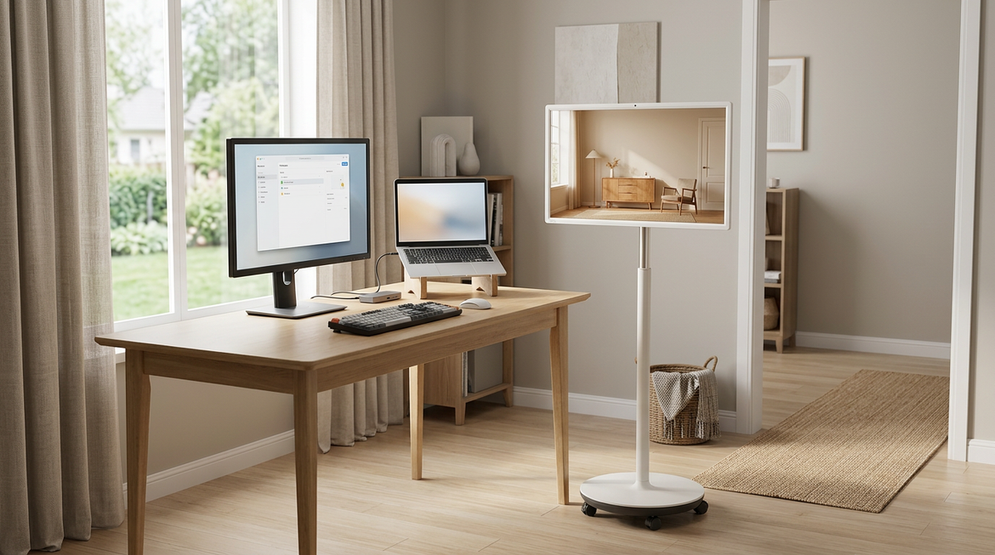
For long editing days, visual comfort is not the same thing as image quality. A monitor can be excellent for grading and still feel annoying if it is too dim in a bright room or too fussy with static interface elements. That is where Mini-LED vs OLED for photo and video editing becomes a desk question, not just a picture-quality question.
RTINGS notes that Mini-LED monitors can reach much higher peak and sustained brightness, which is why they tend to fit bright rooms and mixed productivity better. That does not mean OLED is bad for work, but it does mean OLED usually asks for a more controlled room or more discipline around how you use the screen.
Static toolbars, timelines, and app chrome are the real friction point for hybrid editors. On OLED, that is a workflow consideration, not a panic button. Fstoppers notes that dark modes and auto-hiding taskbars are practical habits for reducing static exposure, which helps, but it does not remove the need to think about how your desk is used.
Mini-LED is easier to live with if your desk doubles as a general work station. OLED is easier to enjoy if the monitor's main job is image review and you are comfortable being more intentional about interface habits. If you want a quick article that focuses on those friction points, the creator desk comparison is the cleanest follow-up.
Which Panel Fits Your Workflow
Here is the shortest decision path.
- If your room is bright, start with Mini-LED. Bright-room visibility and glare tolerance matter more than black depth when the monitor has to stay readable all day.
- If your work is mostly static timelines, toolbars, and project windows, Mini-LED is usually the easier default.
- If shadow inspection and black-level precision are your main editing priorities, OLED is the more natural fit.
- If you switch often between grading, browsing, and office work, Mini-LED usually reduces friction.
- If you want OLED, check whether your habits fit a more image-focused workflow before buying.
The decision flips when the room gets controlled and the work becomes more review-heavy than desk-heavy. In that case, OLED can be the better creative tool. If you want to browse by panel class after narrowing your use case, start with Mini-LED options or OLED options, then compare the specific stand, port, and resolution setup.
If you are comparing a broader resolution and speed mix alongside panel type, the 4K and 5K high-refresh range can help you see where creator-friendly sharpness and refresh trade off against panel technology.
Practical Buying Checks Before You Choose
Before you add a monitor to cart, check the room light, how long your timelines or toolbars stay on screen, and whether the display will share space with spreadsheets or browser work. Confirm the ports, stand adjustment, and VESA or arm compatibility if your desk setup changes often. For OLED, also review the warranty and return terms. For Mini-LED, confirm that the panel's brightness and local dimming behavior fit your room, not just the spec sheet.
If those checks line up, the choice is usually straightforward: Mini-LED for brighter, mixed-use desks; OLED for image-first work in more controlled light.
Related Resources
FAQs
How Do I Choose Between Mini-LED and OLED for Photo and Video Editing?
Choose Mini-LED if your desk is bright, your monitor stays on static interfaces for hours, or you need one screen for editing and everyday work. Choose OLED if you care most about black depth and image separation in a more controlled room. The right answer depends on workflow, not a universal winner.
What Matters More for Color Work: Color Gamut or Color Volume?
Gamut tells you the range of colors a monitor can reach. Color volume tells you how well those colors hold up as brightness rises. For HDR footage and bright saturated scenes, color volume is often the more useful creator-facing comparison.
Can Mini-LED Blooming Affect Timeline and UI Work?
Yes, it can. Bright UI elements, subtitles, cursors, or windows on dark backgrounds may show halos on some Mini-LED implementations. Whether that matters depends on the monitor, the room, and how dark your editing interface is.
Is Burn-In a Real Concern for Hybrid Editors Using OLED?
It is a real workflow consideration, especially when timelines, toolbars, and app chrome stay visible for long sessions. It is not inevitable, but it is worth taking seriously. Dark mode, varied content, and checking warranty terms can reduce regret.
Which Panel Is Better for a Bright Home Office?
Mini-LED usually fits a bright home office better because brightness headroom and visibility matter more there. OLED can still work, but it tends to be easier to live with when the room light is more controlled and the desk is more image-focused.
Final Takeaway
If you are a hybrid photo and video editor, Mini-LED is usually the better default for a bright, mixed-use desk, while OLED is the better specialist choice for controlled-light grading and deep black handling. The right pick is the one that matches your room, your timeline habits, and how often the monitor has to behave like an office display too. Review those conditions first, then shop the panel type that fits them best.