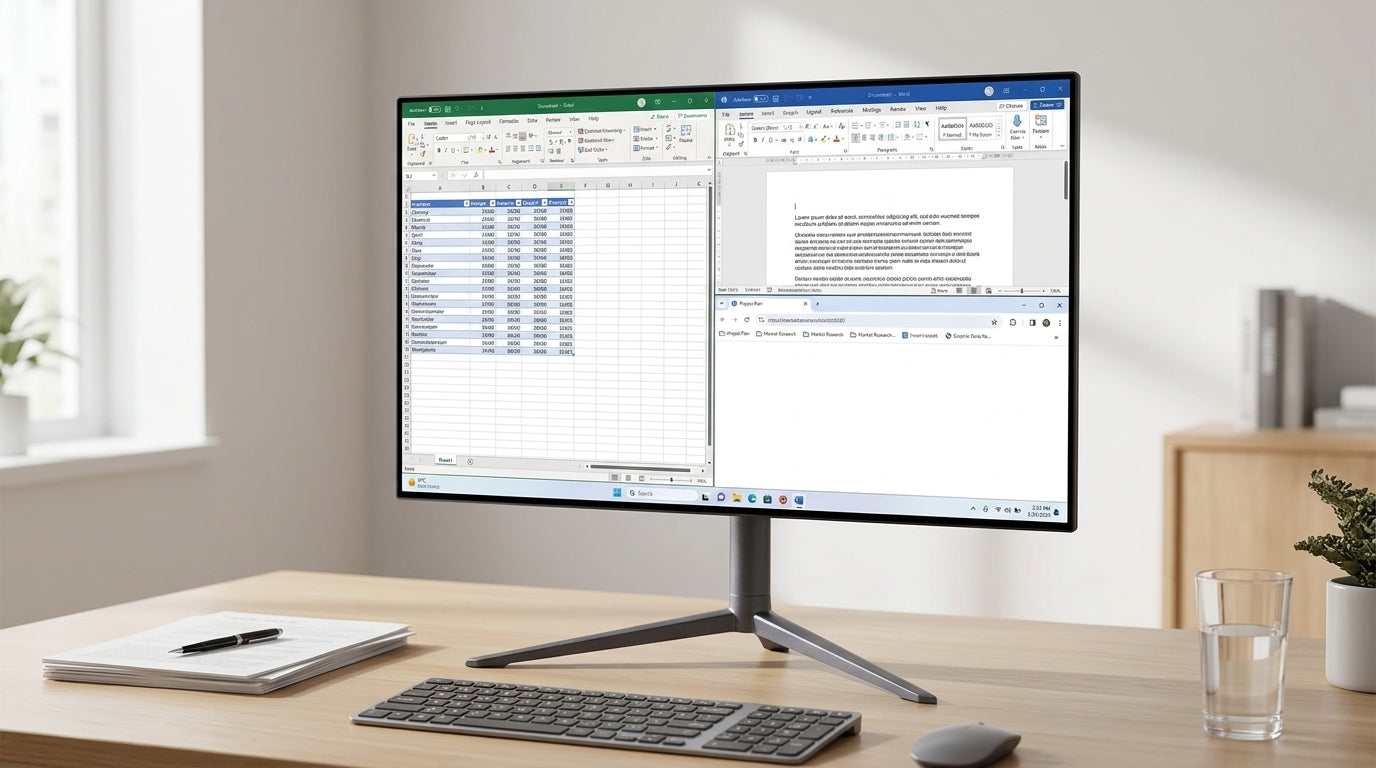
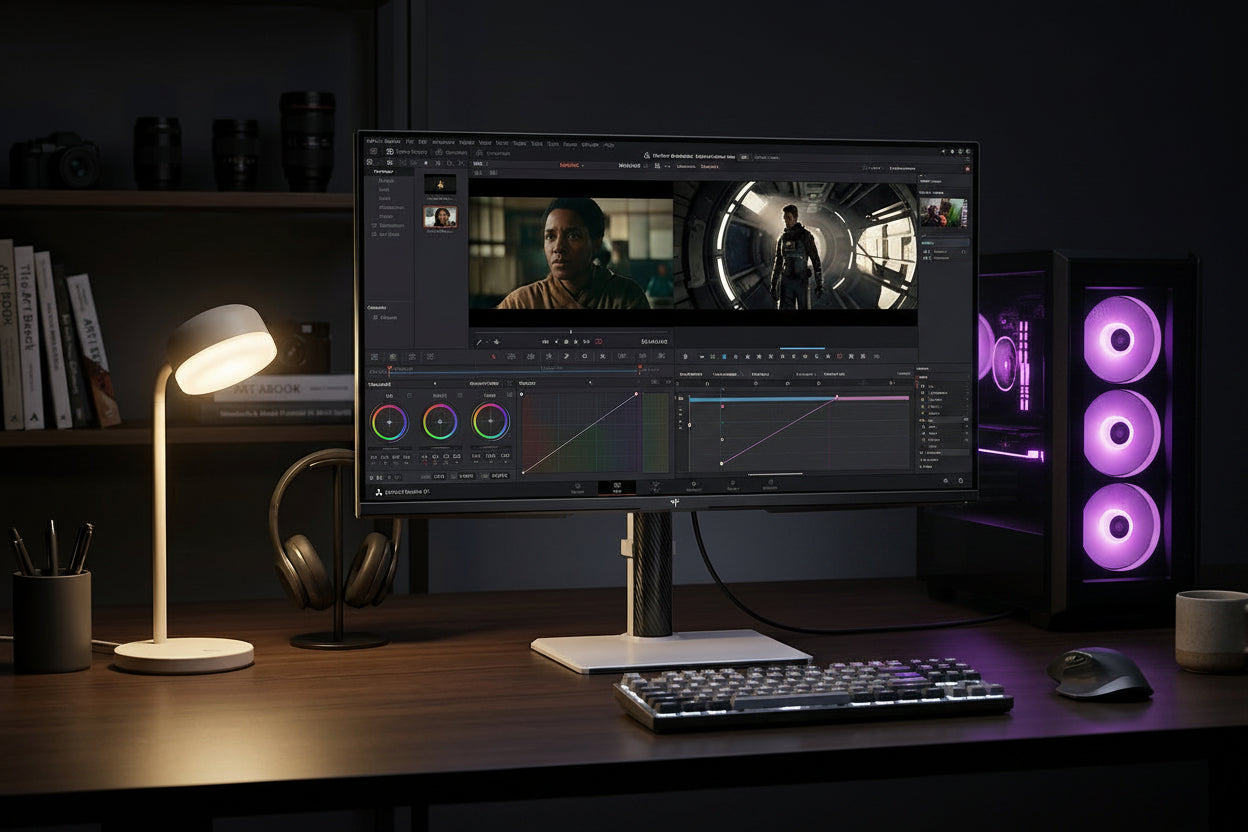
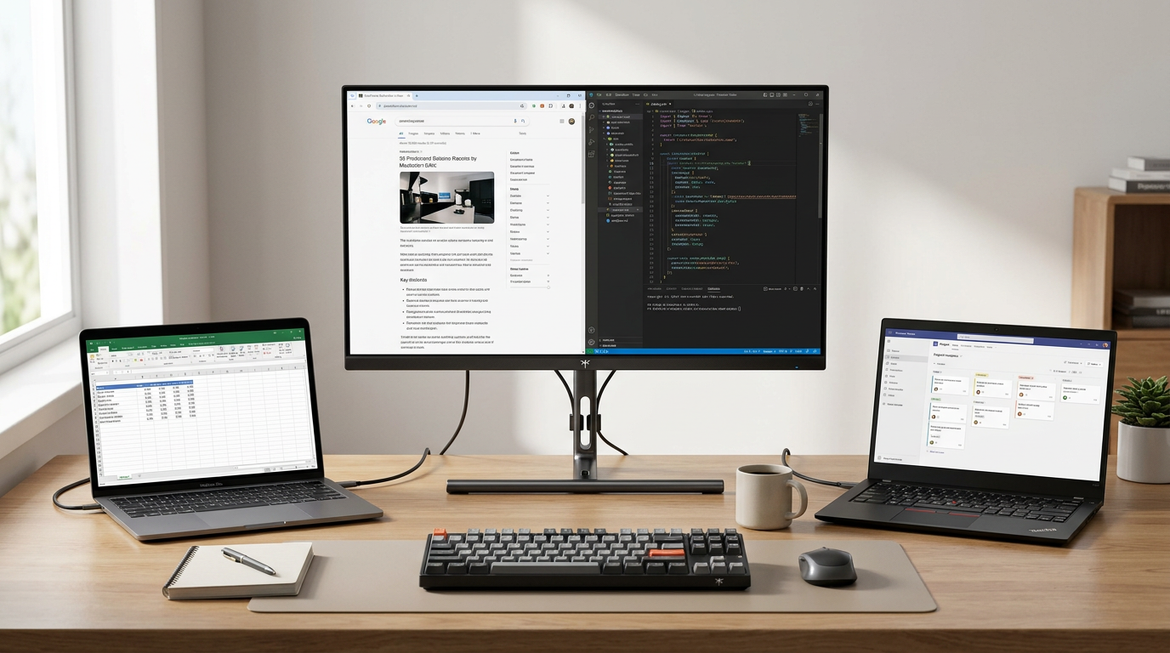
A rolling smart display makes the most sense when one screen has to move from a desk meeting to a kitchen counter to a family room without turning that handoff into a daily hassle. It is less about having a bigger screen and more about reducing device switching when different people need the same display at different times.

Why One Screen Becomes Hard to Share
In a busy home, the problem is usually not screen size. It is that a fixed monitor solves one job in one room, then becomes awkward the moment the household changes tasks. A rolling smart display helps when the morning starts with work, lunchtime needs recipes, and evening turns into shared viewing.
That is why the real value is not novelty. It is flexibility across rooms. Smart displays are commonly used for recipes, timers, video calls, and streaming across household spaces, which is one reason a single mobile screen can feel more practical than separate devices for every room. For a home office and kitchen, that convenience matters most when you need the same content to travel with you.
One useful decision sentence is this: if your screen stays in one room most of the time, a fixed monitor is usually simpler; if the screen needs to follow the workflow, a rolling unit becomes more useful.
How Room-To-Room Movement Changes Daily Use
For a smart display on wheels for kitchen and meetings, the workflow matters more than the spec sheet. Morning desk work, midday kitchen use, and evening family viewing all create different height, angle, and lighting needs. That is where mobility helps, because the screen can stay part of the day instead of being tied to one surface.

Morning Desk Work to Midday Kitchen Use
At a desk, you usually want the screen centered and a little farther back. In the kitchen, the same display may need to sit higher or angle differently so a recipe or timer stays visible without crowding the counter. If the route between rooms is clear, this can feel easier than moving a laptop or propping up a tablet.
A fixed monitor starts to break down when you keep changing where you stand or sit. A mobile screen is more forgiving, but only if the household has enough floor space and a path that does not snag cords or force awkward turns.
Shared Family Viewing Without Moving a Laptop
A rolling display can also serve as a shared screen for calls, streaming, or kids' content after work. That is useful when one person does not want to surrender a desk monitor or carry a laptop into the living area every time.
The trade-off is simple: more mobility usually means more setup attention. You get a better shared workflow, but you also need to pay attention to route planning, cable slack, and where the screen will land in each room.
Rolling Back Into Place After Dinner
The best use case is not "move it constantly everywhere." It is "move it predictably between a few rooms and put it back where it belongs." If the display has to navigate tight corners, thick rugs, or crowded kitchen traffic, the convenience drops quickly.
That is why a mobile large touchscreen display on wheels for office use is most appealing in homes that already have a clean path between the desk, kitchen, and family space.
Which Features Make Shared Use Work
A shared-screen setup works best when the features support both movement and mixed use. For this topic, the most relevant checks are screen size, touch support, built-in apps, battery flexibility, and stand adjustment. Those are the features that change whether the display feels easy to live with or merely portable in theory.
The 32-inch class is helpful because it gives more room for video calls, recipes, and streaming than a small portable screen. Android 14, touchscreen input, speakers, and wireless app use can reduce the need to keep another device open nearby. For readers who want one screen that can double as a portable large touchscreen display on wheels for office, those are the features to check first.
Screen Size, Touch, and 4K Clarity
On the featured model, the product facts support a 31.5-inch 4K display, Android 14, 8GB RAM, 128GB storage, and touchscreen support. That combination matters most when you want a shared screen that can handle both work and household use without feeling cramped.
The practical translation is this: 4K is most noticeable when you read text, view recipes, or keep multiple windows open. It matters less if the display is only playing music videos in the background. If you mainly need simple kitchen viewing, a smaller display may be enough. The KTC MEGAPAD 27" FHD Android 14 Google EDLA Smart Touch Monitor with 9500mAh Battery offers a compact alternative when 32 inches feels large for tight counters.
Battery, Ports, and Wireless Use
The built-in 8550mAh battery gives you flexibility for short room changes, but it should not be treated like a fixed all-day runtime promise. The manual notes that runtime varies with brightness, apps, and connected devices, and it also gives a maximum usage time of about five hours after a long charge under mixed use.
That is enough for many daily handoffs, but not a reason to ignore power planning. In real use, battery support is most helpful when you want to roll the unit to another room without immediately hunting for an outlet. HDMI 2.0, Type-C, and USB 3.0 then become the practical checks for wired sources, accessories, or fallback connections.
Stand Adjustability and Viewing Comfort
The stand matters because kitchen counters, desk heights, and family seating do not line up. The A32Q7S facts support height adjustment of about 200 mm and tilt of about 20 degrees, which is enough to improve visibility in many common setups.
The first take is simple: if the screen angle changes with the room, the stand needs to adapt; if the angle stays fixed, the display becomes much less useful outside one room. One detail to note is that other MEGAPAD models explicitly list built-in wheels, while the A32Q7S facts support adjustable stand features but do not explicitly confirm wheels. If rolling mobility is the deciding factor, check that before buying.
When the 32-Inch 4K Model Fits Best
The KTC MEGAPAD 32" 4K Android 14 Google EDLA Smart Touch Monitor with 8550mAh Battery is the right kind of product when you want one shared screen for office work, kitchen tasks, and family viewing, and you do not want to dedicate a separate monitor to each room.
| Workflow condition | What the user needs | Fit signal from the product |
|---|---|---|
| Morning work, then kitchen use | Large readable screen and touch input | 31.5-inch 4K touchscreen with Android 14 |
| Short room-to-room moves | Less dependence on a wall outlet | Built-in 8550mAh battery, but runtime varies |
| Shared family viewing | Easy re-positioning and clear audio | Adjustable height, tilt, rotate, and built-in speakers |
| Wired backup for work devices | Simple connection options | HDMI 2.0, Type-C, and USB 3.0 |
| Purchase reassurance | Lower risk if the fit is not right | 12-month warranty, 30-day returns, free shipping over $100 |
This is a good fit if you want a mobile 32-inch class screen with built-in Android features and touch support. It is a weaker fit if your main need is true wheeled mobility, because the storefront facts for this model confirm adjustability but do not clearly promise wheels.
For readers who want the broader category first, the Mobile Touch Screen collection is the cleaner browse path. If the priority is smart app use over pure monitor behavior, the Smart Monitor collection is also worth checking.
How to Set It Up for Shared Rooms
- Place the display on a level surface and make sure the route between rooms is clear before moving it.
- Set the height and tilt for the primary user first, then check the view from a seated kitchen or family position.
- Keep cables routed so they do not catch when the screen turns or rolls into place.
- Test Wi-Fi, power, and any wired source before you depend on the display for a live call or recipe step.
For a practical ergonomics follow-up, this setup guide is useful if you want a screen position that feels better over a longer workday. The main habit to remember is to adjust the display in the room where it is used most, not after the first move.
What to Check Before You Buy
- Make sure the screen size matches the distance from the desk, counter, or sofa where it will be used most often.
- Check whether you need touch input, built-in apps, speakers, or battery support more than a standard monitor.
- Confirm that the movement path, floor space, and cable routing work in every room the display will travel through.
- Review warranty, return policy, and support contact details before ordering.
If you want a quick safety-minded placement reminder for homes with kids or pets, the monitor placement guide is a helpful next read. The right purchase is the one that fits the route, the room, and the way the household actually shares screens.
FAQs
Q1. How Stable Is a Rolling Smart Display During Daily Room Changes?
Stability depends on level floors, careful movement, and the stand design. I would treat it as a setup question, not a guarantee question. The practical tip is to test the display in its final room before depending on it for a long call or cooking step.
Q2. What Cable Management Matters Most in a Kitchen and Office Setup?
Short, routed cables matter most. Keep cords away from walking paths and leave enough slack for height changes. After you adjust the screen, re-check cable tension so the display does not tug when you turn or move it. A simple cable clip can prevent a lot of snagging.
Q3. Can It Handle Video Calls and Recipe Apps in the Same Day?
Yes, the product facts support Android 14, touch input, built-in speakers, and video-call use. App behavior still depends on the app and network. The practical tip is to test your most-used call app and recipe app before you rely on the display for both roles.
Q4. How Do You Choose the Right Height for Different Users?
Set the screen for the primary user first, then check it from seated and standing positions. Kitchens and offices usually place eyes at different levels. A good rule is to adjust for the room where the screen will be used longest, not the room you happen to be in first.
Q5. Can the Battery Support Short Moves Without a Wall Outlet?
Yes, but only for a period of time, and runtime varies with brightness, apps, and connected devices. The manual notes about five hours maximum after a long charge under mixed use. The practical tip is to treat battery support as a convenience buffer, not a full replacement for power planning.
The Best Fit Depends on How Your Home Moves
A rolling smart display is most useful when one screen has to serve work, meals, and family time without getting locked to a single desk. If your path between rooms is clear and you value touch, apps, and shared viewing, it can be a good fit. If you mostly stay at one desk, a fixed monitor is usually simpler. The safest next step is to check your route, viewing height, and connection needs before buying.