OEM monitor value is strongest when you want the screen hardware, not the brand markup. The right buy usually depends on what you actually need, because a lower sticker price only helps if the resolution, refresh rate, ports, stand, and after-sale terms fit your setup.
What Factory-Direct Pricing Usually Removes
Factory-direct pricing usually trims marketing, retail channel margin, and some packaging overhead. That is why an OEM monitor can look cheaper even when the panel class is similar to a familiar retail model.
What is an OEM Monitor? The 2026 'No-Brand-Tax' Blueprint is a useful follow-up if you want a deeper brand-versus-factory overview, but the shopping test stays simple: compare the actual display experience, not the logo.
A good decision sentence here is straightforward: if the monitor saves money but cuts the stand, port support, or warranty terms you need, it is not really better value. If the screen spec is right and the ownership terms are clear, the cheaper option often wins.
The First Filter: What You Will Notice Every Day
For most buyers, the daily experience comes from three things first: sharpness, motion, and setup flexibility. The bezel brand matters less than whether text looks clean, games feel smooth, and the screen fits your desk without extra purchases.
That is why brand comparison coverage should start with total ownership cost, not sticker price alone. A fair comparison includes warranty length, return friction, and the features you will actually use.
Specs That Actually Move the Needle
Panel Type and Resolution
Resolution and panel type shape the biggest part of OEM monitor value. In plain terms, resolution affects how sharp text and game detail look, while panel type affects the overall image character, viewing angles, and contrast behavior.
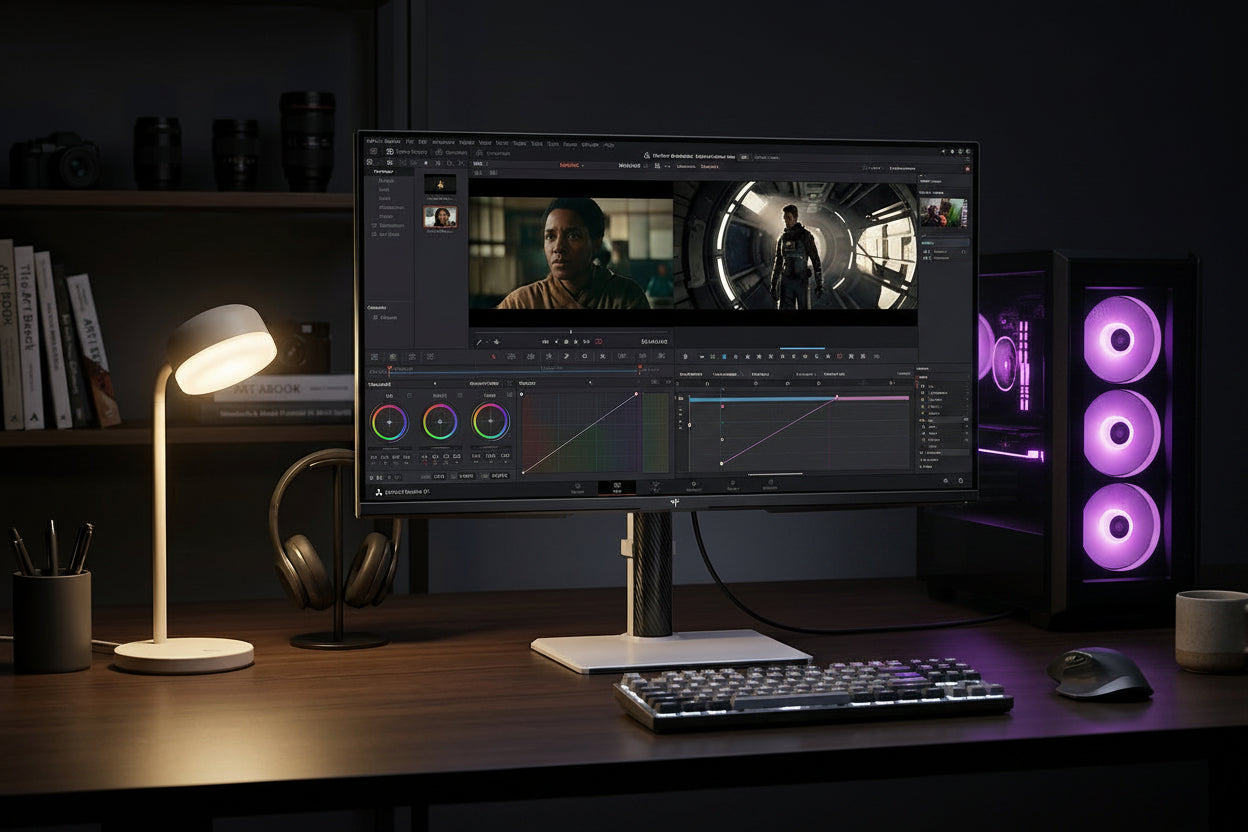
A 27-inch 1440p monitor is often the practical middle ground for budget gaming desks, while 4K makes more sense when you care more about text clarity, console sharpness, or creative work. If you do not need extra pixels, do not pay for them just because they sound premium.
For mixed use, the Gaming Monitor collection shows how KTC splits fast 2K and 4K options across different use cases.
Refresh Rate and Response Time
Refresh rate matters most for gaming and fast scrolling, because it controls how often the screen updates. Response time is the speed at which pixels change, which affects blur and ghosting in motion.
For office work, extreme refresh numbers usually stop mattering once you get past a smoother baseline. For competitive play, though, the difference between 100Hz, 180Hz, and 240Hz can change how stable motion feels, especially in fast shooters and racing games.
The practical rule is simple: buy high refresh when the games justify it, and skip it when your main use is email, documents, or casual streaming.
Color Gamut Coverage Versus Volume
Color gamut coverage and gamut volume are related, but they are not the same. RTINGS' color gamut explanation says coverage measures how much of a reference space the panel reaches, while volume describes the total range and saturation the panel can reproduce. Values above 100% are possible for volume. PCWorld notes that resolution, panel type, refresh rate, response time, ports, and stand adjustments affect real-world value more than brand name alone.
That distinction matters when you compare Mini-LED and IPS models. Coverage tells you how much of a standard color space is reached, while volume helps explain how vivid the display can look in practice.
A useful decision sentence: if you only look at coverage, you can miss how lively or saturated a panel may appear; if you only look at volume, you can overvalue a panel that does not cover the reference space as well as you expected.
Ports, Stand, and Power Delivery
Ports and stand adjustments quietly change the real price. A monitor that needs an extra hub, a new cable, or a monitor arm is not as cheap as it looked on the product page.
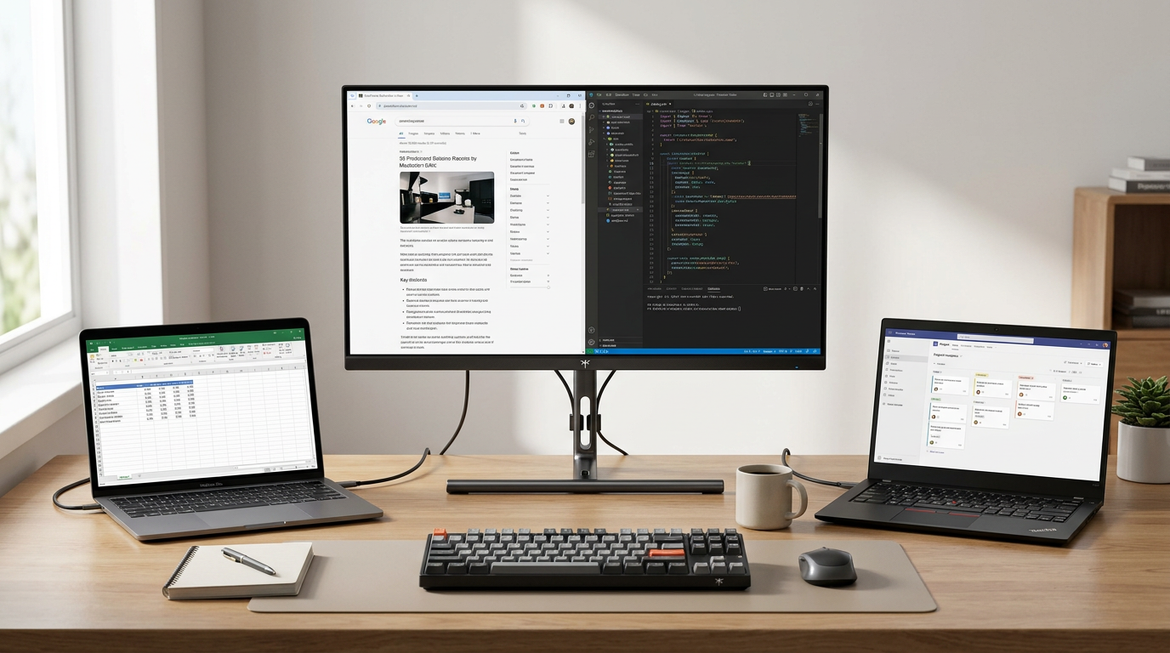
This is where a practical USB-C monitor setup guide helps for laptop or single-cable desks. For mixed PC and console setups, check whether the model supports the signal path you want before you buy.
OEM Value Versus Brand Name
The best OEM monitor value usually comes from a simpler display with strong core specs and fewer extras you will never use. Brand-name pricing can still make sense when you want broader retail support, easier returns, or more established firmware and software polish.
| Factor | OEM Value Case | Brand-Name Case |
|---|---|---|
| Up-front price | Lower if the panel and ports are right | Higher if you are paying for support and polish |
| Core specs | Strong if resolution, refresh, and input support match the need | Strong if the model is tightly tuned for a niche use |
| Extras | Best when you do not need many extras | Better when software, presets, or ecosystem matter |
| Warranty and returns | Good only if the terms are clearly posted | Often easier to trust if the retail path is familiar |
| Best fit | Buyers who can verify specs and live with fewer extras | Buyers who value convenience and support more than savings |
A fair OEM monitor value comparison looks at total ownership cost. That means the sticker price, warranty, return policy, shipping, cable needs, and stand setup all belong in the same decision.
If a retail model costs more but removes uncertainty you would otherwise spend time managing, it may still be the better buy. If the factory-direct model delivers the same daily result with less money and clear support terms, the OEM side wins.
How to Judge Reliability and Support
- Check the warranty length, return window, and who pays return shipping. Those terms can change the true bargain more than a small discount does。
- Confirm the exact ports, cable support, and input limits. A monitor is not a value pick if it cannot actually run the resolution or refresh rate you planned to use.
- Look for clear support contact details and firmware guidance if the model uses software features or KVM functions. Beyond the Spec Sheet: Evaluating Software UX and Firmware Support in OEM Monitors expands on firmware checks.
- Treat long-term reliability claims as a policy and ownership check, not a slogan.
For a product example, the KTC Mini LED 27" 4K 160Hz HDR1400 Gaming Monitor | M27P6 gives you a good benchmark for what a higher-end factory-direct monitor can include: 4K at 160Hz, Mini-LED backlighting, USB-C with PD 3.1, a 3-year warranty, and a 30-day return window.
That does not make every OEM monitor a strong buy. It does show why the support terms matter as much as the panel itself, especially when the goal is to avoid hidden costs later.

Value Picks for Different Setups
The right profile depends on what you do most days. If you game a lot, a stronger refresh rate usually matters more than office extras. If you split time between work and entertainment, 4K or sharper 1440p often beats chasing the highest frame count.
- For a balanced under-$500 gaming desk, the KTC Mini LED 27" 4K 160Hz HDR1400 Gaming Monitor | M27P6 is the premium-value choice when HDR impact, sharp 4K detail, and strong support terms matter together.
- For a cheaper 4K desk that still feels current, the KTC 27" 4K 160Hz/320Hz 90W Gaming Monitor | H27P6 fits better when you want 4K speed and USB-C power delivery without stepping into Mini-LED pricing.
- For a value 1440p gaming setup, the KTC 27" 2K 200Hz HDR400 Gaming Monitor with Speakers | H27T6 and similar models pair fast QHD performance with lower prices than many premium-branded alternatives.
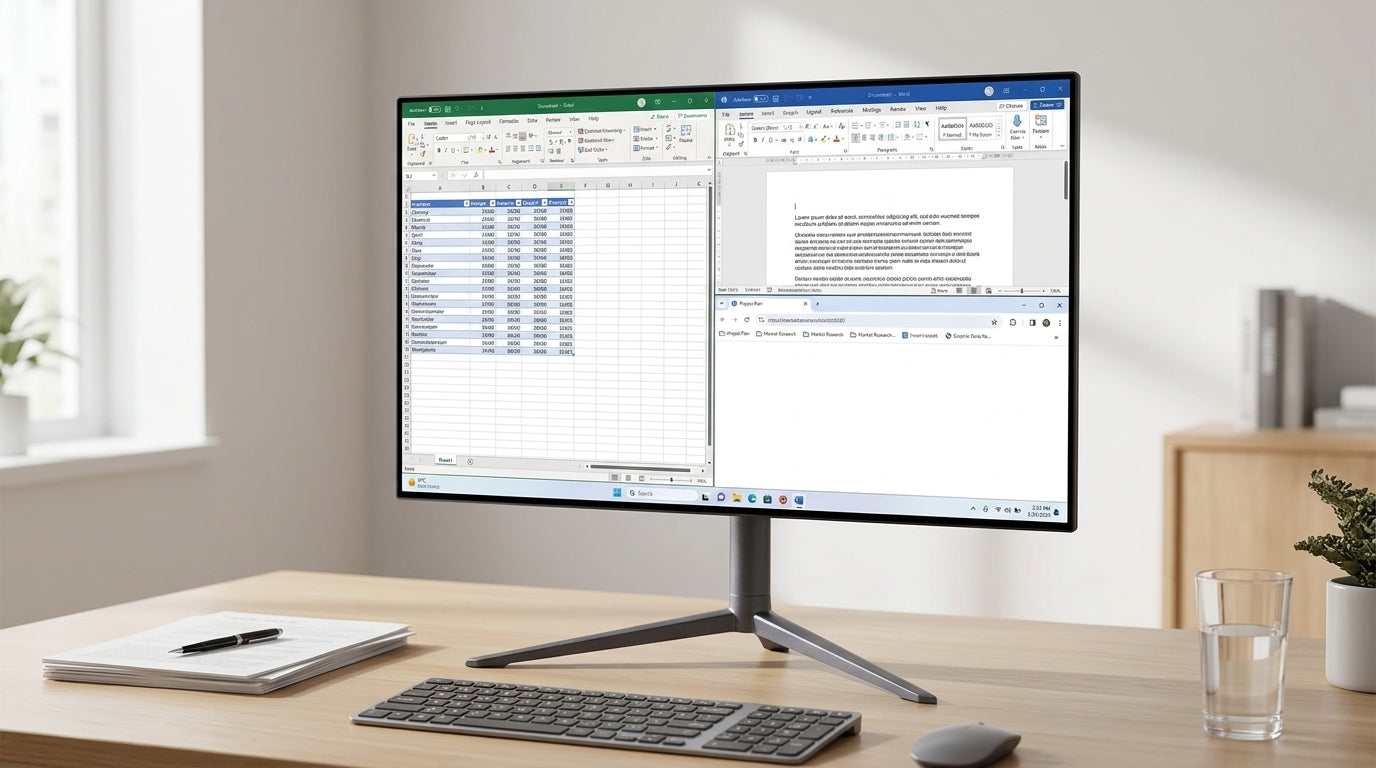
- For office or mixed use, the KTC 27" 4K IPS 60Hz Low blue Light Home&Office Monitor | H27P27 is the more practical choice when text clarity and day-to-day comfort matter more than high refresh speed.
The 4K Monitor collection is the right browsing path if you already know you want UHD sharpness, while the Deals & Offers page is better if your main goal is finding the lowest total price on a suitable spec.
A good flip point: if you are choosing mostly for esports speed, do not overbuy a 4K panel you will rarely use at native resolution. If your desk doubles as work space, a sharper 4K or well-specced 1440p model is usually the more durable value choice.
The Best Fit Depends on Your Use Case
Match the monitor to your primary tasks rather than chasing peak specs. Gamers benefit most from high refresh and low response times on 1440p or 4K panels. Console-plus-PC users need strong HDMI 2.1 or USB-C support. Office and creator-lite buyers prioritize text clarity, color accuracy, and ergonomic stands over extreme refresh rates. Check port versions, stand height range, and warranty length against your desk layout before purchase.
Final Checks Before You Buy
- Verify the exact resolution, refresh rate, panel type, and port version on the model page before checkout.
- Confirm the stand or VESA plan so the desk setup does not create a hidden cost later.
- Check shipping, return, and warranty terms together, because the low sticker price can disappear if after-sale support is weak.
- Buy for the way you use the screen most days, not for the biggest spec number on the page.
If you are still unsure, start from the category page and narrow by use case before you buy. That keeps OEM monitor value grounded in the setup you actually own, not the spec sheet you wish you needed.
Related Resources
Compare 1440p options in the enduring value of 1440p 144Hz monitors guide or review higher-end trade-offs in 4K 240Hz OLED vs. 5K Mini-LED.