If you want the how to buy OEM monitors 2026 guide in one sentence: don’t chase the lowest sticker price, chase the best-verified fit. The smart purchase is the one whose specs, calibration proof, and support terms match your use case, because lower upfront cost can disappear once returns, downtime, or a bad match enter the picture.

Why the Brand Tax Still Matters
Brand tax is usually the extra you pay for positioning, channel costs, and perceived trust, not just panel performance. That does not mean every OEM monitor is better value, only that a logo should not be treated as proof of quality. A practical OEM monitor guide starts by asking what you are actually getting for the premium, and what you are still expected to verify yourself. If you want a broader comparison point, see OEM vs. Brand-Name Monitors: A 2026 Reliability & Support Comparison.
For most buyers, the first filter is simple: if the listing cannot clearly show panel class, resolution, refresh rate, and support terms, it is not ready for comparison. That is especially true when the price looks attractive, because vague listings tend to hide the real trade-offs. The better question is not “Is this cheap?” but “Is this the right monitor for the workload I have?”
A useful decision sentence is this: if the monitor fits your specs but the warranty or return path is weak, the bargain can break down fast. Another one: if you are buying for office work or a small team, support friction matters more than a flashy refresh rate. The brand-tax question is not about rejecting brands outright; it is about refusing to pay for trust you have not checked.
Verify the Hardware Before You Trust the Price
Confirm the Core Spec Sheet
Start with the hardware details that change the experience every day: panel type, resolution, refresh rate, brightness, and ports. These are not abstract spec-sheet trophies. They determine whether text looks crisp, motion feels smooth, and the monitor actually connects to the devices you use. A 1440p office panel is a very different value choice from a 4K high-refresh gaming panel, even if the sales pitch sounds similar.

If the monitor is for productivity, a sharp QHD or 4K image often matters more than chasing very high refresh rates. If it is for gaming, refresh rate and input path become more important, but only if your PC or console can actually drive them. In real use, the most common regret is overbuying speed or resolution that the rest of the setup cannot use.
Check Calibration Evidence
When color accuracy matters, ask for factory calibration details and treat them as confidence evidence, not a guarantee. The NIST calibration policy is a useful reminder that documented verification matters because measurement quality depends on traceable process, not just claims.
This is where the factory calibration check OEM monitors step becomes practical. If the seller can show a meaningful calibration report or clear pre-shipment verification, that is a better sign than a vague promise of “premium color.” If they cannot, assume the display may still be fine, but you should price in your own setup time or a possible return.
If you want a deeper explainer on the difference between claims and proof, a good next step is What Does “Factory Calibrated” Actually Mean for Monitor Color Accuracy? and Hardware vs. Software Color Calibration for Monitors: What Buyers Need to Know. Both are useful when you are separating a real calibration signal from marketing language.
Review Warranty and Return Terms
Warranty length, return window, and support channel are part of the price. A lower sticker price can become expensive if the return process is slow or the support path is unclear. That is why three-year value is a better lens than a single receipt. If you expect to keep the monitor for a while, the exit path matters almost as much as the entrance price.
A good rule of thumb is this: if the seller cannot explain how replacement, inspection, or returns work, the monitor is not fully verified. For home users, that may just mean inconvenience. For small businesses, it can mean lost time across multiple desks.
Watch for Marketing Gaps
The biggest warning sign is not a missing buzzword; it is missing specificity. Listings that say a lot about “premium” but little about exact panel behavior, calibration, support, or connectivity do not give you enough information to judge value. The safer move is to pause, compare, and verify before checkout.
A second decision sentence: if a listing is vague on specs but clear on price, treat the price as incomplete information rather than a deal. The same applies to broad claims about quality without supporting details. That is where the informed-skeptic mindset saves money.
Choose the Right Value Tier for Your Use Case
Different setups justify different spend levels, and the best OEM monitor value depends on the job. The chart below shows the typical fit pattern in common setups, not a universal ranking.
Monitor Value Tiers by Use Case
A quick guide to where each monitor tier often makes sense, and where it can start to overbuy for the job.
View chart data
| Scenario | Office | Gaming | Creator / Pro | Ultrawide |
|---|---|---|---|---|
| Budget QHD | 1.0 | 0.0 | 0.0 | 0.0 |
| Gaming QHD | 1.0 | 2.0 | 1.0 | 0.0 |
| Premium 4K Gaming / Mixed Use | 0.0 | 1.0 | 2.0 | 0.0 |
| Creator / Pro 5K / Premium Office | 0.0 | 0.0 | 2.0 | 0.0 |
| Ultrawide | 0.0 | 0.0 | 0.0 | 3.0 |
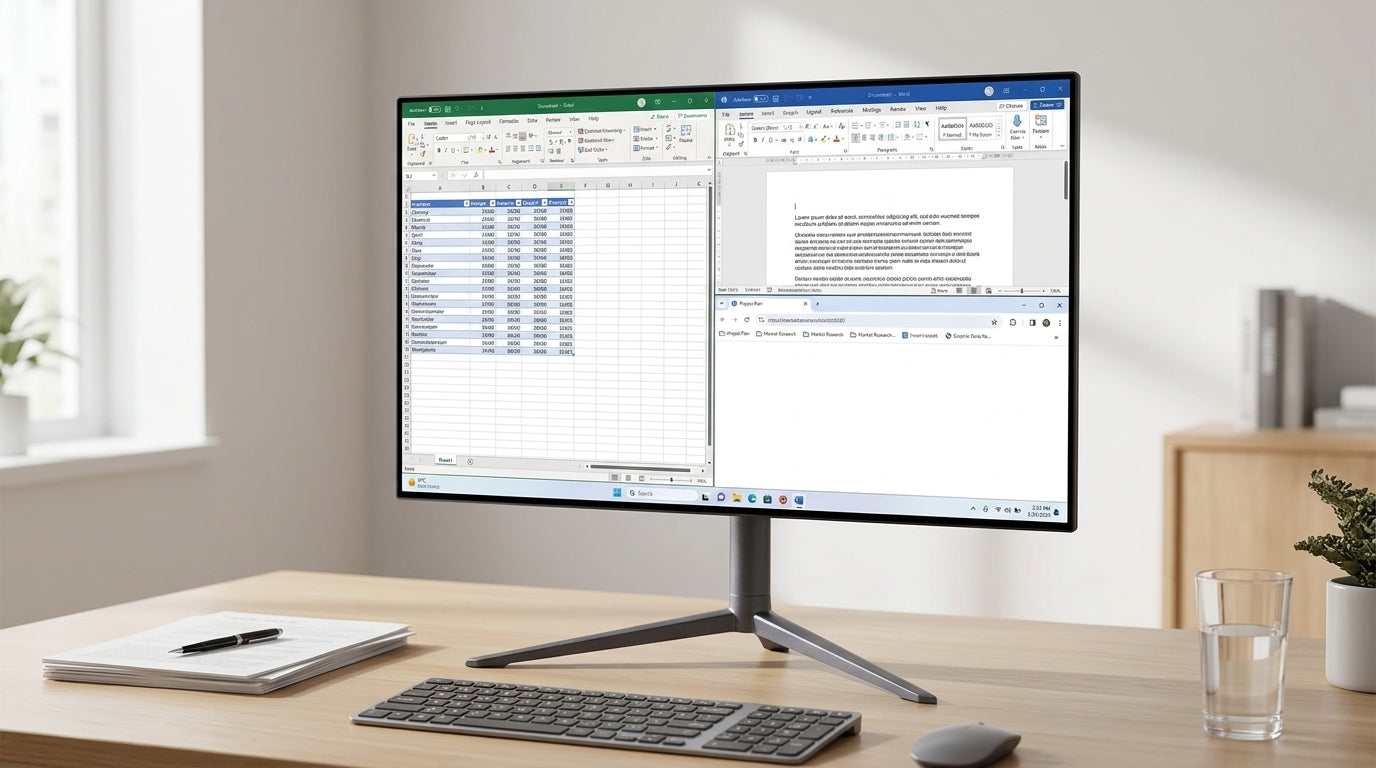
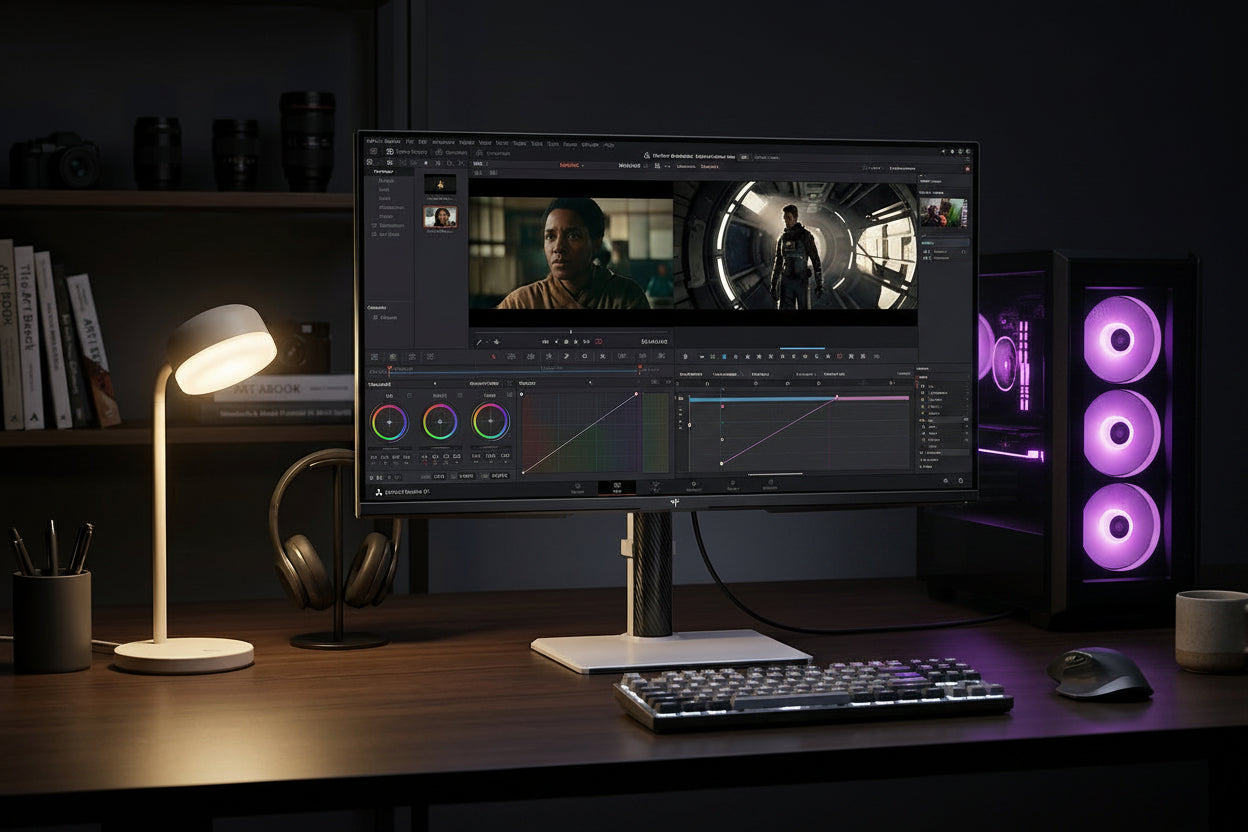
For office and study work, budget QHD or affordable 4K often gives the best value because text clarity and basic ergonomics matter more than extreme speed. For gaming, QHD with higher refresh rates usually hits the sweet spot when you want motion smoothness without paying for more resolution than your hardware can use. For creator or pro work, higher resolution and better color coverage can justify a higher tier.
A clear boundary helps: if your desk is mainly spreadsheets, docs, or email, a premium gaming tier is often overbuying. If your system can already sustain high frame rates and you care about gaming feel, then a faster tier starts to make sense. If you want to browse the category by use case rather than by logo, All Monitors is the broad starting point, while Gaming Monitor is the narrower route when speed is the priority.
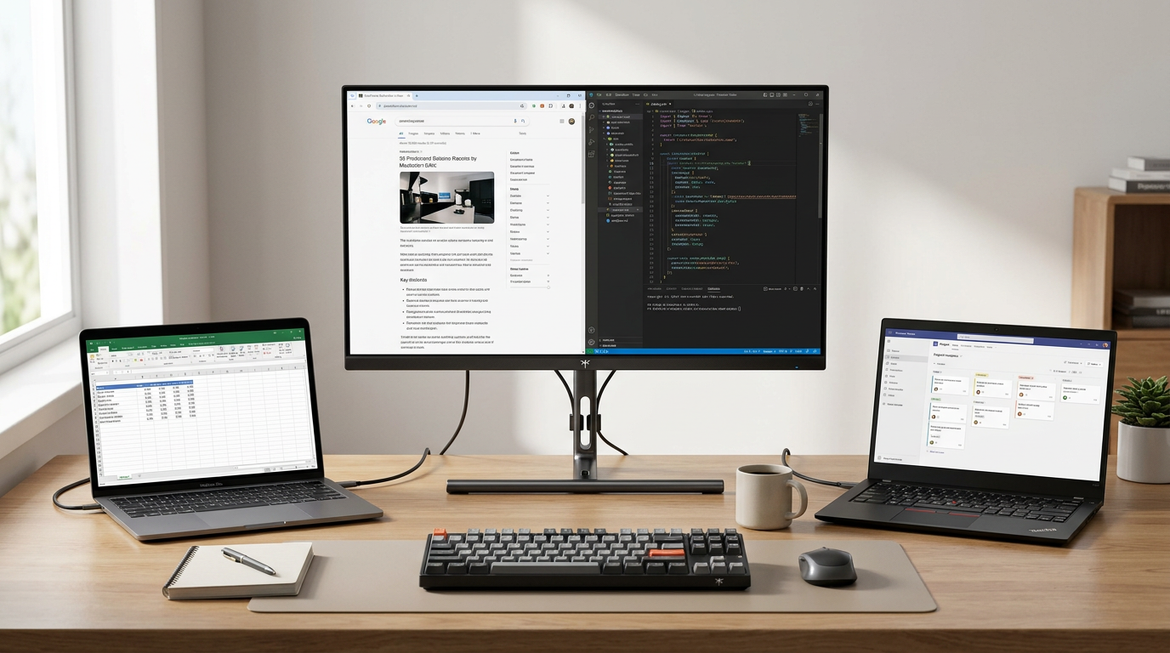
One more decision sentence: if you need a larger canvas for work and play, ultrawide can be a better fit than simply buying a sharper 16:9 panel. But if your workspace is narrow or you mostly edit photos in standard aspect ratios, ultrawide may add cost without adding much value. The right tier is the one that removes friction, not the one with the biggest number.
What the Tiers Usually Mean in Practice
Budget QHD is often the right floor for buyers who want sharper text than 1080p without moving into luxury pricing. Gaming QHD adds refresh-rate headroom and is often the best balance for mixed use. Premium 4K gaming or mixed-use models sit above that when you want sharper detail and still care about motion. Creator or pro 5K-class displays are usually about clarity and color confidence first, not frame-rate chasing.
That is why a collection like Above $400 Monitors should be treated as a browsing path, not a default recommendation. Sometimes the premium is justified. Sometimes it is just a more expensive way to make the same desk feel busy.
Calculate Three-Year Value, Not Sticker Price
- Start with the purchase price.
- Add shipping, return friction, and any setup or calibration cost you expect to absorb.
- Estimate how long you are likely to keep the monitor before replacement or upgrade.
- Count support responsiveness as part of cost, because slow help can mean real downtime.
- Compare the three-year total against the closest branded alternative before deciding.
That is the simplest version of the wholesale adjacent monitor sourcing 2026 mindset: the cheapest box is not necessarily the cheapest ownership path. A helpful background definition of total cost of ownership is that it includes the full lifecycle cost of an asset, not only the first purchase. A similar definition from TechTarget’s TCO overview makes the same point in plainer business terms.
For a single buyer, the biggest hidden cost is usually inconvenience. For a small office, the bigger risk is that one weak support experience gets multiplied across several desks. That means the true ROI of an OEM monitor is not just lower price; it is lower ownership friction over time.
A useful decision sentence here is this: if the OEM option saves money up front but creates more service friction later, it may lose on three-year value. Another boundary: if the monitor is a mission-critical workstation display, speed of replacement can matter as much as display quality.
If you want a practical example of how longer coverage changes the ownership math, How Extended Warranties Can Reduce Monitor E-Waste and Extend Display Lifespans shows why repair-friendly coverage can matter more than the sticker price alone. The lesson is simple: longer support can turn a replacement into a repair, which often changes the economics of ownership.
Lock in Value Without Taking on Avoidable Risk
- Re-check the exact size, resolution, refresh rate, and port layout before checkout.
- Confirm the warranty length and return window are good enough for the risk you are taking.
- Prefer documented calibration and clear support channels over vague premium claims.
- Keep the verification checklist ahead of category browsing.
- Only buy when the spec sheet, support path, and use case all line up.
If a monitor still looks good after those checks, it is probably a real candidate. If it fails one of them, keep shopping. That is the core of a strong OEM monitor guide: verify first, then decide. When you use this approach, you are not paying less just to pay less. You are paying for the setup that actually fits your desk.
FAQs
Q1. How Do I Tell If an OEM Monitor Is Worth the Price?
Check the panel class, resolution, refresh rate, calibration evidence, warranty length, and return terms first. Then compare that package against the asking price. If the specs fit your use case and the support path is clear, the monitor may be worth it. If any of those pieces are vague, the price is not enough on its own.
Q2. What Proof Should I Ask for Before Buying OEM Hardware?
Ask for the exact model, panel type, display mode, and any factory calibration document the seller can provide. Then confirm warranty terms and the return window in writing if possible. The goal is not to demand perfection; it is to reduce ambiguity before you commit to a purchase.
Q3. Why Does Brand Tax Persist in 2026?
Brand tax persists because buyers still pay for positioning, distribution, packaging, support expectations, and perceived trust. Some of that premium is real service value, but some of it is simply markup. The key is to decide whether the extra cost buys you something you will actually use.
Q4. Can OEM Monitors Match Branded Models for Everyday Use?
Often, yes, if the specs, calibration confidence, ergonomics, and support terms align with your workload. Everyday office work, mixed productivity, and many gaming setups do not need a logo to function well. The catch is that equivalence is not automatic, so the listing still has to prove the fit.
Q5. How Do I Judge 3-Year TCO Instead of Sticker Price?
Start with purchase price, then add shipping, setup or calibration time, return friction, and likely replacement risk. For shared or business use, include downtime if support is slow. A monitor that looks cheaper on the receipt can still cost more over three years if it is harder to replace or support.
The Better OEM Buy Is the One You Can Verify
The best OEM purchase is not the cheapest one and not the loudest one. It is the monitor whose specs, calibration evidence, warranty, and three-year cost make sense for your setup. If the value is real, it will survive verification. If it only looks good on a sales page, the checklist will expose it before you buy.
Sources
- The 'Informed Skeptic' Guide: Comparing Factory Calibration Reports Across Major Monitor Brands
- The 'Informed Skeptic's' Guide to OEM Panel Grades: Spotting A+ Quality in 2026
- The 2026 'Spec-Sheet' Challenge: Can Big Brands Match OEM Price-to-Performance?
- The 2026 'Prosumer' Monitor Audit: When to Choose Mini-LED Over OLED for Productivity