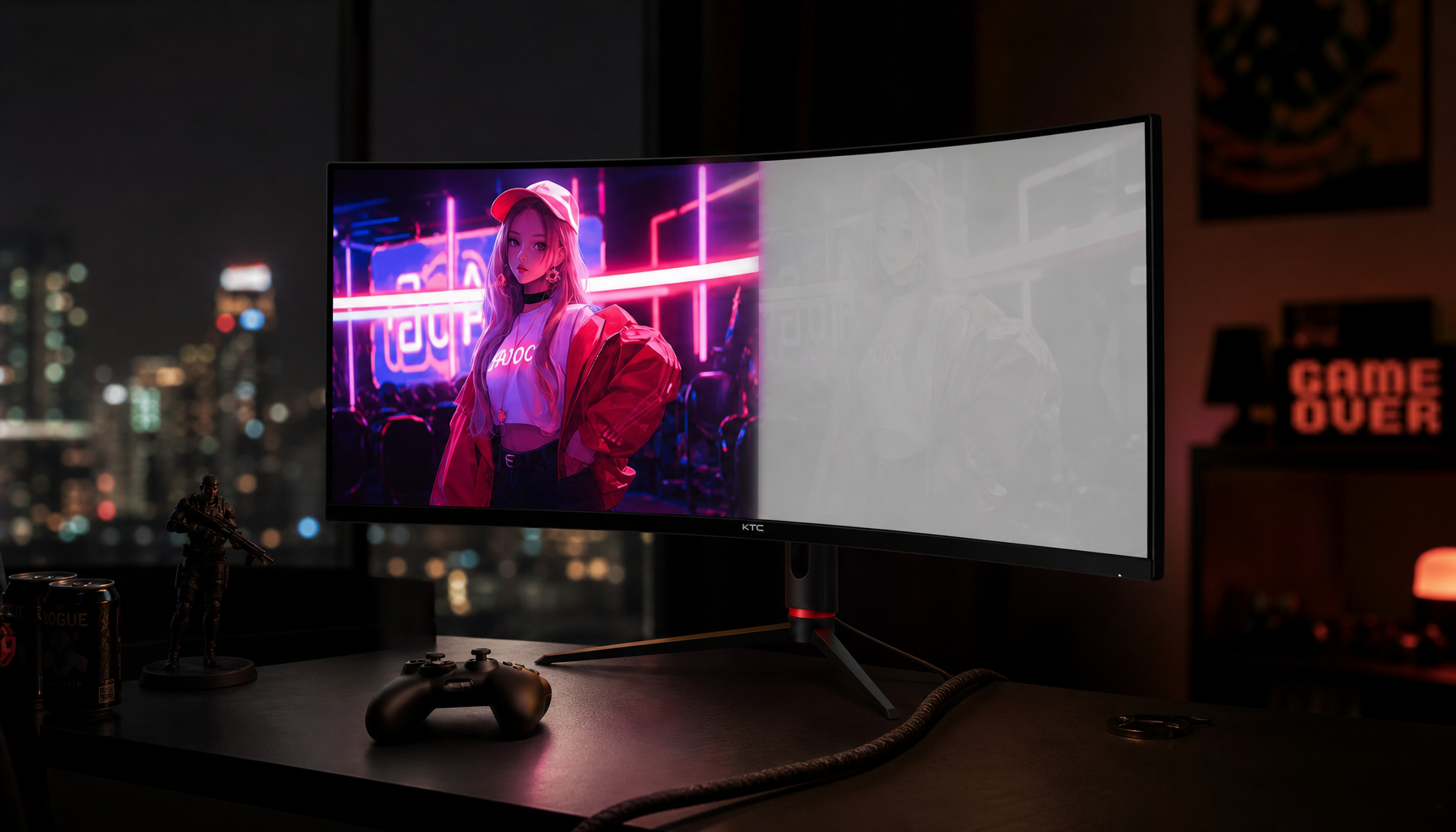
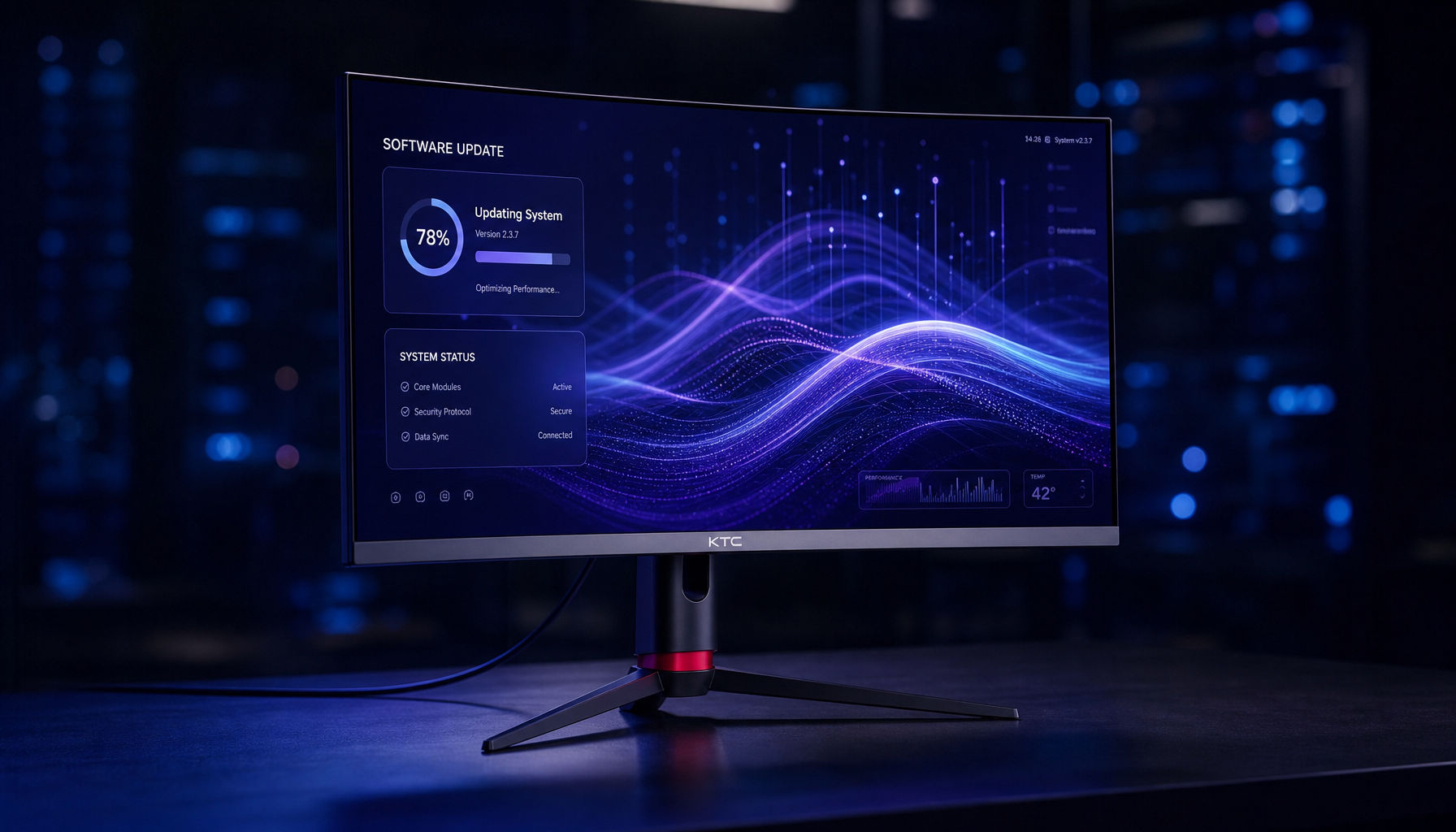
A rolling smart display is a movable touch display that travels with your presentation or creator workflow. It is most useful when the screen needs to move between rooms, sit near an audience, or support live interaction. If the screen stays parked at one desk, a fixed monitor is usually the simpler choice.

What a Rolling Smart Display Adds
A rolling smart display is best understood as a mobile touchscreen on a wheeled stand, built for collaborative use rather than desk-bound work. In plain terms, it lets you bring the screen to the room instead of making the room gather around a fixed setup. That matters for client demos, workshop sessions, and creator reviews where people need to see and interact with the content together.
That workflow-first definition lines up with how interactive displays are described in business settings: the value is less about hype and more about moving an interactive screen where people can use it together. Interactive Touchscreens: The Future of Business Displays The category also fits the broader mobile touch screen browsing path if you want to compare portable touch display options by size and use case.
The main decision is not "mobile or not" in the abstract. It is whether the display needs to travel with the task. If the answer is yes, mobility becomes part of the product's value. If the answer is no, you are probably paying for convenience you will not use.
When a Rolling Setup Makes Sense
For most buyers, the rolling setup makes sense when the screen is part of the presentation path. That usually means you are moving into a conference room, a temporary collaboration zone, a showroom, or a studio where the display gets repositioned often. In those settings, a portable smart display for presentations can reduce the awkwardness of moving laptops around or crowding around a fixed desk screen.

Client Demos and Sales Walkthroughs
Interactive displays can help clients explore information at their own pace and participate directly in the demo, which is why they work well in sales-style walkthroughs. Interactive Touchscreen Experiences in Action A rolling display fits that use case when the demo needs to happen where the audience is, not where the desk happens to be.
That is why a mobile touch display for creators or sellers often feels more natural than a fixed monitor in a meeting room. It puts the content at eye level, near the group, and in the same physical space as the conversation. For a deeper retail-facing example of that setup, see rolling smart screens for floor sales.
Creator Review Sessions
Creators usually care less about the novelty of a rolling stand and more about reducing friction during review sessions. A mobile display helps when you want to move video cuts, mockups, or visual edits into a collaboration area instead of staying tied to a desk. Touch becomes useful here when it supports quick on-screen review, annotations, or direct navigation.
The catch is that the workflow still has to match the device. If your apps, sign-in flow, or file handoff are awkward on the screen itself, a mobile display will not fix that. It only makes the review surface easier to move.
Training Rooms and Workshop Spaces
Training rooms and workshops benefit when the same display has to serve different groups or stations. In those spaces, the value is visibility and repositioning, not raw spec chasing. A larger screen can help, but room layout, audience distance, and cable routing often matter more than a headline number.
This is also where a rolling smart display can save time between sessions. You can move the screen closer to the next group instead of reconfiguring the whole room. That said, if the room is already built around a fixed teaching wall, the mobile setup may be more hassle than help.
Rolling Display vs. Fixed Desk Monitor
The right choice depends on whether the screen is part of a moving workflow or a stationary workstation. A fixed desk monitor usually wins on simplicity when the screen stays in one place. A rolling smart display wins when the room, audience, or use point changes often.
| Decision Factor | Fixed Desk Monitor | Rolling Smart Display |
|---|---|---|
| Mobility | Best when the screen mostly stays put | Best when the screen must move with the task |
| Group Viewing | Works if the desk is already aligned to the audience | Better when you need to bring the screen to the group |
| Setup Friction | Usually lower once installed | Higher if cables, angle, or stand position are not planned well |
| Cable Management | Easier when the setup never changes | More important because cables can block repositioning |
| Desk Permanence | Strong fit for a dedicated workstation | Better for rooms, demos, and shared spaces |
A good decision rule is simple: if you already know the screen will sit in one room and serve one desk, a fixed monitor is usually the cleaner buy. If the screen must move with meetings, demos, or creative review sessions, a rolling smart display is the more relevant category.
What to Check Before You Buy
- Confirm the screen size against the room. Bigger is not automatically better if the audience sits close or the room is tight.
- Verify touch support on the exact model. Touch is only useful if it matches the way you plan to navigate, annotate, or present.
- Check the height and angle range. The display should work for standing demos and seated review sessions without forcing awkward posture.
- Look at the port mix. For mobile presentation work, the right input options matter more than a long feature list.
- Inspect the stand and wheel behavior. A rolling display should move cleanly without fighting cable tension or an awkward base.
- Treat battery claims as a fit check, not a promise. A built-in battery can help with repositioning or short sessions, but it does not guarantee untethered all-day use.
- Match the software to the workflow. Android-based features, Google EDLA, and app access should be checked against the exact apps you use.
That last point is where many buyers overestimate convenience. If the display looks right but the app stack does not, the setup becomes a compromise instead of a workflow upgrade. For teams that want a deeper procurement lens, EDLA and office display planning is worth a look.
How the MegPad Fits Mobile Presentation Workflows
The featured model fits this category best as a room-to-room presentation display rather than a desk replacement. The exact product is the KTC MEGAPAD 32" 4K Android 14 Google EDLA Smart Touch Monitor with 8550mAh Battery, and its verified features line up with the use case in a practical way: 31.5-inch 4K resolution, touch support, Android 14, Google EDLA, Wi-Fi 6, Bluetooth 5.2, Type-C, HDMI 2.0, USB 3.0, an 8550mAh battery, and a 12-month warranty.
For small-group demos or creator review sessions, that combination can reduce the number of devices you need to juggle. The screen size gives you a more comfortable shared viewing surface, while the built-in platform and ports can simplify the "walk in, connect, present" workflow. The key is to treat those features as workflow enablers, not as proof that every app or every room will feel seamless.
The battery and adjustable stand are especially relevant if you plan to reposition the display often. They help make the product more usable in mobile workflows, but they do not tell you everything about long sessions, room layout, or how often you will still want wall power nearby. If you want a broader category view while comparing options, the smart monitor collection is the cleaner navigation path.
Setup Moves That Matter
- Place the display where the audience naturally gathers. If people have to twist around furniture to see it, the mobile advantage is wasted.
- Route cables before the session starts. Cable tension is one of the fastest ways to turn a movable display into a frustrating one.
- Set the height for the group, not just for you. A screen that looks fine from one chair may be too low or too high for standing discussion.
- Check the angle from the back of the room. The right viewing position is the one the group can actually use, not the one that looks neat from the side.
- Run a short dry test. Open the apps, switch the input, and move the stand once before the real presentation so you can catch friction early.
That checklist keeps the category honest. A rolling display is only helpful if it can still move, connect, and present without turning into a fixed screen with extra steps. If the room layout makes every repositioning awkward, the simpler answer may be a fixed desk display or a different stand strategy.
Final Takeaway
A rolling smart display makes the most sense when the screen has to travel with the work. If you are running client demos, workshops, or creator review sessions across different rooms, the mobility can matter more than raw spec talk. If the screen stays at one desk, a fixed monitor is usually the better fit. Before you buy, verify the exact model's size, ports, battery behavior, and app workflow against your room and use case.
FAQs
How Do I Know If a Rolling Smart Display Is Better Than a Desk Monitor?
Choose the rolling setup when the display needs to move between rooms, face a group, or support live demos. If the screen will stay at one desk, a fixed monitor is usually simpler and easier to live with.
What Screen Size Works Best for Mobile Presentations?
There is no universal best size. Smaller rooms usually do fine with a mid-size screen, while larger groups need more viewing area. The room layout and audience distance matter more than a blanket size rule.
Can a Rolling Smart Display Replace a Laptop During Demos?
Sometimes, but only if the built-in platform and apps match your workflow. It can reduce laptop dependence for some presentations, but it is not a universal replacement for every software stack or meeting format.
What Should I Check About Touch Support Before Buying?
Verify that touch is supported on the exact model, then confirm that your apps respond well to touch input. Touch helps most when the workflow includes navigation, annotation, or quick on-screen interaction.
How Do I Set Up a Rolling Display for Client Demos?
Put it where the audience can see comfortably, route cables so the stand can still move, and test the app or input flow before people arrive. The best setup is the one that works the same way twice in a row.