Pixel refresh cycles help OLED gaming monitors by running built-in maintenance after use, so static HUDs, taskbars, and bright interface elements are less likely to age one area of the panel faster than the rest. They reduce burn-in risk, but they are not a magic reset button.
If you have ever finished a long session and stared at a minimap, health bar, or desktop taskbar wondering whether it is now permanently stamped into your screen, that concern is valid. In one real-world example, a reviewer logged 2,656 hours over nine months on an OLED monitor and still saw little to no burn-in in normal use, which shows how much the built-in protection stack matters. You will get a practical explanation of what pixel refresh does, when to let it run, and how to judge burn-in risk when buying an OLED gaming display.

What Pixel Refresh Is Really Doing
On current gaming displays, pixel refresh is a hardware-based feature built into the monitor firmware rather than an operating-system utility you install later. A company’s guidance around OLED protection is useful here: features such as pixel refresh, pixel shifting, and static screen detection are part of the monitor itself, and on models such as a brand’s 31.5-inch UHD 240Hz OLED gaming monitor they operate automatically in the background.
In practical use, OLED image cleaning can run after you power the monitor off, where it checks for pixels that did not fully turn off and looks for signs of wear before the display fully shuts down. That is the key point for gamers: pixel refresh is preventive maintenance. It helps the panel manage uneven stress from long sessions, but it should be understood as risk reduction, not as a cure that can make permanent panel wear disappear.
How It Differs From Other OLED Protection Features
Feature |
What it does |
Typical trigger |
What it helps with |
Pixel refresh or image cleaning |
Runs a maintenance pass after use |
Usually after shutdown or long use |
Reduces visible impact of uneven wear |
Pixel shifting or Pixel Move |
Slightly moves the image |
During normal use |
Spreads stress from static HUDs and UI |
A feature |
Shifts the full image by 1 pixel in a pattern |
Every few minutes on supported monitors |
Lowers concentration on the same subpixels |
Static-content dimming or screen saver |
Drops brightness when content stays still |
When the image stops changing |
Reduces strain from paused or desktop content |
Why Long Gaming Sessions Create Uneven Wear
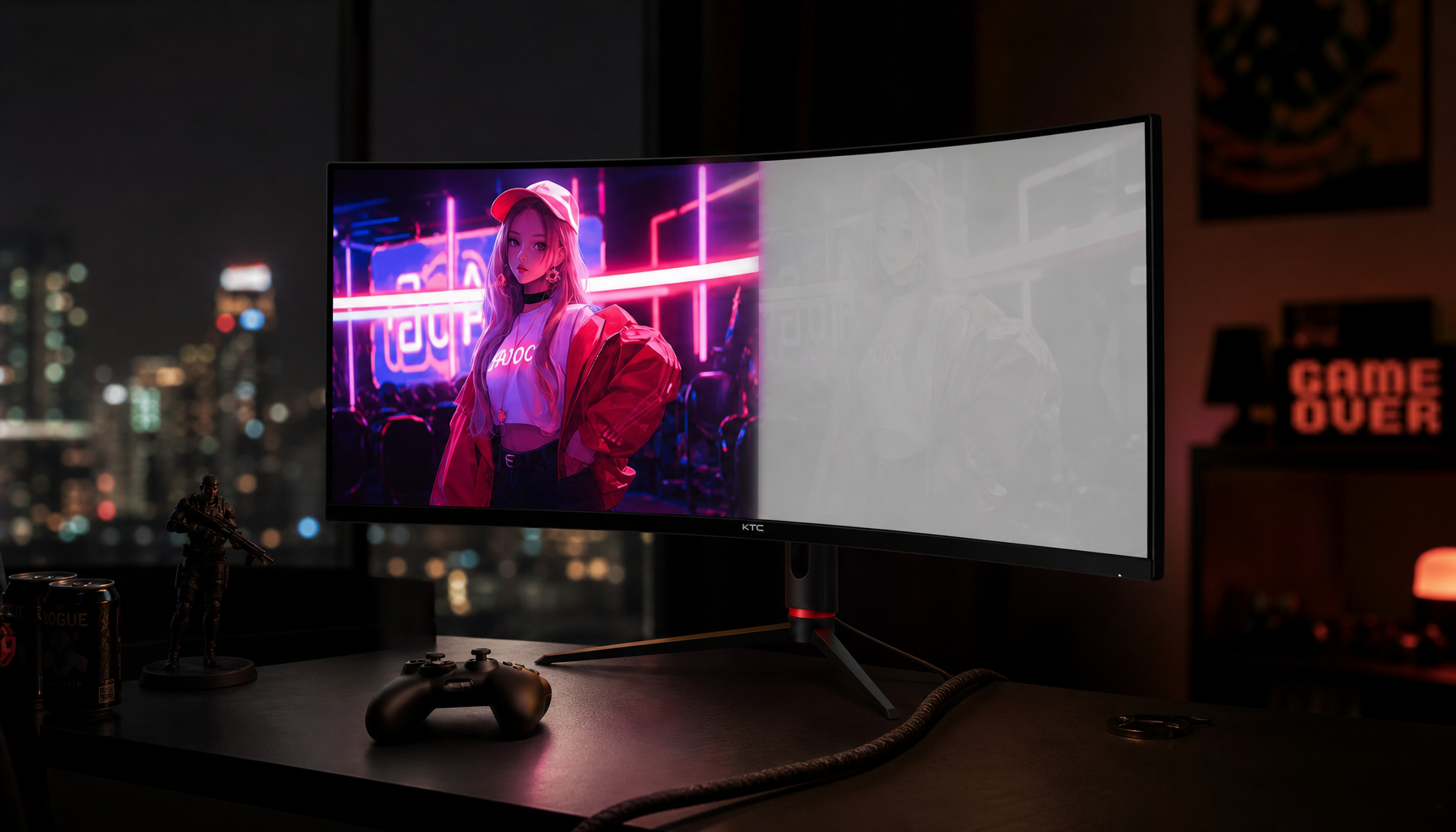
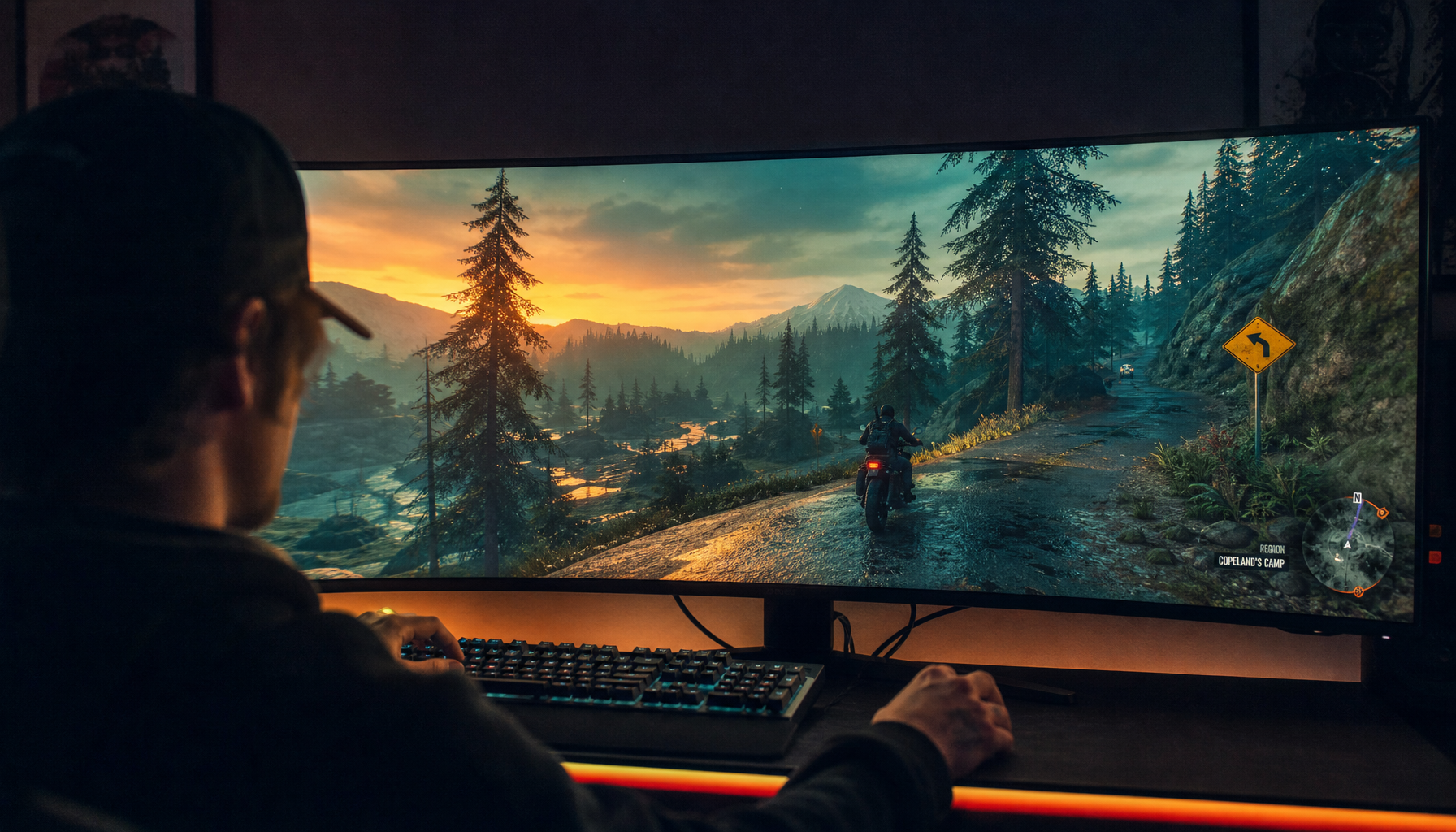
OLED pixels degrade faster under static images, high brightness, and heat, which is why gaming habits matter more than simple panel age. A fast-moving shooter played full-screen is not the same workload as an MMO on a 34-inch ultrawide with fixed hotbars, a minimap, party frames, and a bright chat box in the same place every night. The same goes for gamers who use one display for everything: a platform, a platform, browser tabs, a tool, and a desktop all add more static elements than the game alone.
A brand describes burn-in as damage caused when a pixel shows one color for too long, which is why ghosted shapes usually match repeated interface patterns rather than entire scenes. For high-refresh-rate displays, that is an important buying distinction: 240Hz does not create burn-in by itself. The real risk comes from repeated bright, static elements such as score boxes, minimaps, crosshair overlays, taskbars, or white productivity windows left on-screen for hours.
Why Pixel Refresh Works Best With Other Protections
Manufacturers reduce burn-in risk with several protection layers, not with pixel refresh alone. A brand’s feature shifts the whole image by 1 pixel in a circular path every 3 minutes, while a company also points to pixel shifting and static screen detection as part of the same protection stack. That means the best OLED monitors are always managing risk in small ways, both during gameplay and after you shut the display down.
A long-term OLED monitor test used reduced brightness, Pixel Move, a screen saver, and automatic image cleaning together. In that case, the monitor’s peak brightness was disabled, brightness was set to 50%, the taskbar was auto-hidden, and after 2,656 hours the visible marks were faint enough to show up mainly on grayscale tests at high brightness rather than in normal play. That is the real lesson for buyers: pixel refresh matters, but the monitor lasts best when the rest of the protection features stay enabled too.
When You Should Let the Refresh Cycle Run
A brand says its image retention refresh runs when the monitor is turned off after 8 or more hours of use, and that cycle takes about 6 minutes. For a gaming monitor owner, the practical habit is simple: after a long session, use the monitor’s normal power button and let it finish its shutdown routine. Do not kill power at the surge strip the moment you quit a game if your display is designed to run panel maintenance after shutdown.
A publication reports a similar image-cleaning process that takes about 5 to 10 minutes, which lines up with what many OLED monitor owners see in real use. You do not need to obsessively trigger these routines every time you stand up for coffee, but you also should not skip them after marathon sessions. The safest pattern is to let the automatic cycle run when the monitor prompts for it or when it normally starts after prolonged use.
How to Judge Burn-In Risk Before You Buy
OLED protection features are far more meaningful on monitors that expose them clearly in firmware. When you are comparing gaming monitors, look past panel type and refresh rate alone. The better buying questions are whether the on-screen display includes pixel refresh, pixel shifting or Pixel Move, static-content dimming, and an automatic maintenance cycle that runs without extra software.

Modern OLED panels take much longer to burn in than older ones, so the decision should be based on your usage pattern rather than fear alone. If your monitor will spend most of its life showing varied full-screen games, you can treat burn-in as a manageable tradeoff. If you want one OLED to serve as a daily desktop, a stream dashboard, and a HUD-heavy MMO screen for many hours a day, you should weigh that use more carefully and prioritize models with a strong protection stack and clear warranty language.
Practical Next Steps
Pixel refresh is most useful when it is treated as part of a routine, not as an emergency fix after damage is already obvious. For most gamers, the right approach is to leave the built-in protections alone, lower unnecessary brightness, and avoid forcing the same bright interface layout onto the panel for months without variation.

The biggest mistake is assuming the cycle can do the whole job by itself. It helps prevent uneven wear, but your habits still decide how hard the monitor has to work.
Action Checklist
- Leave pixel refresh or image cleaning enabled in the monitor’s OSD.
- After long sessions, power the monitor off normally and let the 5 to 10 minute maintenance cycle finish.
- Keep pixel shifting, Pixel Move, or a feature turned on.
- Lower peak brightness if you spend hours in the same game or on the same desktop layout.
- Auto-hide the taskbar if the monitor doubles as a daily desktop display.
- Break up long runs of static HUD-heavy content with varied full-screen content when possible.
FAQ
Q: Does pixel refresh remove existing burn-in?
A: No practical buyer should treat it that way. Pixel refresh is best understood as prevention and maintenance that lowers the chance of visible uneven wear, not as a guaranteed repair for permanent panel damage.
Q: How often should I let pixel refresh run on an OLED gaming monitor?
A: Let the automatic cycle run after long sessions or whenever the monitor normally triggers it. A common pattern from the sources is a refresh after about 8 hours of use, lasting roughly 6 minutes, while another example reported 5 to 10 minutes after shutdown.
Q: Should burn-in stop me from buying an OLED gaming monitor?
A: Not by itself. If you want OLED contrast, fast response, and strong motion performance, the better question is whether your usage is mostly varied gameplay or mostly static desktop and HUD content. The more static your routine, the more valuable the monitor’s protection features become.