RuneScape players frequently run long skilling sessions or complex quests while following video guides or wikis, but constantly switching between windows or using a cluttered dual-monitor desk breaks focus and wastes efficiency. Picture-by-Picture (PBP) on a single high-resolution monitor solves this by splitting one physical screen into two independent inputs, letting you keep Old School RuneScape active on one side and your guide on the other without bezels or neck strain.

Choose PBP if you value centered ergonomics and zero-bezel immersion for OSRS grinding sessions. Choose dual monitors if you require high-refresh rates above 60Hz or play competitive games alongside your MMO. Invest in a 4K or super-ultrawide monitor to ensure text legibility when the screen is split.
The Multitasking Meta: Why RuneScape Players Need More Screen Real Estate
Old School RuneScape and many modern MMOs feature long AFK-style grinds, intricate quest lines, and repetitive tasks that pair naturally with secondary content such as YouTube tutorials, wiki pages, or even entertainment streams. Players often lose concentration or miss important in-game events when alt-tabbing between a full-screen game and a browser.
This multitasking meta is well-documented in the RuneScape community, where split-screen approaches on tablets or multi-window setups help maintain efficiency during extended play. A single large monitor with hardware-level splitting reduces desk clutter and keeps everything in one ergonomic viewing plane, which is especially valuable on smaller setups where a second display feels impractical.
For many efficiency-focused gamers, the goal is readable game visibility plus guide content without the physical or mental overhead of multiple screens. This is where hardware features like PBP become practical tools rather than gimmicks.
What is Picture-by-Picture (PBP) and How Does It Work?
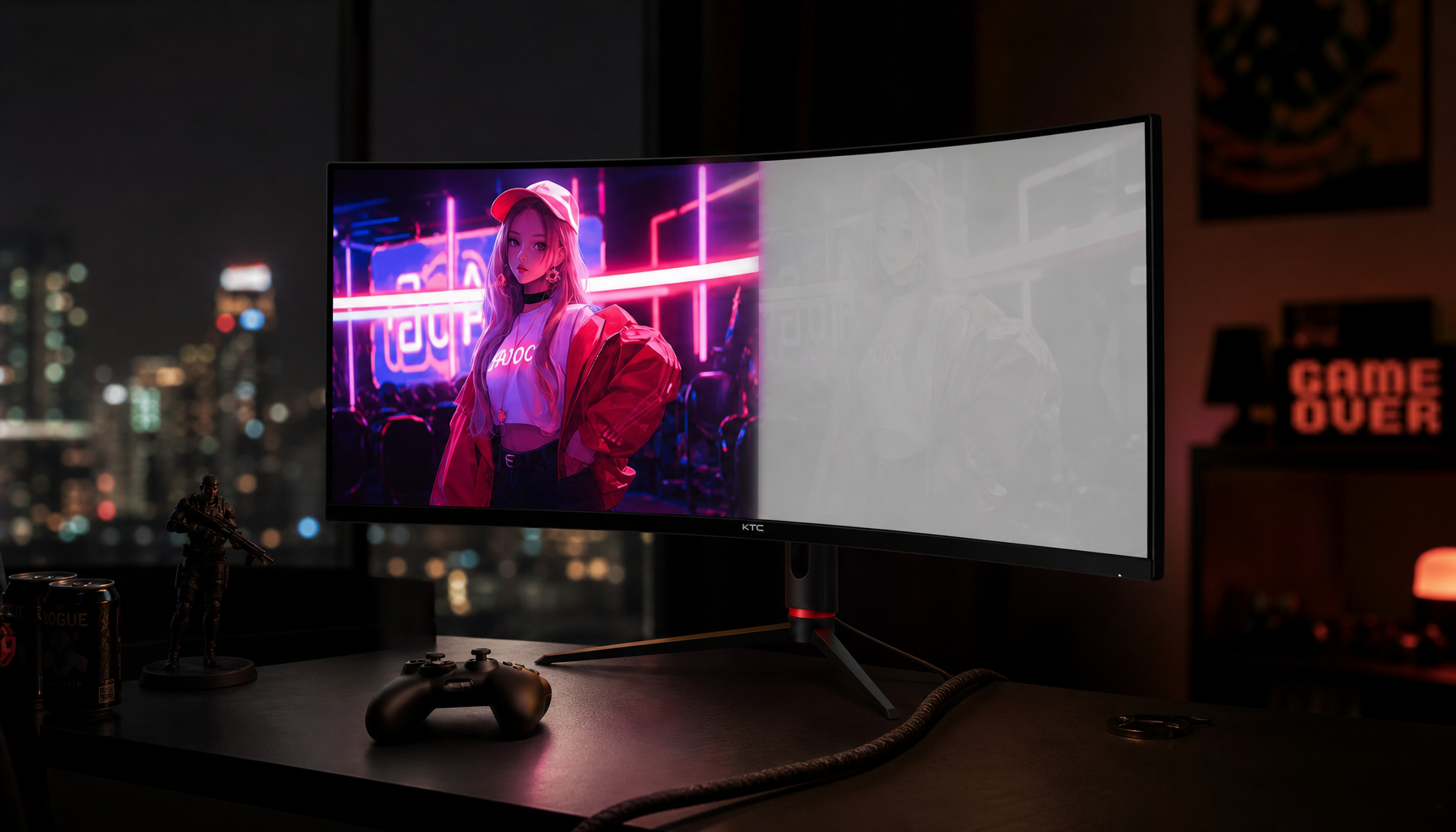
Picture-by-Picture is a hardware-level feature built into many monitors that divides one physical panel into two or more independent display areas, each accepting a separate video signal. As this official EIZO guide explains, PBP treats the screen as multiple virtual monitors from different sources, such as two outputs from one PC, or a PC plus a laptop, console, or streaming device.
Unlike software window snapping in Windows, which can introduce latency, focus issues, or instability during full-screen games, PBP delivers a stable, zero-bezel split directly at the display level. This makes it particularly useful for RuneScape players who want one side locked to gameplay at native performance and the other dedicated to a guide video without interference.
PBP is distinct from Picture-in-Picture (PIP), which simply overlays a smaller window. For full multitasking where both sources need equal real estate, PBP provides the cleaner experience. Note that exact implementation, including supported resolutions and refresh rates, varies by monitor model.

PBP vs. Dual Monitors: Which Setup Wins for OSRS?
The choice between PBP and a traditional dual-monitor layout depends on your priorities for ergonomics, desk space, and performance needs. PBP shines when you want everything centered on one seamless panel, eliminating the bezel gap and neck-craning motion that comes from glancing between two separate displays. A single stand and fewer cables also keep your workspace tidy during long skilling or questing sessions.
However, dual monitors preserve full flexibility for high-refresh-rate gameplay on the primary screen and easier toggling between setups. The chart below clarifies the likely pattern across common priorities for RuneScape multitasking.
In practice, PBP often delivers the more immersive single-surface experience for OSRS, but the typical 60Hz cap and disabled variable refresh rate (VRR) in PBP mode make dual monitors the safer choice when you also run competitive titles or demand smoother motion. Many OSRS players find the comfort advantage outweighs these limits during pure grinding or questing.
For more on matching monitors to different game types, see our guide on how to match your monitor to your favorite game.
Optimizing Your Setup for Readability and Visibility
The most common complaint with PBP is stretched or blurry text, which defeats the purpose of reading guides alongside gameplay. The fix is almost always manual resolution configuration in your graphics control panel or Windows display settings. On a 4K monitor, forcing a 1920x2160 split per side often restores crispness. On a 49-inch super-ultrawide like those with 5120x1440 native resolution, feeding two 2560x1440 signals delivers native sharpness without distortion.
Input choice matters for stability. Using DisplayPort for your primary game output and HDMI for the guide source typically provides the most reliable handshake. Disabling certain Windows font smoothing options can further improve legibility of small RuneScape interface text or wiki fonts in the split view.
These steps turn PBP from a novelty into a genuinely usable multitasking tool. Experimentation is usually required because exact behavior depends on your specific monitor, GPU, and sources. For players prioritizing text-heavy guides, higher pixel-density panels (4K or dense ultrawides) make the biggest difference.
If you are exploring ultrawide options for this kind of workflow, our ultrawide gaming monitor guide covers additional considerations.
Best KTC Monitors for the Ultimate RuneScape Guide Setup
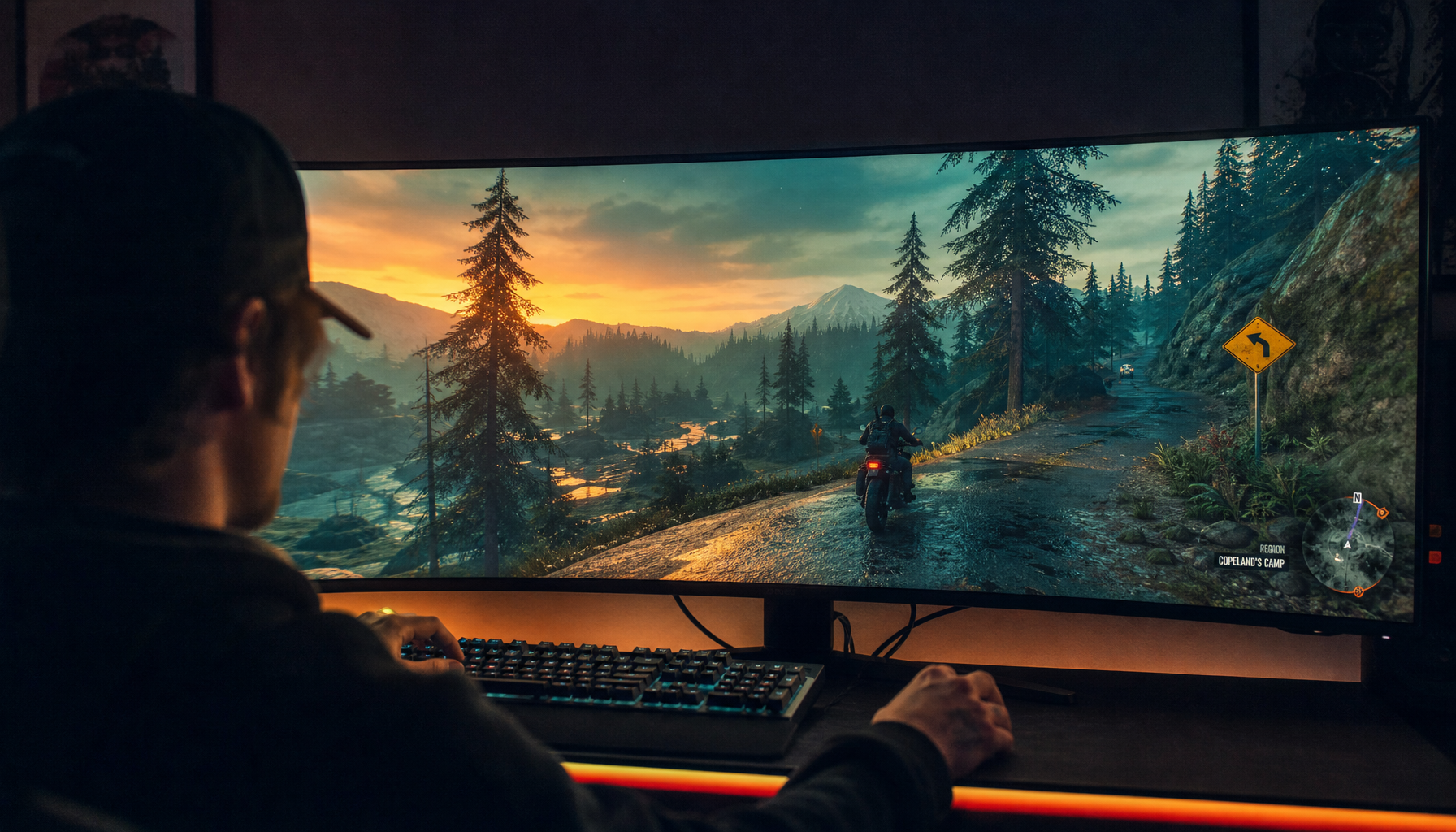
For serious RuneScape multitasking, screen real estate and pixel density are the primary factors. The KTC H49S66 stands out as a strong option because its 49-inch 32:9 panel physically equates to two 27-inch 16:9 displays side-by-side with no bezel, making it ideal for placing gameplay on one half and a full guide video on the other. Its high resolution supports clean splits when properly configured.
The KTC H34S18S offers a more compact and budget-friendly ultrawide alternative. Its 34-inch 21:9 curved panel provides enough width for comfortable side-by-side windows during questing or skilling while remaining manageable on smaller desks.
For users who prefer a traditional 16:9 layout with maximum text clarity, the KTC H32P22P 32-inch 4K model delivers excellent pixel density. Even when split 50/50, small wiki text and interface elements remain readable, which is critical for following precise step-by-step guides. Check current specs and PBP compatibility on the product page before purchase, as implementation details can vary.
These choices align with different desk sizes and budgets. Larger super-ultrawides suit dedicated grinding stations, while 4K panels prioritize sharpness in more compact spaces. For broader advice on monitor selection, review our guide to choosing a gaming monitor.
When PBP Might Not Be the Right Choice: Limits and Troubleshooting
While PBP excels at convenient multitasking, it has practical limits. Most implementations cap the refresh rate at around 60Hz across both inputs and disable VRR technologies such as G-Sync or FreeSync. This is usually acceptable for the relatively slow-paced nature of RuneScape but can feel limiting if you also play fast-paced games on the same system.
The OSD menu navigation required to toggle PBP on and off introduces a small “toggle tax” of several seconds, which feels more cumbersome than simply powering a second monitor. Resolution and aspect-ratio mismatches are also frequent until custom settings are applied, potentially causing stretched images or black bars until corrected.
If these constraints outweigh the ergonomic benefits for your playstyle, a dual-monitor or software-only solution may be more suitable. Start by verifying your monitor’s exact PBP capabilities in its manual, then test simple splits before committing to long sessions. Adjusting cable routing, updating GPU drivers, and experimenting with input priority often resolves the majority of handshaking or stability issues.
For additional perspectives on monitor layouts, our article on vertical vs horizontal dual monitor setups explores complementary approaches.
Does Picture-by-Picture Work With Any Monitor?
No. PBP support is a specific hardware feature that must be listed in the monitor’s specifications. Many budget or older panels lack it entirely, and even among supported models, the available split configurations, maximum resolutions, and input combinations differ. Always confirm PBP availability and tested behavior for your exact GPU and source devices before relying on it for daily use.
Is PBP Better Than a Second Monitor for Watching Guides?
It depends on your priorities. PBP usually wins for centered viewing, zero bezel, and reduced desk clutter during pure OSRS sessions. A second monitor is typically better when you need independent refresh rates, easier toggling, or the ability to physically separate a high-performance game screen from lower-priority content. Many players combine both approaches depending on the session type.
How Long Does It Take to Set Up PBP for RuneScape?
Initial configuration usually takes 10–20 minutes, including connecting cables, entering the OSD menu, and adjusting resolutions in Windows or your GPU control panel. Subsequent daily use is faster once saved profiles or hotkeys are established, though toggling the feature still requires OSD navigation on most monitors. Custom resolution tweaks for optimal readability may require additional trial and error.
Can You Use PBP With a Laptop and Desktop at the Same Time?
Yes, this is one of PBP’s strongest use cases. Connect your desktop via DisplayPort for the game and your laptop via HDMI for the guide video or browser. The monitor treats each source independently, allowing you to run RuneScape on the more powerful system while pulling up detailed wikis or video walkthroughs from the laptop without any software sharing.
What Should I Check First Before Buying a Monitor for PBP Multitasking?
Verify native resolution, confirmed PBP layout options, and any documented refresh-rate or VRR limitations in the manual. Prioritize panels with at least 4K or dense ultrawide resolution for text clarity when split. Test real-world readability with your specific game and guide content if possible, and consider desk space and stand ergonomics for long sessions.
For more on curved versus flat panels in immersive setups, see our curved vs flat monitors guide.