Your monitor can show a convincing PBR render, but it cannot reproduce the full physical behavior of light on metal, glass, fabric, paint, or skin. PBR creates plausible, consistent material response, while a display compresses that response through pixels, color profiles, brightness limits, and room-dependent perception.
PBR Is a Lighting Model, Not the Real Material
Physically based rendering simulates how surfaces reflect, scatter, and absorb light, using material channels like base color, metallic, roughness, normal, and specular response. In practice, PBR materials are controlled approximations: they help a plastic shell, brushed aluminum edge, or matte desk surface behave consistently across scenes.
That consistency is useful for games, product previews, and 3D design, but it is not the same as holding the real object under real light. PBR often works in RGB values, while real surfaces can depend on wavelength-level effects, surface thickness, microscopic structure, coating layers, and viewing angle.

A chrome highlight may look sharp in a render, but the monitor is only displaying a mapped image of that reflection. It is not actually reflecting your room.
Tone Mapping Crushes the Material Signal
PBR scenes can contain brightness ranges far beyond what a display can output. A small specular glint may be dozens of times brighter than the base surface, so the rendering pipeline has to compress high-dynamic-range data into the screen’s limited output range.
That compression is called tone mapping, and tone mapping can shift brightness, saturation, contrast, and highlight detail. If it protects highlights, the material may look flatter. If it preserves midtones, glossy edges may clip into plain white.

This is why the same PBR leather, ceramic, or anodized aluminum can look different in a game engine, web viewer, and product configurator. The material data may be identical, but the final display transform is not.
Your Monitor Adds Its Own Bias
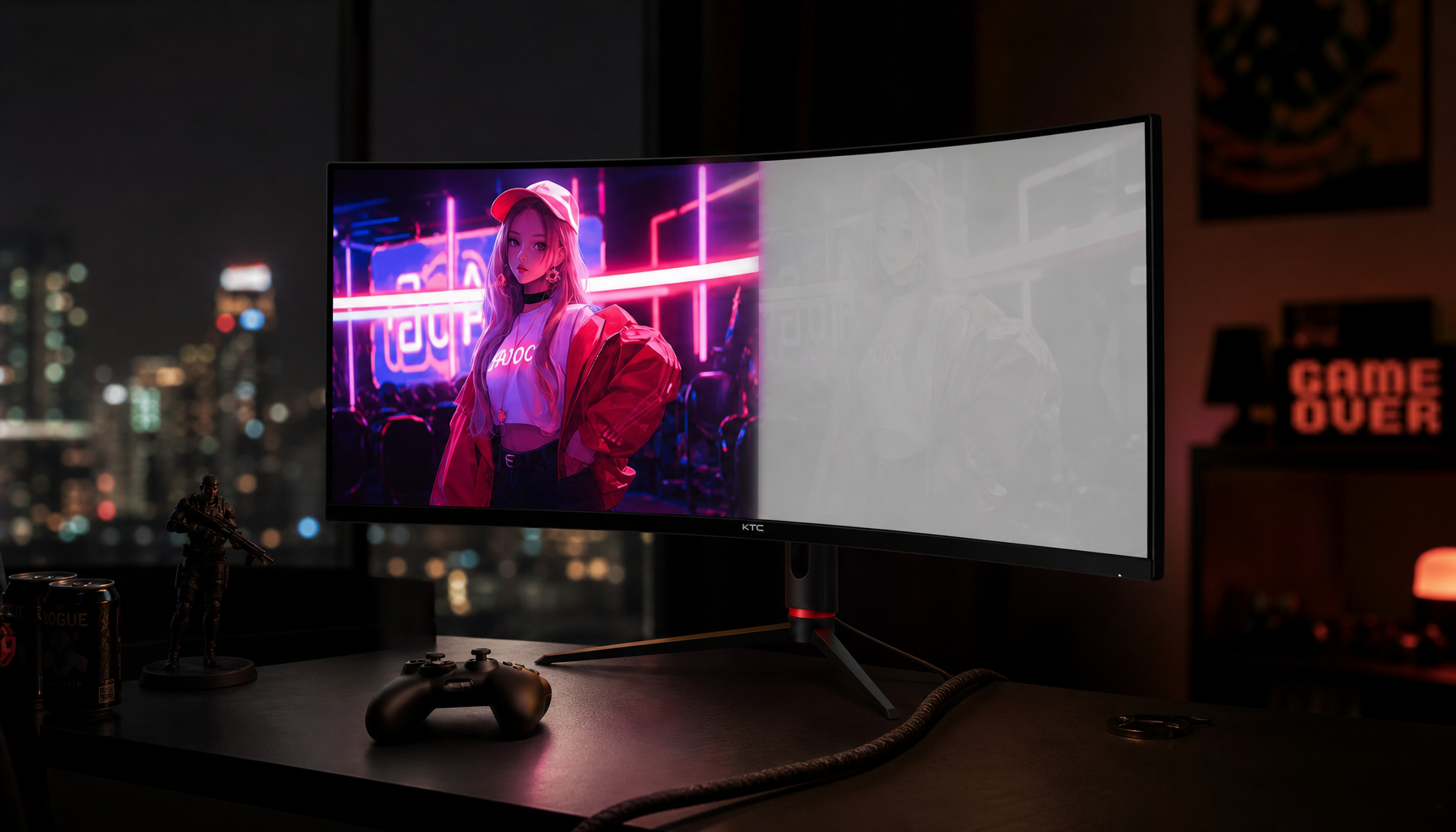
Even a high-refresh gaming monitor or sharp office display has its own visual bias. Factory modes often push brightness, contrast, and saturation because they look impressive in bright retail lighting, not because they are accurate for PBR review.
For reliable material judgment, start with a stable picture mode, disable dynamic contrast, and target familiar baselines like a 6500K white point, 2.2 gamma, and controlled brightness. A gaming monitor calibration workflow matters because crushed blacks can hide roughness detail, while clipped whites can erase clear coat, bevels, and metallic highlights.
Before judging PBR, warm up the monitor for at least 30 minutes. Use Standard, User, or sRGB mode when available. Turn off Eco Mode and Dynamic Contrast. Check black and white level test patterns, and calibrate in the lighting where you actually work or play.

Color Space Mistakes Break the Illusion
PBR texture maps are not all images in the same sense. Base color is visual color, but roughness, metalness, normal, height, and occlusion maps are data. Treating a data map like a display-ready color image can distort how the shader reads the material.
That means a rough walnut desk can become too glossy, a painted metal case can lose its coated feel, or a stone surface can show fake depth. The render may still look high resolution, but the physical behavior is wrong.

There is also a deeper gap: physically based rendering aims for optical plausibility, not guaranteed real-world measurement. When color precision, daylight simulation, or complex optical effects are mission-critical, PBR alone is not the final authority.
What This Means for Better Screens
A better display will not make PBR true, but it will reduce the distance between the render and your perception. Look for accurate color modes, strong contrast control, usable HDR behavior, wide but well-managed gamut coverage, and stable viewing angles.
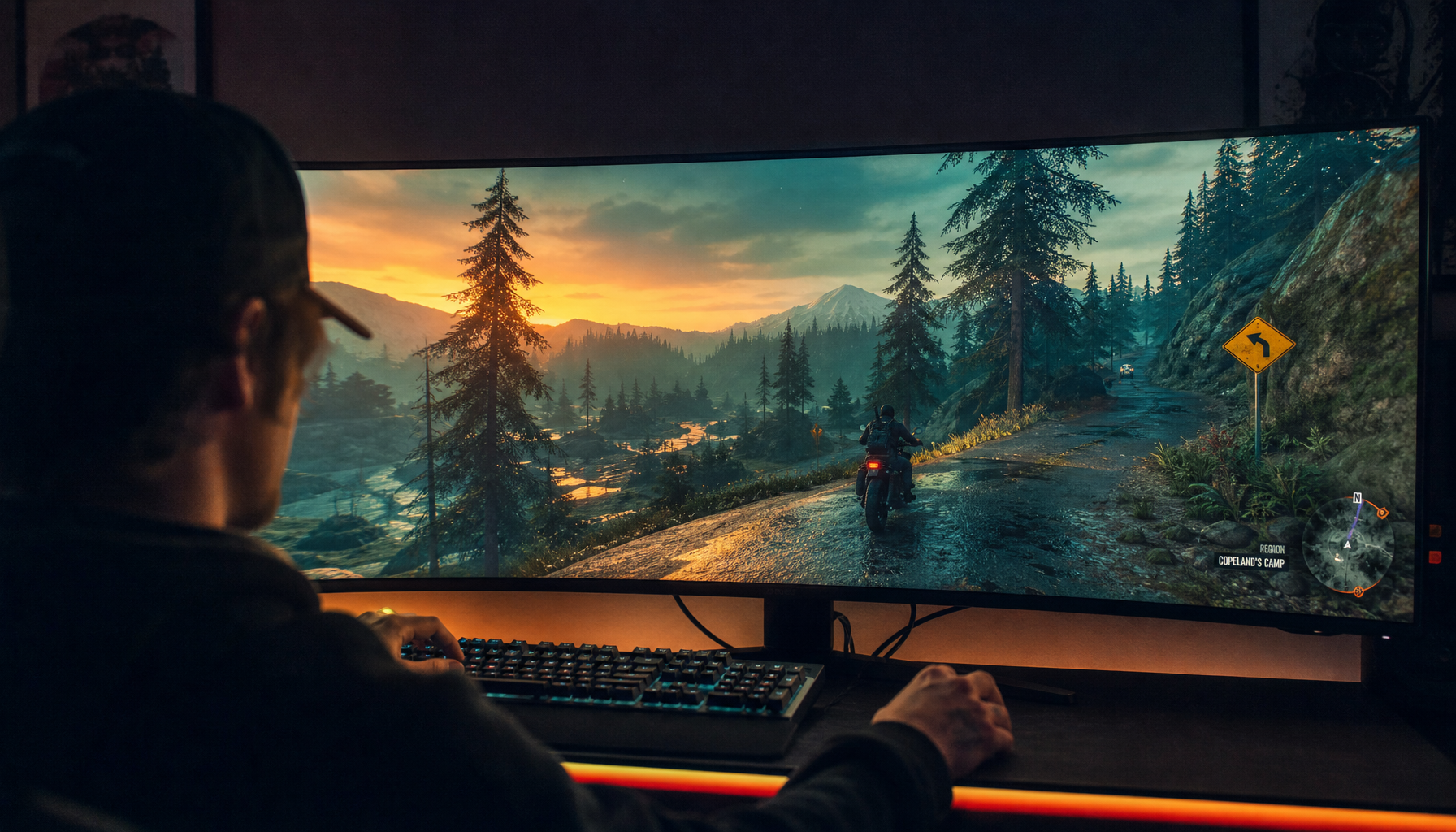
For pro gaming, that means richer material readability without sacrificing speed. For office productivity and design review, it means fewer false decisions about color, finish, and contrast. For portable smart screens, it means the same asset can stay believable when you move from a desk to a client table.
The goal is not perfection. The goal is a display that gets out of the way, so PBR materials look intentional, readable, and immersive instead of overbright, washed out, or artificially glossy.