A rolling smart display can serve as your mobile Matter 2.0 command center for lighting, climate, security, and camera feeds, but it functions best as a controller paired with a stationary, mains-powered Thread Border Router for reliable network stability.
This setup lets you roll a large 32-inch 4K dashboard from the kitchen during meal prep to the living room for family oversight, without being tied to a phone screen or fixed wall tablet. Matter 1.5 and Thread 1.4 deliver the underlying connectivity, yet real-world use reveals important boundaries around mobility, battery behavior, and cross-ecosystem expectations.

What Matter 1.5 and Thread 1.4 Mean for Your 2026 Home
Matter 1.5 brings native support for security cameras via RTSP streaming and expanded energy management features for solar panels, batteries, and EV chargers. These additions increase the information density a dashboard must handle, making a larger screen more practical than a phone for simultaneous multi-camera views and energy grids (Matter Release Timeline & Version 1.5 Features).
Thread 1.4 standardizes credential sharing so devices from different manufacturers can join one unified mesh network instead of creating competing fragments. As of 2026, new Thread Border Routers must meet this specification, which simplifies mixing brands while improving overall reliability (Thread 1.4 Paves The Path For Smart Devices To Work Together).
Together these standards shift the conversation from basic device pairing to effective monitoring and orchestration. The focus moves to choosing the right interface for daily routines and ensuring the underlying network infrastructure stays stable.
The Glass Cockpit: Why a Rolling 32-Inch Dashboard Beats Your Phone
A 32-inch 4K rolling display provides the screen real estate needed for Matter 1.5’s multi-stream RTSP camera feeds and detailed energy dashboards that feel cramped on a smartphone. You gain persistent visibility of nursery, front door, and backyard cameras alongside climate and lighting controls without constantly unlocking a phone.
The mobility changes how you interact with your home. Instead of walking to a fixed wall hub, you roll the display to wherever the task is happening—next to the laundry machines for energy-optimized scheduling or into the living room for family oversight. This eliminates much of the friction that comes from phone-only or stationary-tablet control.
For shared households the large, always-visible interface becomes a family command center rather than a solo phone experience. Models like the A32Q7 Pro - 32" 3840x2160 Mobile Touch Screen Monitor combine Google EDLA Android, touch input, a wheeled stand, and up to 11 hours of battery life, making the “glass cockpit” practical for daily multi-room use.

The 'Unified Dashboard' Myth: Bridging Apple and Google
Matter’s Multi-Admin feature lets a single device be controlled by multiple platforms at once, so the same smart bulb or lock can respond to both Apple Home and Google Home commands (Matter 1.4 Core Specification: Multi-Admin and Enhanced Setup).
However, this does not automatically merge user interfaces or synchronize automations. A “Goodnight” scene created in Apple Home will not appear on your Android-based rolling display’s Google Home app without manual sharing. You must generate a Matter pairing code in one ecosystem and add the device to the other fabric. Platform-exclusive features such as Apple’s Adaptive Lighting or Google’s Nest Aware video history remain locked to their native apps.
This manual device-sharing step is the realistic workflow for multi-ecosystem households. Expect to spend time during initial setup to achieve a practical unified view on the rolling display, but do not anticipate automatic scene or room synchronization across platforms.
Reliability Check: Why Your Rolling Display Needs a Stationary Partner
A rolling smart display excels as a Matter Controller—the interface that commissions devices and issues commands—but it is not a reliable replacement for a dedicated Thread Border Router. The distinction matters because the Border Router provides the always-on bridge between low-power Thread devices and your Wi-Fi or internet connection.
Battery-powered or sleep-capable devices make poor primary Border Routers. When the display moves to another room or enters a low-power state, the Thread mesh can lose routes, causing smart locks or sensors to drop offline. For optimal stability, keep a mains-powered, stationary device such as an Apple TV or Nest Hub as the primary Border Router while using the rolling display purely as a mobile controller (Configuring OpenThread Applications for Thread 1.4 Stability).
Thread Border Router Fit for a Rolling Display
Shows relative reliability risk by device role, power source, and mobility. A rolling display is better kept as a controller; a stationary mains-powered hub is recommended for stability.
View chart data
| Scenario | Battery + High mobility | Battery + Stationary | Mains + High mobility | Mains + Stationary |
|---|---|---|---|---|
| Controller | 1 | 1 | 2 | 2 |
| Border Router | 3 | 3 | 2 | 1 |
The heatmap above clarifies the practical boundary: battery-powered high-mobility devices carry higher risk when asked to serve as the primary Border Router. A stationary mains-powered hub maintains the mesh 24/7, letting the rolling display roam freely as a controller without compromising automation or connectivity.
Practical Room-to-Room Control Scenarios
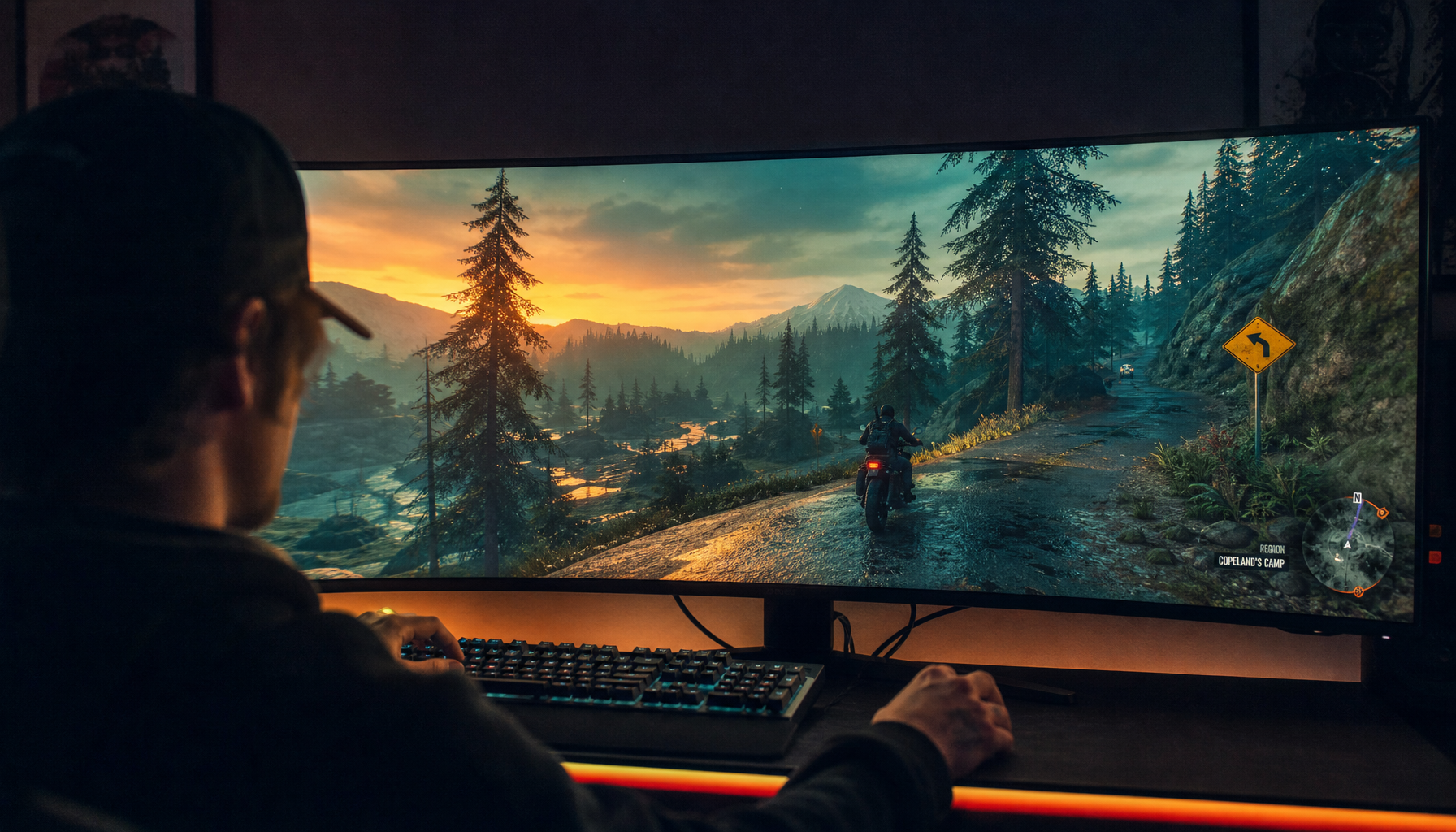
In the kitchen during meal preparation, roll the display beside the counter to view recipe steps while monitoring the nursery camera and adjusting lighting scenes. The 32-inch canvas comfortably shows multiple RTSP streams side-by-side, something a phone cannot match.
Before leaving home, wheel the display to the entryway for a final glance at door locks, thermostat settings, and security camera thumbnails. The shared screen lets every family member perform the same quick status check without passing around a phone.
In family living areas the large touch interface becomes a central hub for adjusting climate zones or testing new automations together. Because the display rolls easily, you avoid the common complaint that the “smart home dashboard is always in the wrong room.”
These scenarios work best when the underlying Thread mesh remains anchored by a stationary Border Router. The rolling display then adds convenience and visibility rather than carrying the network load.
Choosing the Right Setup Path for Your Household
Start by auditing your existing smart home hardware. Identify at least one always-on, mains-powered device capable of acting as a Thread Border Router. If you lack one, add a dedicated hub before relying heavily on a mobile controller.
Next, decide which ecosystem will be your primary dashboard. An Android-based rolling display pairs naturally with Google Home, while Apple users may prefer keeping an iPad or Apple TV as the main interface and using the rolling unit for supplemental views.
For multi-room households that value a shared, large-screen experience over phone-only control, a rolling 32-inch 4K smart display like those in the Mobile Touch Screen collection delivers clear advantages in visibility and flexibility. Apartment dwellers or single-room setups may find a smaller fixed tablet or even an enhanced phone sufficient and less cumbersome to move.
Check your floor plan for clear rolling paths and power outlets where the display can recharge between uses. Test RTSP camera streaming performance on the specific Android version of your chosen model, as layout and refresh behavior can vary. With a stable stationary Border Router in place, the rolling display becomes a powerful mobile glass cockpit rather than a point of network fragility.
FAQs
Can a Rolling Smart Display Fully Replace a Dedicated Thread Border Router?
No. While some high-end models can temporarily participate in the Thread mesh when plugged in, battery-powered or sleep-capable displays are not suitable as the primary Border Router. A stationary, mains-powered device such as an Apple TV or Nest Hub should maintain the network backbone to prevent mesh instability when the display moves or powers down.
How Do I Share Apple Home Devices with a Google EDLA Rolling Display?
Use Matter’s Multi-Admin workflow. In the Apple Home app, generate a pairing code or QR for each device, then add that device to the Google Home fabric on the rolling display. This process must be completed manually for each shared device; scenes and automations do not automatically synchronize between the two platforms.
Does Matter 1.5 Make Multi-Camera Monitoring Practical on a Mobile Dashboard?
Yes, provided you have sufficient screen size. The 32-inch 4K canvas of a rolling display can show simultaneous RTSP streams from multiple cameras alongside energy or climate dashboards, an experience that feels constrained on phones or smaller tablets. Actual smoothness depends on your network, camera quality, and the Google Home app’s large-screen layout.
What Happens to Automations If the Rolling Display Moves Between Rooms?
Local Thread-based automations continue running on the stationary Border Router and connected devices regardless of where the display is located. The rolling unit simply acts as a mobile interface; it does not need to stay in one place for scheduled scenes or sensor-triggered actions to function.
Is a Rolling Display Overkill for Small Apartments?
Often yes. In single-room or small living spaces the added mobility provides limited benefit and the device’s size can become awkward to store. A wall-mounted tablet or even an optimized phone dashboard may deliver similar control with less floor space and setup effort.
How Does Thread 1.4 Improve Mixed-Brand Smart Homes?
Thread 1.4’s standardized credential sharing lets devices from different manufacturers join the same mesh instead of forming separate networks. This reduces fragmentation and improves reliability for households that mix Philips Hue, Eve, Nanoleaf, and other brands under one dashboard.
Will Future Matter Updates Eliminate Manual Device Sharing?
Some improvement in fabric synchronization is expected, but current implementations still require manual pairing steps for full cross-platform visibility. Treat any “unified dashboard” claims with caution and verify the exact sharing workflow for your specific combination of ecosystems and hardware before purchase.