HDR makes compression artifacts easier to see because it expands brightness, contrast, and color detail into ranges where banding, blocking, mosquito noise, and poor tone mapping can no longer hide.
Does a 4K movie look clean in SDR, then suddenly show blotchy skies, noisy shadows, or harsh bands the moment HDR turns on? A disciplined HDR check can separate a bad encode from a display, cable, app, or tone-mapping problem. Here is why HDR exposes these flaws, how to diagnose the cause, and which settings or workflow choices usually fix them.
Why HDR Reveals Problems SDR Can Mask
HDR is not just “brighter SDR.” It changes how image brightness and color are encoded, displayed, and judged. HDR displays can push highlights above normal SDR white while preserving deeper shadow detail, which gives games, movies, and creative work a more dimensional look. That same extra range also gives compression mistakes more room to become visible.
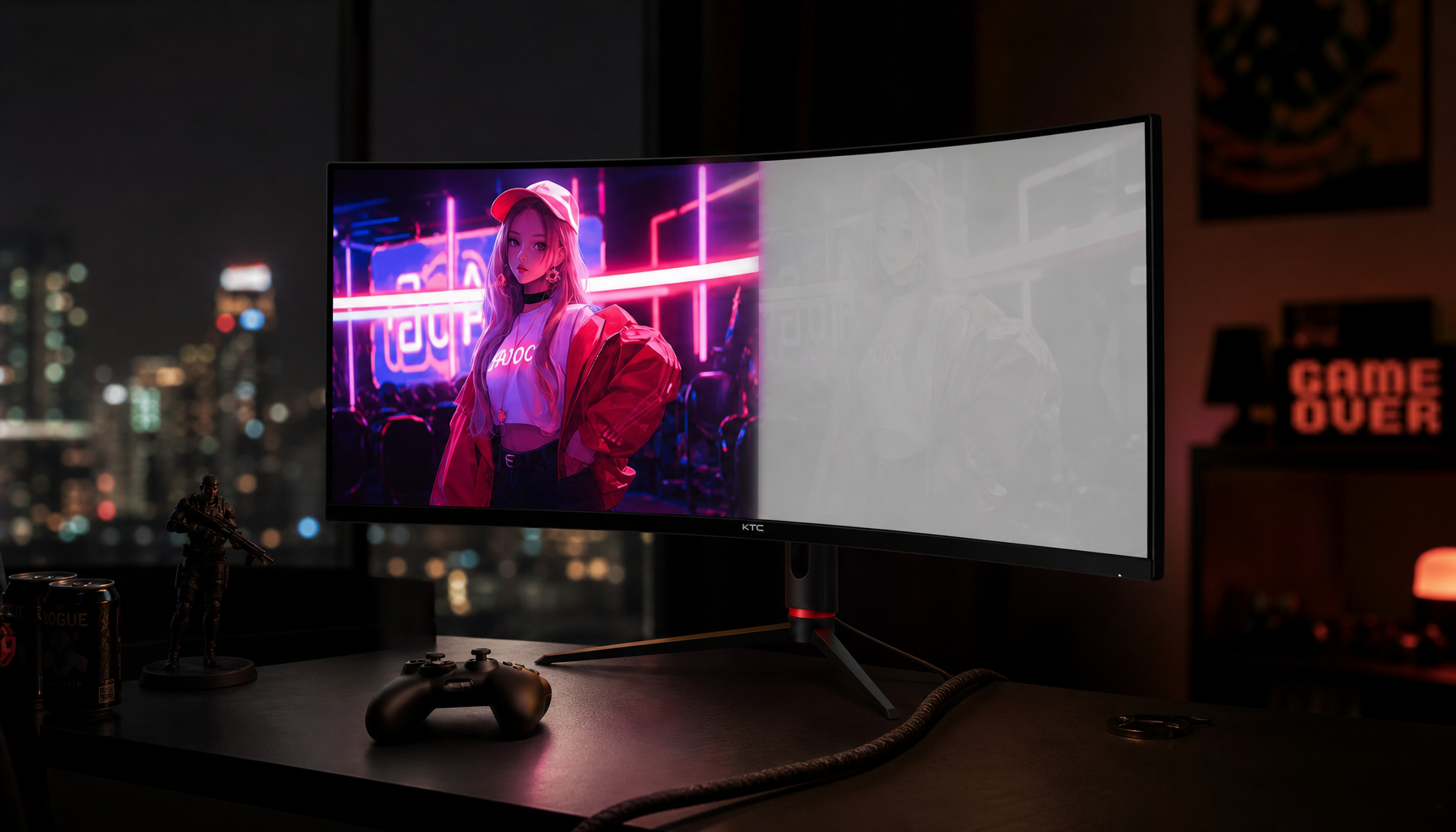
SDR often hides defects because it compresses highlight and shadow information into a narrower presentation range. If a streaming encode has weak shadow detail, SDR may crush that area into near-black, so macroblocking or mosquito noise is less noticeable. In HDR, those same dark gradients may be lifted, separated, and displayed with more contrast. The artifact was already in the file, but SDR playback buried it.
This is why a night scene can look cleaner in SDR yet more revealing in HDR. The HDR playback is not necessarily worse; it may simply be showing tonal information that the compressed stream did not preserve well enough.
The Compression Artifacts HDR Makes More Obvious
Compression works by removing information the encoder predicts viewers will not miss. When the bitrate, codec settings, image quality, or playback path cannot support the visual ambition of HDR, the missing information becomes visible. Compression artifacts commonly include spatial problems, which can appear when a frame is paused, and temporal problems, which show up during motion.
Artifact |
What You See |
Why HDR Exposes It |
Banding |
Visible steps in skies, fog, walls, or glow effects |
HDR stretches gradients across wider brightness ranges |
Blocking |
Square patches in shadows, smoke, water, or dark walls |
Higher contrast makes low-bitrate blocks easier to detect |
Mosquito noise |
Shimmering edges around text, sparks, branches, or HUD elements |
Bright highlights against dark backgrounds stress prediction |
Ringing |
Halos around sharp edges |
HDR highlight contrast makes edge reconstruction errors stand out |
Color bleeding |
Color spilling past boundaries |
Wider color presentation makes chroma shortcuts more obvious |
A 4K HDR game capture with neon signage over a dark street is a brutal test. The encoder must preserve black-level texture, saturated color, fine edges, and bright specular highlights at the same time. If the bitrate is marginal, SDR may flatten the scene enough to look acceptable, while HDR makes the signs shimmer, the shadows block up, and the sky band.
Bit Depth, Gradients, and Banding
One of the most common HDR complaints is banding. Smooth gradients in skies, sunsets, smoke, loading screens, and game menus can break into visible steps. HDR requires 10-bit color depth, while SDR is commonly 8-bit, and that difference matters because HDR describes subtler tonal transitions across a wider luminance range.
The problem appears when the workflow says “HDR” but some part of the chain behaves like a lower-quality pipe. A video may be re-encoded too aggressively, converted between formats poorly, played through an app with weak tone mapping, or displayed on a panel with poor gradient handling. A 10-bit HDR container alone does not guarantee smooth output.
For office productivity displays and portable smart screens, this is especially relevant because many screens accept an HDR signal without delivering strong HDR performance. They may decode the format, but limited brightness, weak contrast, or mediocre gradient processing can make a compressed HDR stream look harsher than well-handled SDR playback.
Tone Mapping Can Turn Hidden Loss Into Visible Damage
Tone mapping fits a larger HDR image range into the real brightness and contrast limits of a specific display. It can also compress HDR image data into SDR formats or SDR display limits. Done well, it preserves intent. Done poorly, it can exaggerate compression flaws.

No consumer screen can reproduce every possible HDR luminance and color value perfectly. The display has to decide what to do with highlights, shadows, and saturation it cannot fully show. If the player or monitor lifts dark areas too much, shadow compression becomes more visible. If it rolls off highlights aggressively, bright clouds or explosions can show posterization. If it mishandles saturation, color noise becomes easier to spot.
This is why two HDR displays can disagree on the same file. A self-emissive display may reveal near-black macroblocking because its black floor is so deep. A high-contrast LCD monitor may hide some shadow noise but show more smearing in motion. An IPS productivity monitor may keep color stable off-axis yet make low-contrast shadow artifacts easier to notice in a bright room.
Metadata, Player Behavior, and App Compatibility
HDR playback depends on more than file resolution. Metadata tells the display or player how to interpret brightness, color space, and mastering intent. HDR formats can use static metadata, as with HDR10, or dynamic metadata, where brightness guidance can change scene by scene.
When metadata is missing, misread, or poorly translated by a playback app, the same encode can look too dark, too bright, washed out, oversaturated, or noisier than expected. This matters for people using smart screens, USB-C portable monitors, media boxes, and browser playback, because every device in the chain has a chance to alter the signal.
A community troubleshooting thread shows the right diagnostic pattern: users compared HEVC MKV playback across two media apps and tested a known HDR demo clip. The successful sample test suggested the issue was not simply that HDR was broken, but likely tied to specific files, containers, or decoding behavior. Isolate the file, app, display, and connection instead of changing every setting at once.
Why HDR Can Look Worse on a Weak HDR Display
HDR support on a spec sheet is not the same as impressive HDR performance. A display needs enough peak brightness, contrast, color volume, and gradient control to make HDR look intentional. HDR picture quality depends on hardware traits such as peak brightness, contrast, wide color gamut, and gradient handling, not merely metadata recognition.
This is where value-oriented buying matters. A budget monitor that accepts HDR10 but peaks near ordinary SDR brightness may tone-map aggressively, flatten contrast, and reveal compression without giving you the visual payoff HDR is supposed to deliver. A better HDR monitor can make the same stream look cleaner because it does not have to squeeze the signal as severely.
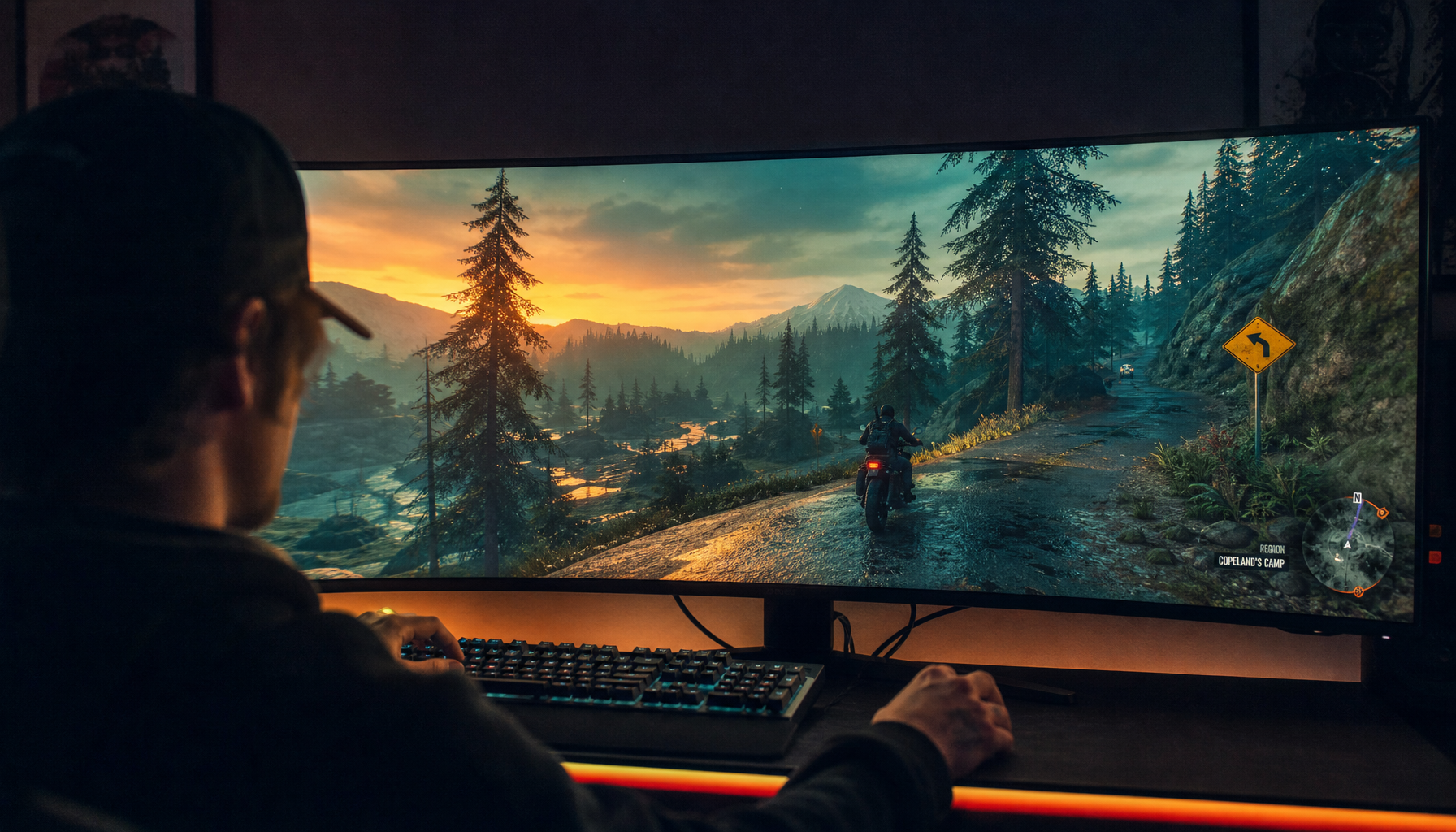
For gaming, HDR can be worth it when explosions, reflections, skies, UI glow, and dark interiors gain real separation. HDR is generally better for gaming when the display and content support wider color and contrast well. The downside is that a low-bitrate stream, poor console capture, or entry-level HDR panel can make compression artifacts more obvious than in SDR.

Scopes, Calibration, and the Viewer’s Reality
A file can be technically valid and still look bad on a display. Scopes measure signal data, while the display turns that signal into visible light. A display presents the audience-facing image, while scopes show objective data such as luminance, chroma, RGB balance, and clipping.
For creators, this means you should not judge HDR compression only from an editor preview, a waveform, or a single flagship screen. Test a short export on the actual target path: the gaming monitor, office display, portable screen, streaming app, and browser if that is how people will watch it. Disable vivid modes, dynamic contrast, eco brightness, blue-light shifts, and unnecessary game enhancements before making quality decisions.
A simple calculation explains why bitrate matters more than the resolution badge. A 1920 x 1080 frame has 2,073,600 pixels, while 1280 x 720 has far fewer. But if the 1080p or 4K HDR stream is starved for bitrate, the encoder may preserve resolution while sacrificing gradients and motion stability. In real viewing, a stable lower-resolution SDR stream can look cleaner than over-compressed HDR playback.
How to Diagnose HDR Artifacts Without Guesswork
Start by checking whether the artifact appears in the file, player, or display. Play a known-good HDR sample, then play the problem file in a second app or device. If the demo is clean and the movie is not, the encode or container is suspect. If both show the same issue, look at the display mode, cable bandwidth, GPU output, browser path, or HDR settings.

Next, compare SDR and HDR without changing anything else. If SDR hides the problem but HDR reveals it, look closely at gradients, shadows, and high-contrast edges. Banding points toward bit depth, tone mapping, or heavy compression. Blocking in dark scenes points toward bitrate or encoder settings. Oversaturation or washed-out playback points toward color management, HDR/SDR conversion, or metadata handling.
Finally, test the display in a neutral picture mode. A gaming monitor in an aggressive HDR preset may boost contrast and sharpness enough to make compression worse. A portable smart screen running on limited brightness over USB-C may tone-map too hard. A productivity display in eco mode may lower luminance and distort HDR intent.
Practical Fixes That Usually Work
The cleanest fix is to improve the input media. Use a higher-bitrate stream, a better encode, or a less aggressively compressed file. For your own captures and exports, keep HDR in a 10-bit workflow, avoid repeated transcoding, and test short sections with skies, smoke, skin, neon, dark rooms, and fast camera movement before exporting the full project.
If you cannot change the file, improve the playback chain. Use a player known to handle HDR metadata correctly, update GPU and display firmware when relevant, use the right cable bandwidth for your target resolution and refresh rate, and avoid forcing SDR-to-HDR or HDR-to-SDR conversions unless you know the result is better.
For monitor buyers, prioritize real HDR capability over the mere presence of an HDR logo. A display with stronger contrast, better gradient handling, and meaningful peak brightness will usually do more for HDR quality than a higher refresh rate alone. For esports-first players, SDR may remain the cleaner competitive choice if the game’s HDR implementation or your monitor’s HDR mode adds haze, raised blacks, or distracting artifacts. For cinematic gaming and media, a capable HDR display can be transformative.
FAQ
Does HDR Create Compression Artifacts?
HDR does not usually create the initial compression damage. It makes existing damage more visible by expanding brightness, contrast, and color separation. Bad tone mapping or weak display processing can make that visibility worse.
Why Does SDR Look Smoother Than HDR on the Same File?
SDR often clips, compresses, or hides subtle highlight and shadow information. That can cover banding, blocking, and noise. HDR reveals more tonal detail, including defects left behind by compression.
Is 4K SDR Better Than 1080p HDR?
It depends on the content, bitrate, display, and viewing distance. A clean 1080p HDR stream can look more lifelike than a flat 4K SDR stream, but over-compressed HDR can look worse than stable SDR playback.
HDR is a precision mode, not a magic switch. When the file, player, cable, and display are strong, it gives games and video more depth, punch, and control. When one part of the image pipeline is weak, HDR stops hiding the compromise and shows where the image is breaking.