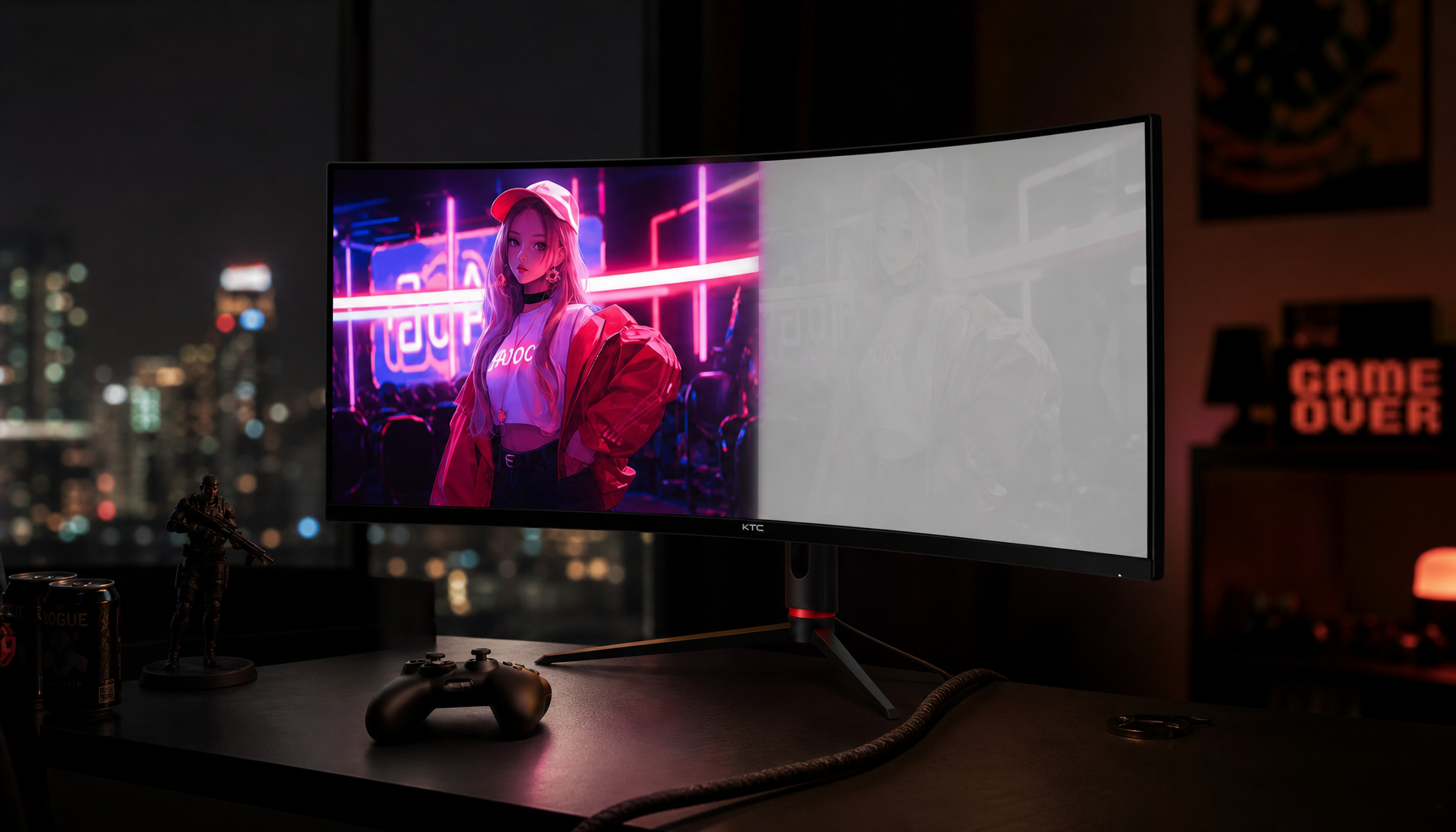
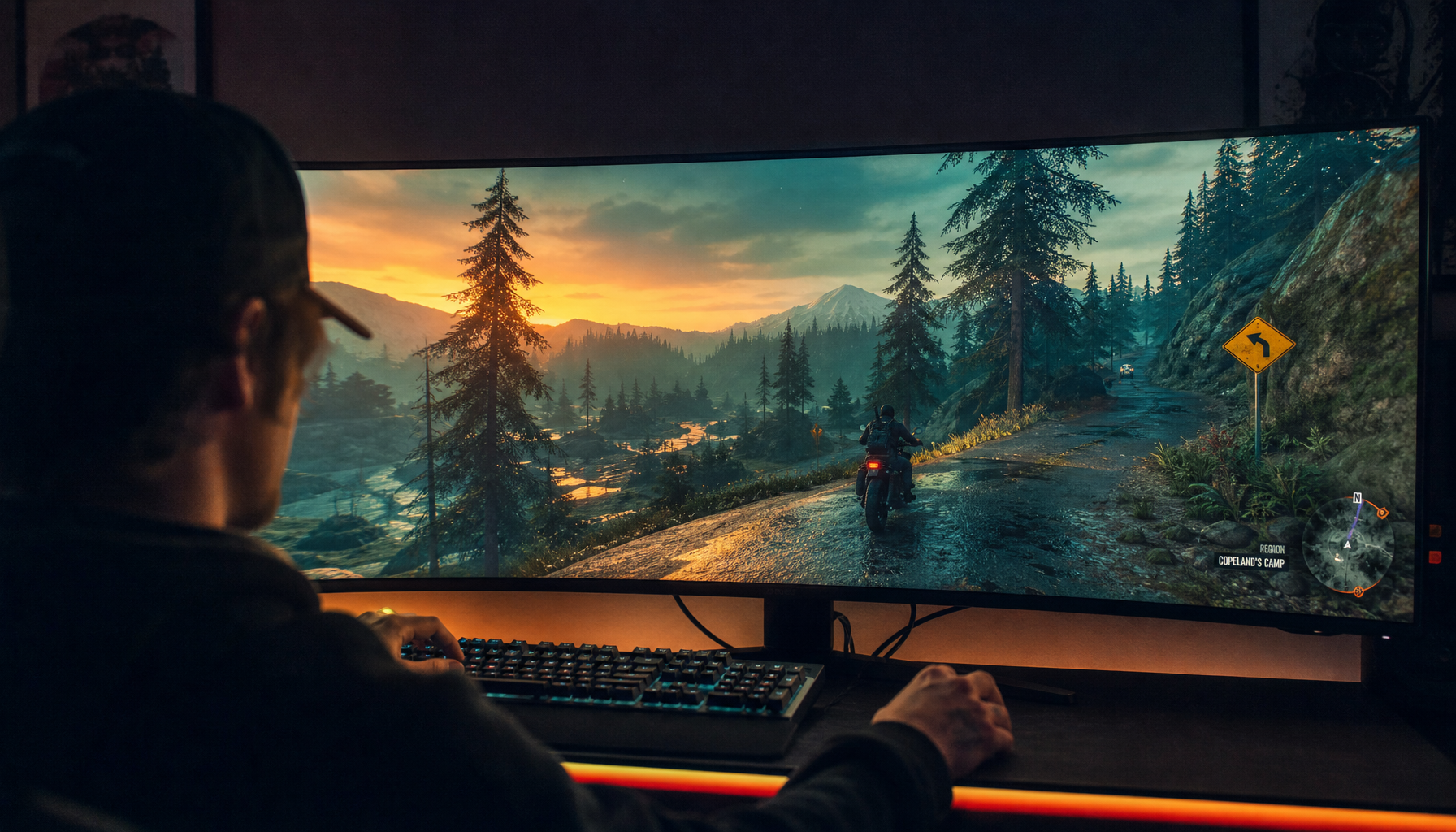
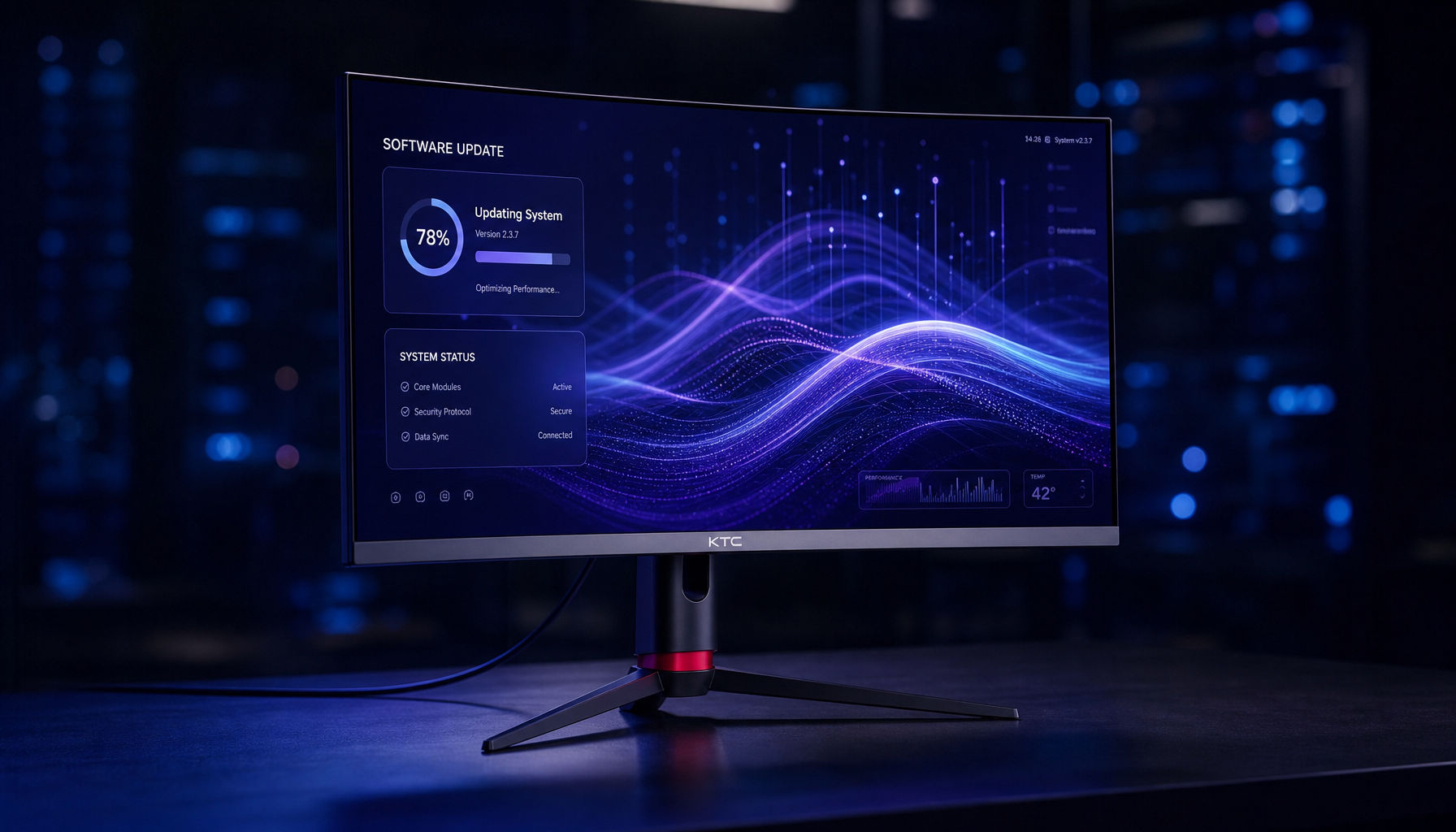
By 2026, many households have made the smart display their primary gaming device in a console-free setup, shifting focus from whether cloud gaming works to how to optimize network, security, and costs for reliable performance. This blueprint helps budget-conscious gamers, families, and early adopters evaluate if a smart display paired with services like GeForce Now fits their living room, dorm, or apartment, while highlighting when local hardware remains the better path.

The global cloud gaming market is expected to surpass $23.7 billion by 2026, reflecting its transition from a niche service to a primary gaming platform for mainstream audiences. This growth is driven by users seeking to avoid the high upfront costs and rapid obsolescence of local GPUs and consoles. Smart displays now function as capable thin clients that handle decoding and display tasks, enabling minimalist setups in bedrooms, dorms, and living rooms with access to modern AAA titles.
The 2026 Shift: Why Smart Displays Are Replacing Consoles
The move toward smart displays for gaming reflects broader changes in how people consume entertainment. Instead of a dedicated console taking up space and requiring periodic upgrades, a single versatile screen can stream high-quality games while doubling as a TV, productivity tool, or family hub. This approach particularly appeals to renters, students, and families who want flexibility without heavy hardware investment.
For most players, the decision starts with your internet reliability and monthly playtime rather than screen size alone. If your connection consistently delivers stable speeds above 45 Mbps with low jitter, a smart display can deliver responsive gameplay that feels close to local hardware in many everyday scenarios. However, in areas with data caps or inconsistent broadband, the setup can introduce unexpected costs or frustration that make a traditional console more practical.
This shift also changes the economics from large one-time purchases to predictable subscriptions. As this Fortune Business Insights report on the cloud gaming market details, the expanding market underscores how many users now prioritize convenience and lower long-term ownership costs. For shared households, one screen can support multiple profiles without the noise or heat of a local gaming PC.
See our coverage of KTC at CES 2026: How KTC Brought AI and Display Innovation to Life for trends shaping these versatile displays.
Network and Hardware Requirements for 4K 120Hz Cloud Gaming
Achieving smooth 4K resolution at 120Hz is now realistic in many setups thanks to AV1 encoding, which reduces bandwidth needs while preserving image quality. Premium cloud streaming supports 4K at 120Hz provided users have a stable connection of at least 45 Mbps and hardware capable of decoding the AV1 codec, according to NVIDIA's official GeForce NOW system requirements.
The adoption of AV1 encoding technology allows for high-quality 4K 120Hz streams with lower bandwidth requirements, effectively reducing the latency tax often associated with cloud services. In real gameplay, this means less compression artifacting and more consistent frame delivery, but only when your local network remains stable. Input lag here refers to the delay between pressing a button and seeing the result on screen; even small increases can feel noticeable in fast-paced titles.
A wired Ethernet connection or Wi-Fi 6/7 router positioned for strong signal is usually essential to minimize packet loss and jitter. The display itself must support 120Hz or higher refresh rates and efficient decoding; basic 60Hz panels often cannot keep up with premium cloud tiers without visible compromises in motion clarity.
For competitive players, these factors matter more than raw resolution. Our article on Why Does My 240Hz Monitor Feel Slower Than My Friend’s 165Hz Display? explores how refresh rate, stability, and latency combine to affect perceived responsiveness.
The Economics: Cloud Subscriptions vs. Local Hardware Ownership
Cloud gaming can reduce total cost of ownership compared to maintaining a high-end gaming PC with a local GPU by eliminating large upfront purchases and frequent hardware refreshes. Transitioning to a cloud-first setup offers a more predictable monthly subscription model, according to market analysis from S&P Global.
However, this advantage depends heavily on your existing infrastructure. The “invisible utility tax” appears when 4K/120Hz AV1 streaming consumes roughly 15-20 GB per hour—for a 20-hour weekly gamer, that can exceed 1.5 TB monthly and trigger data overage fees or the need for unlimited plans costing an extra $30–50 per month in many regions. Peripheral needs also rise: low-latency controllers and high-polling-rate input devices become more important to offset network variability, adding a fixed cost of several hundred dollars regardless of platform.
Local hardware retains resale value—often 30-40% after three years—while cloud subscriptions have none. If your home already has uncapped gigabit internet, cloud gaming frequently proves significantly cheaper over a four-year period. But if upgrades are required solely for gaming, total cost of ownership parity with a mid-to-high-end local setup can occur in under 30 months.
The chart below helps visualize this tipping point across typical scenarios.
Cloud Gaming vs Local Hardware: 4-Year Cumulative TCO
Shows when cumulative cloud subscription costs can overtake a local hardware purchase under a conservative 30-month break-even framing. The crossover depends on the monthly plan, network add-on costs, and hardware resale value.
View chart data
| Category | Cloud gaming TCO | Local hardware TCO |
|---|---|---|
| Month 0 | 0 | 1600 |
| Month 6 | 432 | 1600 |
| Month 12 | 864 | 1600 |
| Month 18 | 1296 | 1600 |
| Month 24 | 1728 | 1600 |
| Month 30 | 2160 | 1600 |
| Month 36 | 2592 | 1600 |
| Month 42 | 3024 | 1600 |
| Month 48 | 3456 | 1600 |
This visualization clarifies the likely pattern in typical setups: cloud gaming pulls ahead when network costs stay low, but local ownership can be preferable when upgrades or high data usage push the break-even earlier. Consider your specific internet plan and play habits before deciding.
Why EDLA Certification Matters for Family Gaming Spaces
For shared or family environments, EDLA certification provides more than app access—it establishes a safer digital foundation. EDLA-certified smart displays offer enterprise-grade security, including monthly over-the-air updates and official access to the Google Play Store, ensuring a safe ecosystem for shared family use, as outlined in documentation on Google’s EDLA standard.
Generic smart displays often rely on open-source Android builds without Google’s ongoing validation, which can leave gaps in malware protection and timely patching. EDLA devices include Play Protect scanning, account sandboxing that prevents a child’s gaming session from accessing parental data, and mandated monthly security updates that reduce version drift and vulnerability windows. Parents also gain more reliable Family Link integration for screen-time limits and app approvals.
The safe-hub threshold helps filter choices: if your household shares Google accounts or has children using the display, a non-EDLA model can become a security liability over time. In contrast, an EDLA-certified device functions as a trusted extension of the family’s digital environment rather than a potential weak point.
This matters most in living rooms or dorms where multiple users switch between gaming, streaming, and productivity. See our article on One Screen for the Whole House: Why MegPad Is the Perfect Christmas Gift for practical examples of versatile family displays.
Choosing the Right Smart Display for Your Console-Free Setup
The best smart display depends on your primary room, usage mix, and whether mobility or fixed high-fidelity performance matters more. For mobile and family-shared environments, battery-powered EDLA touch screens such as the MEGAPAD series provide flexibility to move between rooms while maintaining secure app access and cloud streaming capability. These models support low-latency Bluetooth controllers and strong Wi-Fi, reducing setup friction in apartments or dorms.
For dedicated desk or living-room setups focused on visual quality, a high-refresh 4K display like the H27P22S paired with a streaming dongle or built-in smart OS often delivers sharper detail and smoother motion in GeForce Now streams. Prioritize models with Ethernet ports or robust antennas and verify low-latency input paths before purchase.
Not every option fits every scenario. If your internet frequently falls below 45 Mbps sustained or you play competitive titles where every millisecond counts, a dedicated local console or PC may avoid the network variables that can affect cloud performance. Check your room conditions, expected weekly hours, and data plan against the thresholds discussed earlier to avoid regret.
Explore the KTC MEGAPAD 32" 4K Android 14 Google EDLA Smart Touch Monitor with 8550mAh Battery, KTC 32" 4K 60Hz Smart Monitor with Google TV in Netflix Audio Licensed, and KTC MEGAPAD 27" FHD Android 14 Google EDLA Smart Touch Monitor with 9500mAh Battery as examples that align with different room and mobility needs. The Smart Monitor collection and Mobile Touch Screen collection offer additional options to compare.
Frequently Asked Questions
How Realistic Is 4K 120Hz Cloud Gaming on Smart Displays in 2026?
It is achievable in many homes with a stable 45 Mbps+ connection and AV1-capable hardware, but not guaranteed across all games or peak hours. Test your specific network and service combination; fallback to 1080p 120Hz or 4K 60Hz often provides a smoother experience when conditions are marginal.
What Network Setup Should I Check First for Console-Free Gaming?
Measure sustained download speed, upload, ping, and jitter during typical usage times. Confirm no data caps that would be exceeded by 15–20 GB hourly streaming, and test both Wi-Fi and Ethernet paths. QoS settings and router placement frequently resolve the majority of latency complaints.
Does EDLA Certification Actually Improve Family Security on a Gaming Display?
It adds meaningful protections through mandatory monthly patches, Play Protect malware scanning, and account sandboxing that limits cross-profile data access. These features reduce risks in shared households compared with uncertified Android devices, though good account hygiene remains essential.
When Does Cloud Gaming on a Smart Display Stop Being the Cheapest Option?
When network upgrades or unlimited-data add-ons are required solely for gaming, total costs can reach parity with local hardware in under 30 months. Heavy offline players or those with existing high-end PCs should calculate their own usage before switching.
Which Smart Display Features Matter Most for Low-Latency Cloud Play?
Strong AV1 decoding, 120Hz+ refresh support, low input lag, Ethernet or high-quality Wi-Fi, and low-latency Bluetooth for controllers. EDLA certification further helps with consistent firmware that maintains performance over time.
The decision ultimately comes down to matching your internet quality, play habits, and household needs against the filters above. If your network is reliable, your usage is moderate, and you value a single versatile screen, an EDLA-certified smart display paired with cloud gaming offers a practical, lower-maintenance path in 2026. Measure your conditions first, then select hardware that aligns with the scenario that best fits your space.