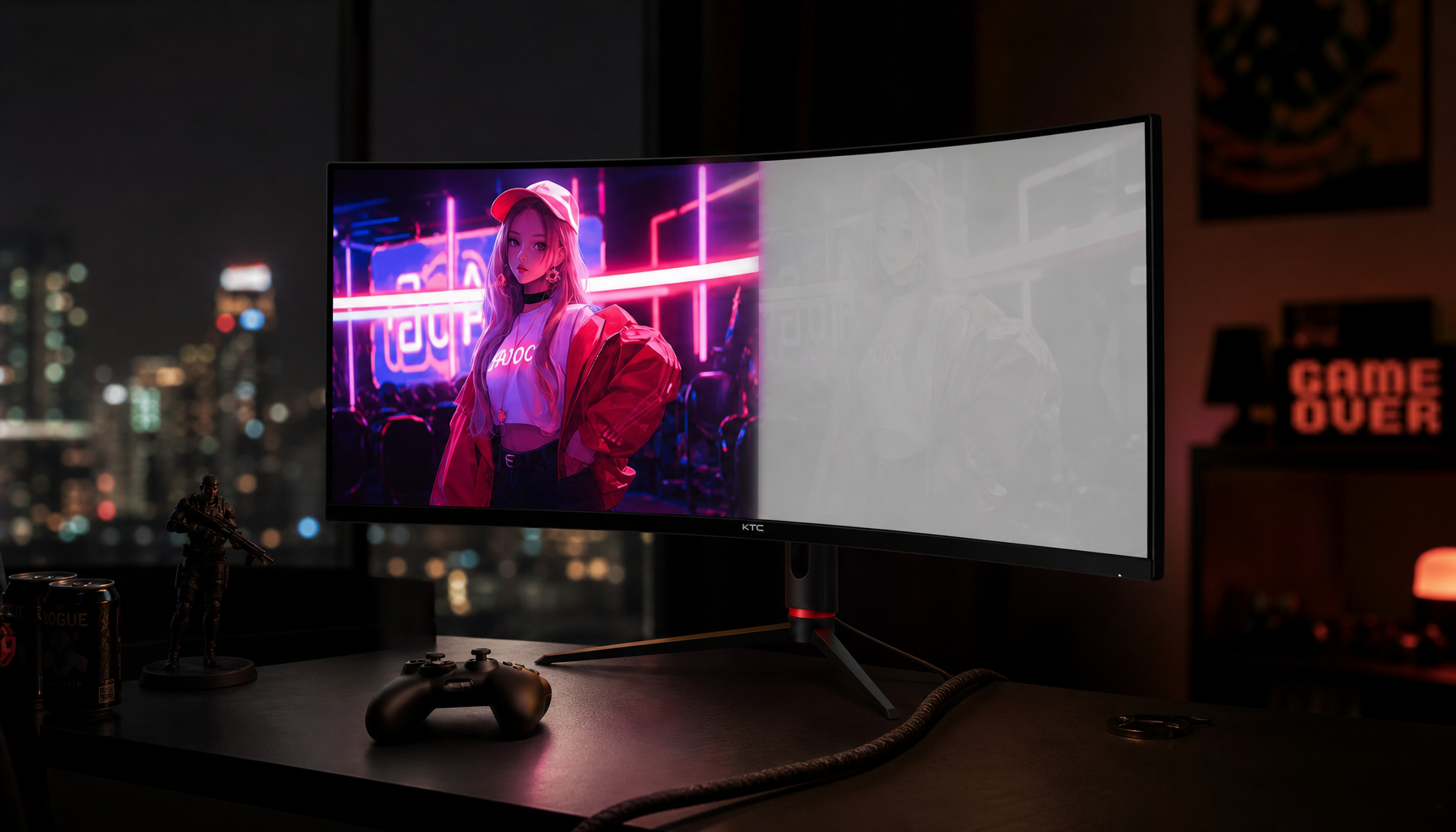
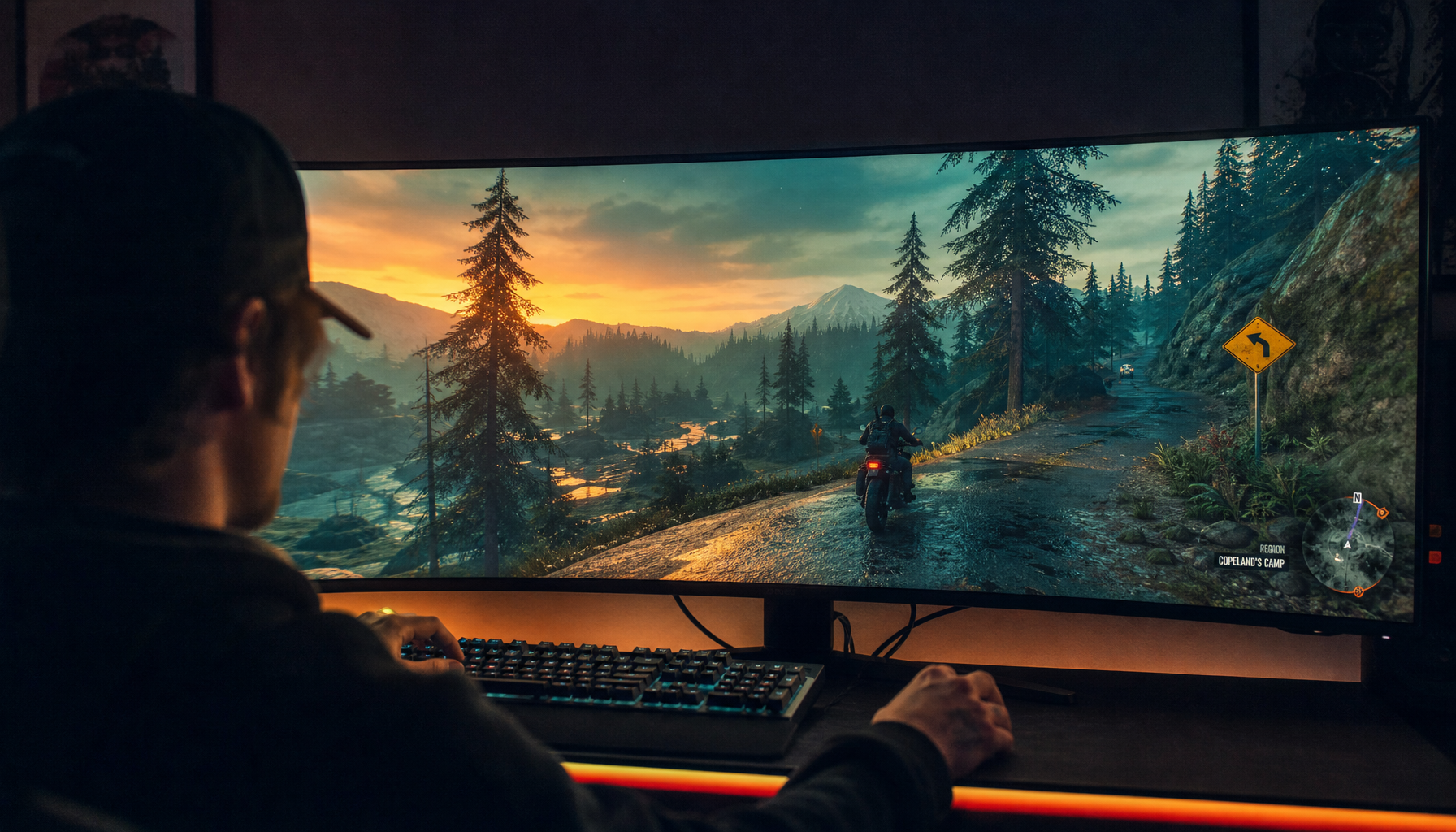
An Android smart display can serve as a practical all-in-one solution for students, streamers, and casual cloud gamers who want one device to handle lectures, video playback, and low-latency streaming without constantly switching between a laptop, tablet, or console. In space-limited dorms or studio apartments, the built-in Google-certified OS removes the need for extra hardware while delivering familiar app access and decent screen size, provided your Wi-Fi is stable and your priorities lean toward convenience over raw PC-level performance.
Why Choose an Android Smart Display for Mixed-Use Setups?
Many users face the hassle of juggling multiple devices for schoolwork, entertainment, and casual gaming. A single Android smart display addresses this by combining a large, high-quality panel with a full Android operating system that runs popular apps directly. This setup eliminates the constant input switching between a PC monitor and a smart TV, which is especially valuable in compact living spaces like dorm rooms or studio apartments where desk real estate is limited.
The appeal lies in the standalone nature of the device. Students can attend virtual classes, take notes, and then switch to streaming a show or launching a cloud gaming session without docking a laptop or powering up additional equipment. For remote workers and multitaskers, this means fewer cables and a cleaner workflow. The integrated approach works best when your daily routine mixes productivity with entertainment rather than demanding the highest frame rates or most demanding local games.
What Google EDLA Adds to the Experience
Google EDLA (Enterprise Device Licensing Agreement) certification ensures that these smart displays come with native access to Google Mobile Services, including the full Play Store and regular security updates (Understanding Google EDLA for Smart Devices). This matters because uncertified Android devices often suffer from limited app availability or missing Google ecosystem features.
For students, native Play Store access means seamless use of Google Classroom, Google Meet, and other educational tools without workarounds. The certification also supports centralized management through the Google Admin Console, which can simplify setup in shared family or roommate environments. On the entertainment side, EDLA devices typically include Widevine L1 support, the certification level usually required for HD and 4K streaming on services like Netflix or Disney+; without it, playback may be restricted to lower resolutions.
This official certification differentiates true smart displays from generic Android panels and gives users confidence that core apps will work as expected across study, streaming, and light gaming tasks.
Android Smart Displays for Students and Remote Learning
Yes, these displays can handle real school and work demands effectively. They provide direct access to productivity apps such as Zoom, Google Docs, and Canvas, allowing students to join lectures, collaborate on assignments, and manage notes all on one screen. The touch interface available on models like the MegPad series makes annotation during interactive lessons straightforward, reducing the need for a separate tablet or laptop.
In practice, this setup shines for remote learning because the large screen improves visibility during video calls and shared documents compared with a phone or small laptop display. Android smart displays support common educational tools without requiring constant device switching, making them suitable for students balancing classes with entertainment in the same space (Explore Apps for Learning & Teaching - Google for Education).
However, heavy multitasking with many browser tabs or resource-intensive software may still benefit from a dedicated computer. The display works best as a central hub for standard learning workflows rather than a full laptop replacement.

Cloud Gaming: Low-Friction Big-Screen Setup
Android smart displays let you stream games from services like GeForce Now or Xbox Cloud Gaming directly, bypassing the need for a console or high-end PC. The built-in OS launches these apps with minimal setup, turning the large screen into an instant big-screen gaming display.
Stability depends heavily on your connection. A 5GHz Wi-Fi or Ethernet link with at least 15-25 Mbps is recommended for smooth 1080p gameplay at 60 FPS (System Requirements for GeForce NOW Cloud Gaming). Weaker 2.4GHz networks often introduce noticeable lag or stuttering. A dedicated Bluetooth or USB controller is also essential; touch controls are generally insufficient for most titles (Xbox Cloud Gaming Requirements and Setup).
The Android Bluetooth stack can add a small amount of input lag, so wired controllers or low-latency wireless options perform best. This approach delivers a low-friction experience when your network is reliable, but it cannot match local gaming performance on a dedicated rig.
Performance Expectations: Gaming and Responsiveness
Most Android smart displays use 60Hz panels, which is sufficient for streaming and casual play but lacks the smoothness of high-refresh gaming monitors. Cloud gaming latency is primarily determined by your internet speed and service quality rather than the display itself. Expect responsive feel on strong 5GHz connections, but performance drops in areas with inconsistent bandwidth.
Panel choices vary: 4K models such as the A32Q8 offer sharper detail for viewing from moderate distances, while Full HD options suit closer desk setups. Brightness and contrast are adequate for indoor use, though they may not compete with dedicated HDR gaming monitors in very bright rooms. Responsiveness improves with Ethernet where possible, but users should test their actual network conditions before relying on the display for competitive play.
Use-Case Comparison: Dorms, Desks, and Shared Spaces
Different environments highlight different strengths of Android smart displays. In dorm rooms or small apartments, the “zero-cable” benefit stands out: one device replaces a TV, monitor, and tablet while minimizing clutter. Battery-powered models with wheels, such as certain MegPad variants, create a mobile theater that moves easily between rooms for streaming or group viewing.
At a fixed study desk, a 32-inch 4K model like the A32Q8 serves well as a versatile Google TV monitor for lectures, note-taking, and evening entertainment. In shared family or roommate spaces, EDLA certification enables easier multi-user management through Google tools. These displays excel when mobility, simplicity, and integrated apps matter more than maximum graphical fidelity.
For a visual breakdown of how these displays compare to traditional PC-plus-monitor setups across typical scenarios, see the chart below.
When an Android Smart Display Fits Better Than PC + Monitor
A relative scenario map: integrated smart displays usually win on space, setup simplicity, and mobility, while PC + monitor stays stronger for performance-heavy use, weak WiFi, or hardcore gaming.
View chart data
| Scenario | Convenience / Space | Performance | Cost | Mobility |
|---|---|---|---|---|
| Student + Good WiFi + Mobile | 3.0 | 1.0 | 2.0 | 3.0 |
| Student + Weak WiFi + Stationary | 3.0 | 1.0 | 2.0 | 1.0 |
| Multi-tasker + Good WiFi + Mobile | 3.0 | 2.0 | 2.0 | 3.0 |
| Multi-tasker + Weak WiFi + Stationary | 2.0 | 1.0 | 2.0 | 1.0 |
| Hardcore Gamer + Good WiFi + Stationary | 2.0 | 3.0 | 1.0 | 1.0 |
| Hardcore Gamer + Weak WiFi + Stationary | 2.0 | 3.0 | 1.0 | 1.0 |
What Users Should Verify Before Buying
Before purchasing, confirm that the specific model supports the apps and content quality you need. Check for Widevine L1 certification if HD or 4K streaming from major services is important, as some Android panels are limited to 480p without it (Widevine DRM Explained: Why your phone can't stream HD video). Test your home Wi-Fi speeds at the intended location—consistent 5GHz coverage or Ethernet is advisable for cloud gaming and high-bitrate video.
Review input and output options as well. USB-C ports for charging or data, HDMI for connecting external devices, and Bluetooth stability for controllers or peripherals can affect daily usability. Battery life on portable models varies with brightness, volume, and app demands, so treat manufacturer claims as guidelines under typical mixed-use conditions. Finally, verify that the display’s size and resolution match your typical viewing distance to avoid disappointment with sharpness or immersion.
Is an Android Smart Display the Right Workflow for You?
An Android smart display offers strong cost-effectiveness when one device can replace a monitor, tablet, and streaming box. The integrated approach saves money and space compared with buying separate components for study, streaming, and casual cloud gaming. It suits students, remote multitaskers, and families who value quick app access and reduced cable clutter over peak graphical performance.
Choose this route if you have reliable 5GHz Wi-Fi or Ethernet, prioritize mobility or simplicity, and your gaming stays within cloud services. Hardcore gamers or users in areas with poor internet may find a traditional gaming monitor paired with a PC or console more suitable, as it avoids network dependency and input lag variables. The MegPad series, with its Google EDLA certification, battery options, and touch capabilities, represents a flexible option within the smart monitor category for those whose needs align with integrated convenience.
Consider your primary workflow first: if space-saving and app versatility matter most, an Android smart display can simplify daily tasks without compromising core functionality. For those needing the highest responsiveness or local gaming power, a dedicated gaming monitor setup remains the clearer path.
Do Android Smart Displays Support All Popular Streaming Apps in HD?
Most EDLA-certified models support major services in HD when Widevine L1 is present, but always confirm the exact certification for the unit you are considering. Some uncertified Android displays cap quality at 480p even on 4K panels, so this verification prevents disappointment with services like Netflix or Disney+.
How Much Internet Speed Is Needed for Reliable Cloud Gaming on These Displays?
A stable 15-25 Mbps on 5GHz Wi-Fi or Ethernet is the typical minimum for 1080p cloud gaming. Lower speeds or 2.4GHz networks often result in lag, stuttering, or reduced resolution. Ethernet provides the most consistent experience when available.
Can These Displays Replace a Laptop for College Students?
They can handle many study tasks, including video calls, document editing, and note-taking via touch, but lack the full software library and processing power of a laptop for specialized programs or heavy multitasking. They work best as a central hub alongside a lightweight laptop rather than a complete substitute.
Do I Need a Separate Controller for Cloud Gaming on an Android Smart Display?
Yes. Touch controls are usually inadequate for most cloud titles, and a Bluetooth or USB controller is strongly recommended for playable response times. The Android Bluetooth implementation can introduce minor additional latency compared with native console setups.
Who Should Avoid Buying an Android Smart Display?
Users with unreliable internet, those who play demanding local games, or anyone requiring precise color work or very high refresh rates should consider traditional monitors instead. The convenience of an integrated OS is most valuable when your usage mixes study, streaming, and casual cloud gaming in shared or mobile spaces.