Clean monitor stands and ergonomic arms with dry or lightly damp microfiber, keep liquid out of hinges and tension points, and treat adjustment bolts as setup controls, not cleaning targets.
If your monitor suddenly droops after a cleanup, the problem usually is not the cloth. It is overspray, grit pushed into a pivot, or a well-meaning adjustment that turned a tension bolt you did not need to touch. The steps below keep gaming monitors, ultrawide displays, and portable monitor supports clean without changing how they hold height, tilt, or swivel.
Know Which Parts Should Stay Dry
Surface zones vs. adjustment zones
A 25-inch portable touch screen or any other display should be powered off, unplugged, and allowed to cool before you clean the stand, support, or panel. That basic shutdown routine shows up repeatedly in manufacturer guidance because it reduces the chance of pressure marks, electrical issues, and liquid moving where it should not.
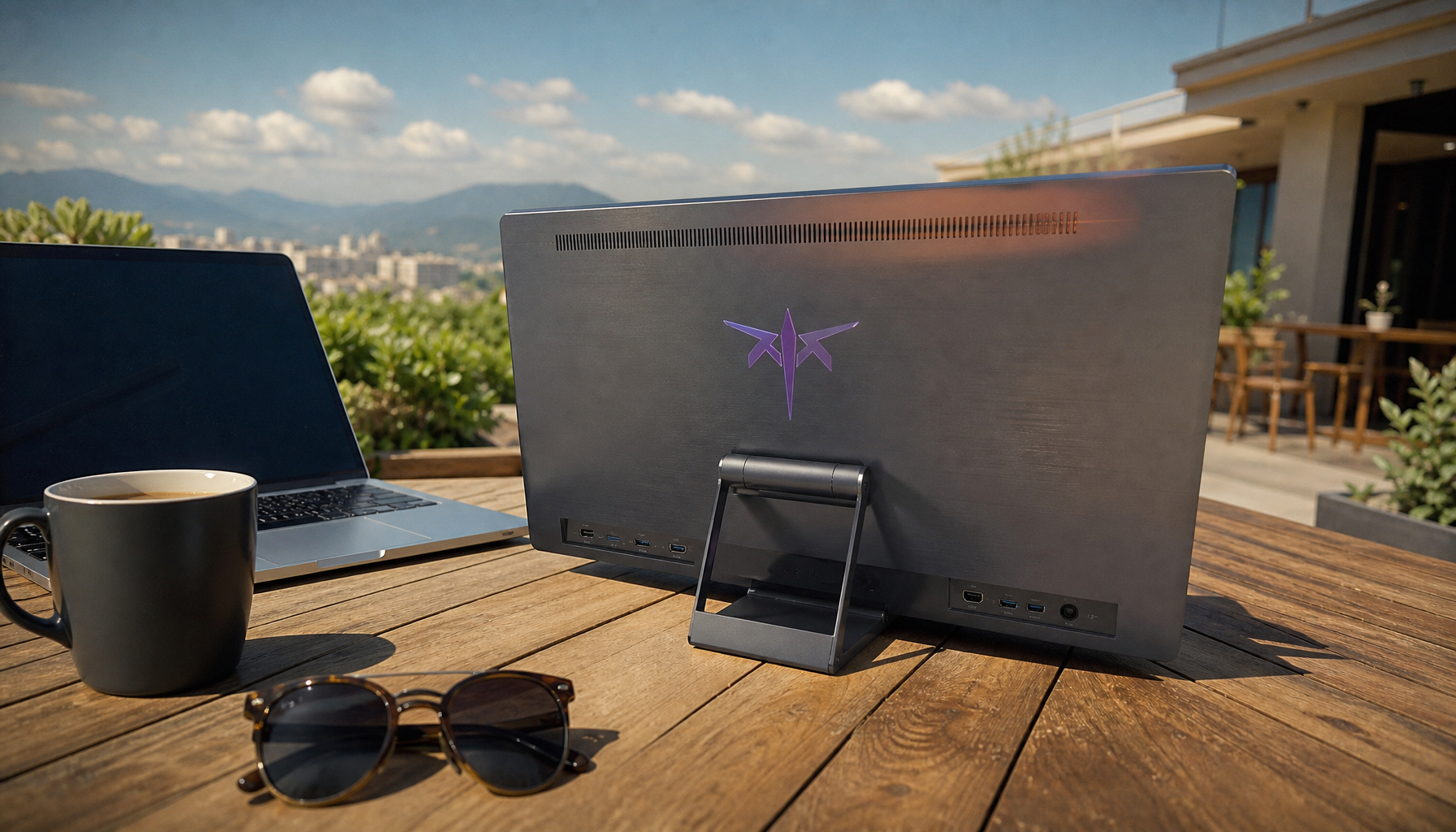
The safest way to think about a monitor mount is to split it into two zones. Surface zones include the base, upright column, outer arm shell, cable channel cover, and the back of the display. Adjustment zones include spring openings, tilt pivots, swivel joints, height tracks, mounting brackets, and any exposed hex bolts. Surface zones can handle a lightly damp microfiber wipe. Adjustment zones should usually get dry dust removal first and the least moisture possible.

Where dust collects on gaming and ultrawide setups
A 27-inch 2K 210Hz gaming monitor on an articulated arm puts more leverage on the joints than a light office display, so dust in the wrong place matters more. In real use, buildup usually collects at the mounting plate, the tilt hinge, along cable channels, behind the lower arm section, and around the clamp or grommet mount where desk dust settles.
That does not mean you need to “service” the arm every time you see dirt. It means you should remove loose dust before it gets mixed with moisture and turned into grime. A dry microfiber cloth, a soft brush, or careful compressed air on exterior vents and non-screen areas can help, but blasting air directly into tight arm joints is a poor trade because it can push debris deeper. That last point is an inference from monitor cleaning guidance that already warns against forcing liquid or debris into seams and openings.
Choose Cleaners by Material, Not by Convenience
Safe defaults for painted metal, plastic, and coated surfaces
A 25-inch 100Hz office monitor usually has the same maintenance rule as a high-refresh display: start with the least aggressive cleaner that will work. For stands and arm exteriors, that means a clean microfiber cloth used dry first, then a second microfiber cloth lightly dampened with distilled water or a mild non-abrasive cleaner if fingerprints or oily spots remain.
That approach matters because monitor setups mix materials. Painted metal bases, textured plastic arm shells, matte bezels, glossy trim, and cable covers do not all react the same way. Coatings guidance for plastic surfaces warns that acrylic and similar polymers scratch easily and can turn cloudy if you use the wrong chemicals. If your arm has glossy clear plastic or acrylic accent pieces, treat those parts more cautiously than bare metal.
When alcohol is acceptable and when it is risky
A 27-inch 180Hz gaming monitor may have a screen coating that should never see strong household glass cleaner, even if the metal stand below it looks durable enough for almost anything. The research notes show why monitor owners get conflicting advice: some sealed hard-glass designs can tolerate 70% to 80% alcohol, while many anti-glare and anti-reflective screens can be permanently hazed by alcohol, ammonia, or bleach.
For that reason, alcohol should be a compatibility-based choice, not your default cleaner. If you are wiping only the arm base or a painted steel upright, a small amount on microfiber can be acceptable when the finish allows it. If you are anywhere near the display surface, raw acrylic, cable cover plastics, or the edge of a pivot where liquid can creep inward, distilled water or a screen-safe mild cleaner is the safer default. Never spray directly onto the arm or screen; apply the liquid to the cloth first.
Follow a No-Loosening Cleaning Workflow
Set the arm before you start
A 27-inch 180Hz 2K curved gaming monitor is easier to clean safely when the arm is placed at mid-height and the screen is centered, not fully extended. That position reduces leverage on the joints and gives you better access to the back, cable run, and desk clamp without pulling on the arm while you wipe.
If the monitor already drifts up or down, make a note of that before cleaning, but do not reach for the hex key yet. Adjustment instructions for spring arms consistently describe tension changes as a separate setup task: raise the arm, use the correct wrench, and turn only until the screen stays at the preferred height. Cleaning is not the time to test bolts “just in case.”
Wipe exterior surfaces first, joints last
A 24-inch 180Hz HDR gaming monitor on a desk arm can be cleaned in a repeatable sequence that protects the mechanism. First, remove loose dust from the screen bezel, rear housing, base, arm shell, and cable channel cover with a dry microfiber cloth. Second, use a separate lightly damp cloth for fingerprints on the stand, the back of the monitor, and outer arm surfaces. Third, use a soft dry brush or barely damp swab for tight corners around the mounting plate and cable route.
This sequence matters because it keeps grit from turning into an abrasive paste. Several manufacturer notes recommend separate wet and dry cloths for exactly that reason. On touch-enabled screens, one guide suggests a 70% isopropyl alcohol and 30% distilled water mix for compatible surfaces, while another set of notes recommends only water or a very mild cleaner for coated displays. The common rule is clearer than the chemistry debate: use minimal liquid, keep it on the cloth, and keep pressure light.
Dry before you move the arm again
A 24-inch 165Hz curved gaming monitor should not be swung through its full range while moisture is still sitting near the tilt hinge or cable entry points. Finish with a dry microfiber cloth and let the setup air-dry fully before you power the display back on or reposition the arm.
That final dry pass does two jobs. It removes streaks on painted and plastic surfaces, and it makes it easier to spot any residue around bolts or seams. If you still see grime in a joint after drying, repeat a dry clean first. Do not solve stubborn dirt by saturating the area.
Build a Cleaning Schedule That Matches Your Setup
A realistic cadence for daily use
A 27-inch 180Hz Mini LED gaming monitor in a high-use setup usually needs more attention than a lightly used office screen. The research notes line up on a practical schedule: dry dusting can be done weekly, a fuller wipe-down every two weeks is enough in a clean room, and dusty or high-touch environments may need more frequent care. Touch displays may benefit from a quick daily dry wipe because fingerprints and skin oils build up faster.
For monitor arms, a useful pattern is weekly dust removal from the base and arm shell, biweekly cleaning of cable channels and the rear housing, and a monthly check for drift, uneven tilt, or clamp dust. That schedule keeps dirt from packing around the hardware without turning routine cleaning into constant handling.
Dust prevention reduces the need for aggressive cleaning
A portable monitor travel bag is a simple example of preventive care that matters more than most people expect. Portable displays and folding stands pick up grit in bags, on hotel desks, and in shared workspaces. Storing them in a sleeve or bag, wiping them before folding, and keeping cable ends clean reduces the amount of abrasive debris that reaches the hinge.

The same logic applies to desktop setups. Keep drinks away from the arm base, avoid touching the screen edge when adjusting height, and route cables so they do not drag dust into the pivot points. Regular light cleaning preserves motion better than occasional heavy scrubbing, especially on ultrawide or high-refresh displays that spend long hours in one position and collect dust along the top edge and rear vents.
Avoid the Mistakes That Cause Drift or Stiffness
Cleaning mistakes that change how the arm feels
A 25-inch 180Hz gaming monitor can feel “looser” after cleaning even when you never touched the tension screw. The usual cause is not true mechanical loosening. It is residue left on the tilt area, moisture around a joint, or grit moved from the outer shell into a moving interface. Paper towels, abrasive pads, household glass cleaners, and direct spray make that more likely because they either scratch, shed fibers, or put too much liquid into seams.
Another common mistake is using one cloth for everything. A cloth that already picked up dust from the desk clamp should not go straight to the monitor bezel or a plastic cable cover. Separate dry and damp microfiber cloths are a small detail, but they prevent cross-contamination and reduce the pressure needed to get a clean finish.
Adjustment mistakes that happen during cleaning
A 25-inch 300Hz vertical gaming monitor often gets rotated, tilted, and repositioned more than a standard screen, which increases the temptation to “fix” resistance while you clean. Do not loosen tilt bolts to reach hidden dust, and do not turn the spring-tension adjustment unless the display was already drifting before you started. Those bolts are for balancing load, not for making cleaning easier.
If the screen does drift after cleaning, troubleshoot in order. First, confirm the area is fully dry. Second, check whether a cable is pulling on the display and mimicking a balance problem. Third, verify that the mounting plate and clamp are snug. Only then should you make a small tension adjustment with the correct tool, following the arm maker’s normal plus-or-minus direction until the display stays at the height you choose.
FAQ
Q: Can I use isopropyl alcohol on a monitor arm?
A: Sometimes, but only on compatible exterior finishes and only on the cloth, not sprayed on the arm. It is a poor default near screen coatings, acrylic pieces, or any joint where liquid could creep inward. Distilled water or a mild non-abrasive cleaner is safer for most routine stand and arm cleaning.
Q: Should I loosen the hinge or tension bolt so I can clean around it better?
A: No. Support the monitor, clean around the hinge with a dry cloth or soft brush, and leave the adjustment hardware alone unless the arm already had a balance problem. Cleaning and mechanical adjustment should be treated as separate tasks.
Q: How often should I clean an ultrawide arm or portable monitor support?
A: Weekly dry dust removal is a good baseline. Add a deeper wipe every two weeks in normal conditions, clean more often in dusty rooms or shared gaming spaces, and wipe portable supports before folding or packing them away.
Practical Next Steps
The safest maintenance habit is simple: clean lightly, dry thoroughly, and adjust only when the monitor actually needs rebalancing. That keeps the arm stable and preserves the finish on everything from portable monitor supports to heavy ultrawide gaming mounts.
- Power off the monitor, unplug it, and let it cool.
- Set the arm at mid-height and center the display before wiping.
- Remove loose dust with a dry microfiber cloth and a soft brush for corners.
- Use a second microfiber cloth lightly dampened with distilled water or a mild cleaner for the stand and outer arm surfaces.
- Keep liquid off screen coatings, spring openings, tilt pivots, and exposed adjustment bolts.
- Dry all surfaces fully before moving the arm or turning the monitor back on.
- Adjust tension only if the screen was already drifting and only with the correct tool.
References
- Technical guidance in this article was synthesized from the structured evidence notes supplied with the brief, including monitor manufacturer cleaning instructions, plastic-surface coating guidance, and monitor-arm adjustment documentation.
- Contextual display examples: 25-inch portable touch screen, 27-inch 180Hz gaming monitor, 27-inch 2K 210Hz gaming monitor, 27-inch 180Hz 2K curved gaming monitor.
- Additional context examples: 24-inch 165Hz curved gaming monitor, 24-inch 180Hz HDR gaming monitor, 25-inch 100Hz office monitor, 25 portable monitor travel bag.