Tandem OLED monitor buyers should think in terms of image quality versus durability confidence: if your day is dominated by static taskbars, code windows, and long office sessions, 2304-zone Mini-LED is usually the safer default, while Tandem OLED is the better fit if you want OLED contrast and are willing to manage the trade-off.
Why This Comparison Matters in 2026
The real question is not whether a tandem OLED monitor looks better on paper, but whether its gains are worth the worry in a desktop workflow. Tandem stacks can improve efficiency and help pixel life by lowering current density per layer, which is a real step forward for OLED as the University of Michigan explains. But for informed skeptics, the issue is simpler: long, static use still matters more than peak specs.

If your screen shows the same UI for hours, the safer choice often shifts toward Mini-LED. If you mostly care about perfect blacks, sharper contrast, and the OLED feel, Tandem OLED stays in the conversation. That is the decision layer this audit is built around.
What Tandem OLED Changes and What It Does Not
Tandem OLED is best understood as an improvement in how the panel works, not as a clean escape from burn-in anxiety. The stacking approach can spread workload across layers and improve efficiency, which may help brightness behavior and long-term durability expectations. In plain language, it is a smarter version of OLED, not a different category of risk. Tandem OLED improvements still leave static UI exposure as a concern.

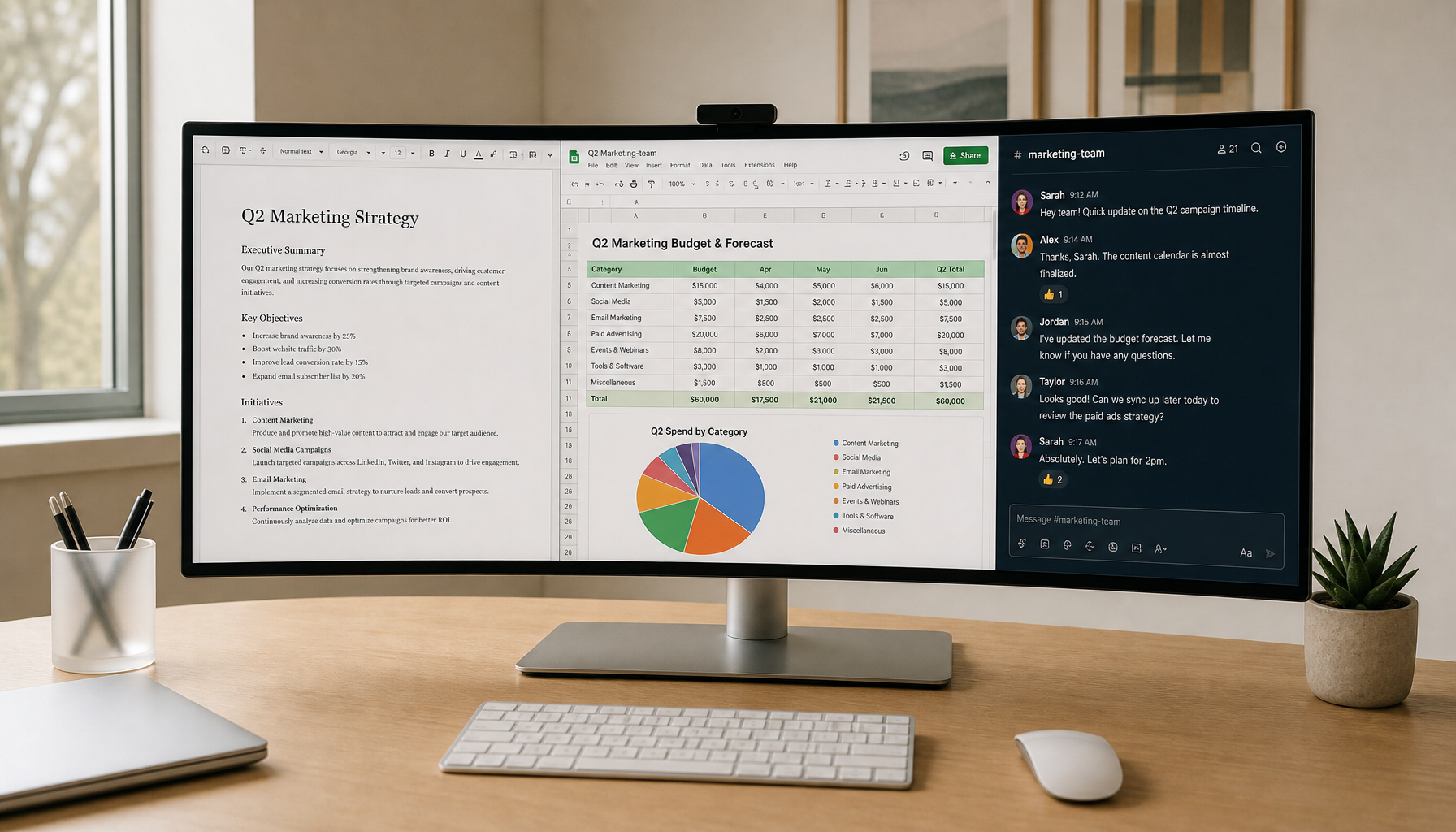
What it does not change is the desktop pattern that creates concern in the first place. Static taskbars, IDE layouts, menu bars, dashboards, and always-on chat panels are still the spots buyers worry about. A panel can be premium and still be a worse match for a highly repetitive workday.
That is why the All-OLED Monitor category is useful as a browsing path, but not as a shortcut around the decision. The right question is whether you are willing to pair OLED’s visual upside with its maintenance mindset.
Why Mini-LED Ages More Predictably
Mini-LED ages like a backlit LCD, so it avoids the pixel-level organic wear pattern behind OLED burn-in concern. That does not make it immortal, but it does make the failure mode easier to trust for long desktop use. Local dimming behavior on static desktops often keeps zones lit to preserve UI legibility.
For people who leave the same windows on-screen all day, that predictability matters. You do not have to wonder whether a bright toolbar, code pane, or spreadsheet will slowly leave its mark the way static OLED content can. You are trading absolute black levels for peace of mind.
That is why the All-Mini-LED Monitors collection often makes more sense for work-first buyers. Mini-LED still gives you strong contrast and HDR punch, but with a more familiar durability story.
Productivity Use Cases Side by Side
| Workflow factor | Tandem OLED | 2304-zone Mini-LED |
|---|---|---|
| Long coding sessions | Excellent image quality, but best when static UI is limited | Usually the safer fit for repeated static layouts |
| Static taskbars and dashboards | Acceptable if you are comfortable with care habits | Stronger risk profile for everyday desk use |
| Mixed-light home office | Good, but reflections and care habits still matter | More predictable if you work with bright ambient light |
| Contrast and black levels | Best-in-class feel | Very good, but not OLED-like |
| Maintenance mindset | Higher attention required | Lower attention required |
| Purchase confidence over time | Depends on your usage discipline | Usually easier to trust for long ownership |
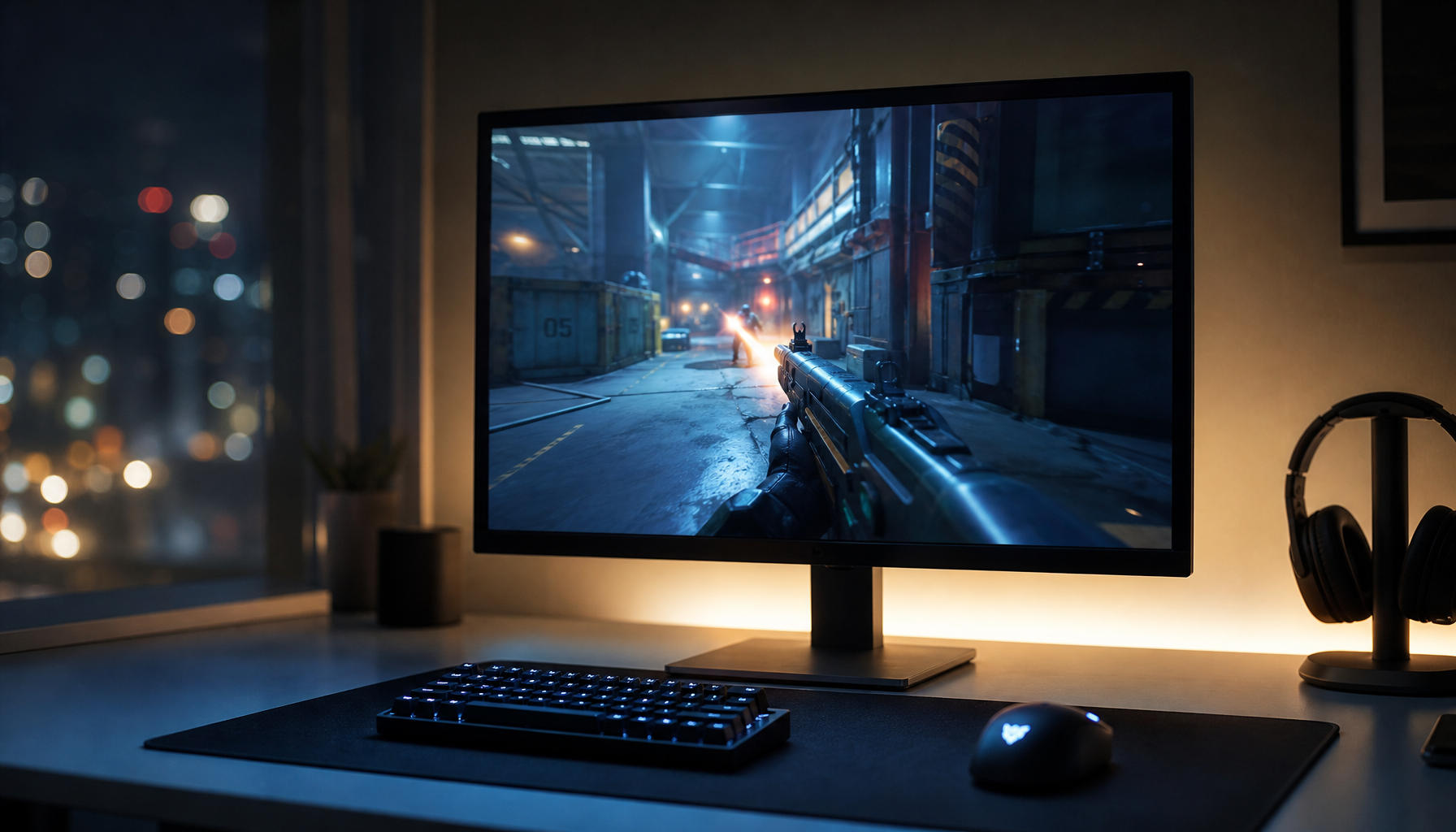
For most productivity buyers, the table turns on one thing: how static the screen is. If your monitor doubles as a TV-like entertainment panel, Tandem OLED becomes more attractive. If it is a workhorse that stays on eight hours a day with the same windows, Mini-LED is the cleaner fit.
A useful way to read the comparison is this: OLED is the better aesthetic choice, while Mini-LED is the better worry-reduction choice. That is why the recommendation flips so often in desktop work.
How to Decide If the OLED Premium Is Worth It
- Start with your screen pattern. If static UI elements stay visible for most of the day, Tandem OLED is harder to justify. If the screen changes constantly and you value deep blacks, OLED stays attractive.
- Check your room. Bright mixed-light offices make Mini-LED easier to live with, while OLED asks more of the user’s setup and habits.
- Count your hours. The longer the daily desktop session, the more the durability question matters.
- Ask whether you will manage the panel. If you do not want to think about habits, refresh routines, or static layouts, Mini-LED is the lower-friction choice.
- Use product specs only after the fit is clear. The KTC Mini LED 27" 180Hz 2K HDR1400 Gaming Monitor is a straightforward example of the safer path, while the KTC OLED 27" 2K 240Hz/0.03ms USB-C Gaming Monitor makes sense when you accept the OLED trade-off for contrast and speed. Early-stage burn-in checks can help owners of either panel type.
For a desk that is mostly spreadsheets, code, or admin work, buy Mini-LED first. For a setup that is part work, part visual enjoyment, and you are comfortable with OLED care, Tandem OLED can still be worth paying for.
Final Verdict for Long Desktop Sessions
For productivity-first buyers in 2026, Mini-LED is the safer default and Tandem OLED is the premium choice for people who accept more maintenance tension in exchange for OLED image quality. That is the cleanest way to read the market.
- Static UI >6 hours daily? Choose Mini-LED.
- Need perfect blacks for mixed media work? Consider Tandem OLED with care routines.
- Want lowest ownership friction? Mini-LED wins on predictability.
If your workload is highly static, lean Mini-LED; if your usage is more mixed and you want the OLED experience, Tandem OLED remains the higher-end bet.
FAQs
Q1. How Much Does Tandem OLED Actually Reduce Burn-In Risk in 2026?
It likely helps, but it does not erase the desktop risk from static UI. The improvement is best thought of as a durability upgrade, not a guarantee. If you leave code panes, toolbars, or taskbars on-screen all day, you should still treat Mini-LED as the safer ownership choice.
Q2. What Makes 2304-Zone Mini-LED a Safer Choice for Static Work?
Mini-LED avoids the organic pixel wear pattern associated with OLED. That makes it more predictable for spreadsheets, coding windows, dashboards, and other repetitive layouts. It is not the most dramatic-looking option, but it is usually easier to trust for long-term productivity use.
Q3. Can a Tandem OLED Monitor Be a Good Coding Display?
Yes, especially if you value contrast and text clarity in a dimmer or mixed-use setup. The catch is that you are still paying for OLED performance with some durability discipline. If your coding day is dominated by static UI, Mini-LED is usually the calmer buy.
Q4. Why Might Mini-LED Be the Better Productivity Buy in 2026?
Because it delivers strong brightness, useful local dimming, and burn-in-free ownership confidence. That combination is often more practical than OLED’s visual perfection when the monitor spends most of the day showing the same interface. For many desk buyers, predictability beats luxury.
Q5. Can Screensavers and Dark Mode Fully Protect an OLED Monitor?
They can help, but they are not a complete shield. They reduce exposure, yet they do not change the fact that static desktop elements are the main stress case. If you want the lowest-worry setup, habits help, but Mini-LED still makes the stronger long-session case.