Choosing between a giant tablet and a smart monitor comes down to how you plan to use the screen. Giant tablets with built-in batteries and rolling stands excel when you need to move a large touch display between rooms or use full Android apps for productivity and smart home control. Stationary smart monitors deliver stronger value for fixed 4K entertainment setups where the device stays plugged in.

The key differences appear in three areas: operating system capabilities, real-world portability, and battery performance. These factors determine whether a battery-powered giant tablet or an AC-powered smart monitor better matches your living room, home office, or multi-room needs.
Defining the Hybrid Display: Giant Tablet vs. Smart Monitor
Giant tablets are battery-powered, touch-first devices that often include rolling stands or integrated handles. They run full Android operating systems and support native touch interaction for lean-forward tasks. Smart monitors, by contrast, are typically stationary displays that run TV-oriented operating systems such as Google TV or webOS and rely on constant AC power.
The core distinction is interaction intent. Giant tablets support close-range touch workflows like note-taking, video calls, and recipe following. Smart monitors prioritize lean-back viewing for streaming and media consumption from a distance. This difference in design philosophy affects every other buying decision.
Many shoppers initially view both categories as large touch screens. In practice, the battery and OS choices create two distinct product classes that solve different problems in 2026 homes.
Operating Systems: Why Google EDLA Matters for Productivity
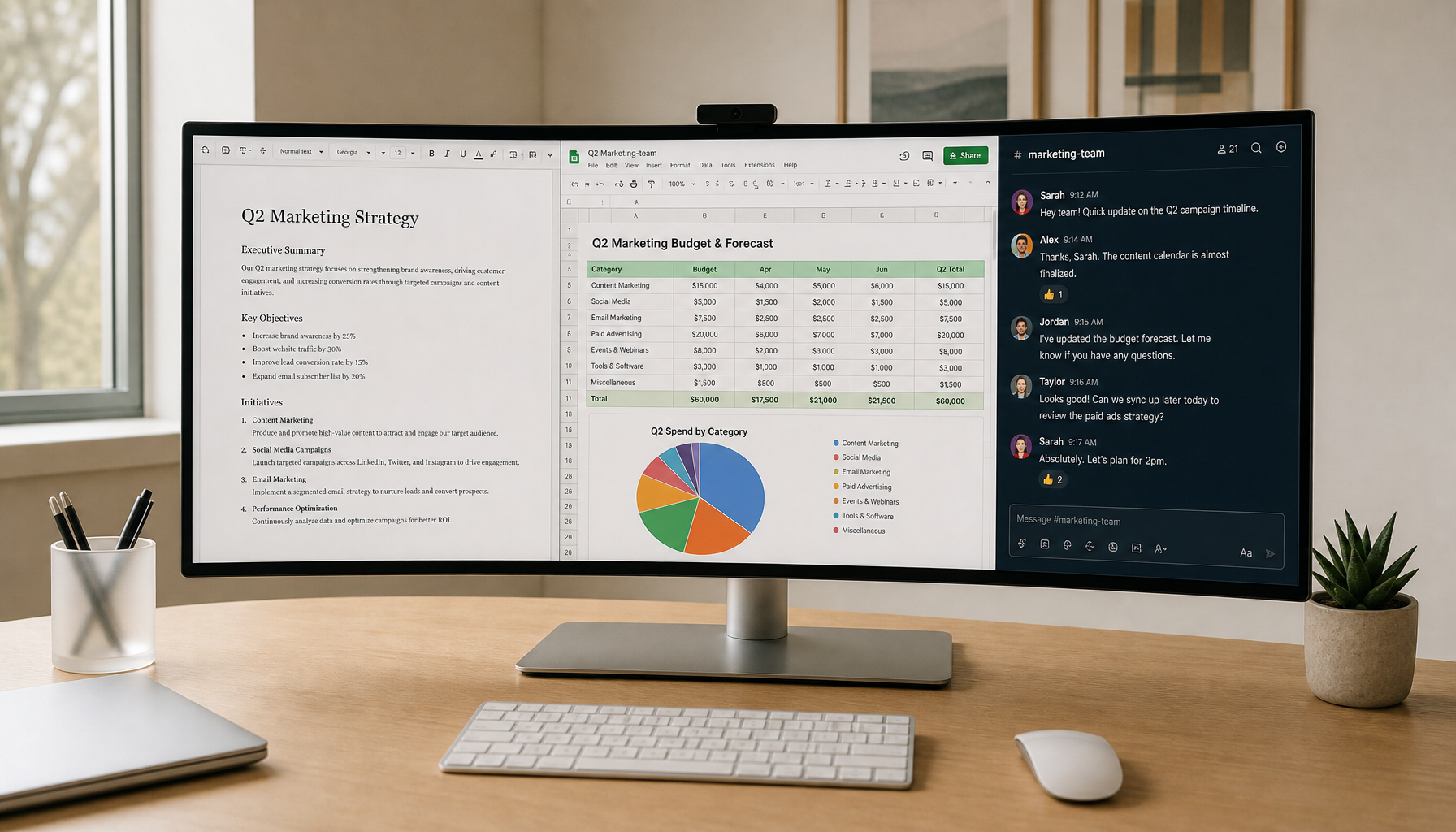
Standard smart monitors usually run TV-focused operating systems that excel at streaming but fall short for productivity. These platforms often rely on web wrappers for apps like Slack or Zoom and lack deep native integration for notifications and multitasking. This official Android developer documentation explains how full Android on large screens unlocks a much broader ecosystem of touch-optimized applications.
Giant tablets with Google EDLA certification provide full Google Mobile Services and unrestricted Play Store access. This enables native versions of productivity tools that remain active in the background and deliver reliable notifications. EDLA devices also deliver more responsive touch performance because the operating system is built for close-range interaction rather than remote control use.
For video calls, document editing, or smart home management, EDLA certification makes a meaningful difference. However, even full Android on these devices remains mobile-first multitasking rather than a complete desktop replacement. Users who expect Windows-level window management may still encounter limitations.
Learn more about essential specs before deciding which operating system fits your workflow.
Portability Reality: Movable Furniture vs. Travel Gadgets
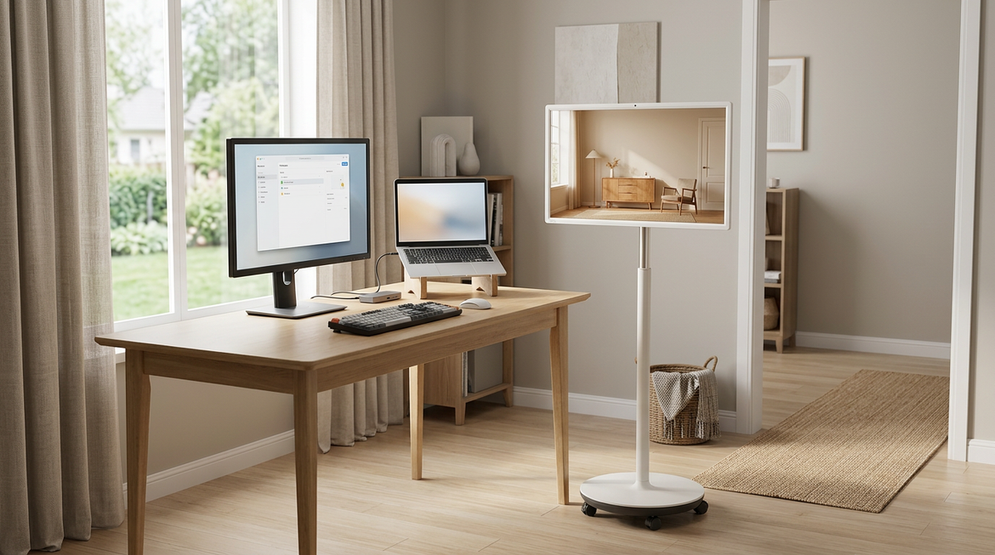
A 32-inch display on a rolling stand functions as indoor mobile furniture rather than a true travel gadget. These units typically weigh 35-45 pounds, making them suitable for moving between rooms on the same floor but impractical for carrying up stairs or loading into a car. The rolling base helps within a single home but does not transform the device into something suitcase-friendly.
Smaller 25-inch models with integrated handles cross into genuine portability. These stay under 20 pounds and work well for travel, outdoor use, or frequent transport between different locations. The size threshold around 25-27 inches represents the practical limit for devices you might actually carry regularly.
This distinction matters for apartment dwellers or families who want to share one large screen across multiple spaces. A rolling 32-inch giant tablet can serve as a kitchen command center one moment and a living room entertainment display the next. However, it will not replace a laptop when you need something truly portable.
For true portability, consider models in the Mobile Touch Screen collection that emphasize handle designs and lighter construction.
The Battery Trade-off: 4K Resolution vs. Unplugged Hours
Battery life on giant tablets varies dramatically based on resolution and brightness. Full HD models can deliver 8-10 hours under typical mixed use, while 4K panels often drop to 3-5 hours at higher brightness levels. The higher pixel count creates a significant power draw that reduces unplugged runtime substantially.
Manufacturer claims of 11-hour battery life usually reflect ideal low-power scenarios rather than real-world 4K usage. If you need all-day operation without frequent charging, an FHD giant tablet provides more practical freedom. Those who prioritize resolution for media consumption may accept shorter sessions or keep the device near power outlets.
This trade-off creates a clear decision point. Choose higher resolution when the screen will spend most time plugged in. Select longer battery life when you need reliable unplugged performance throughout the day.
Mobility vs. Portability: The 32-Inch Divide
Use this as a buyer-guide threshold chart: the 32-inch class is typically better for indoor mobility, while the 25-inch class is easier to carry by car; battery life also splits by workload and resolution.
View chart data
| Category | Portability | Indoor mobility | Battery range | Battery range | Capability fit |
|---|---|---|---|---|---|
| 25-inch / Car-friendly | 1.0 | 0.0 | 0.0 | 0.0 | 0.0 |
| 32-inch / Indoor-mobile | 0.0 | 1.0 | 0.0 | 0.0 | 0.0 |
| FHD battery band | 0.0 | 0.0 | 1.0 | 0.0 | 0.0 |
| 4K battery band | 0.0 | 0.0 | 0.0 | 1.0 | 0.0 |
| OS capability gap | 0.0 | 0.0 | 0.0 | 0.0 | 1.0 |
Choosing Your Hybrid: Scenarios That Define the Winner
Different lifestyles favor different devices. For a home command center that moves between kitchen, living room, and bedroom, a 32-inch giant tablet with EDLA certification offers the best combination of touch interaction and app access. You can follow recipes, control smart home devices, or stream content without being tethered to one location.
Remote workers who need a mobile workstation benefit from 25-inch models. These provide enough screen real estate for video calls, document editing, and second-screen productivity while remaining light enough to carry between home office and client meetings. The built-in camera on some models further simplifies video conferencing setups.
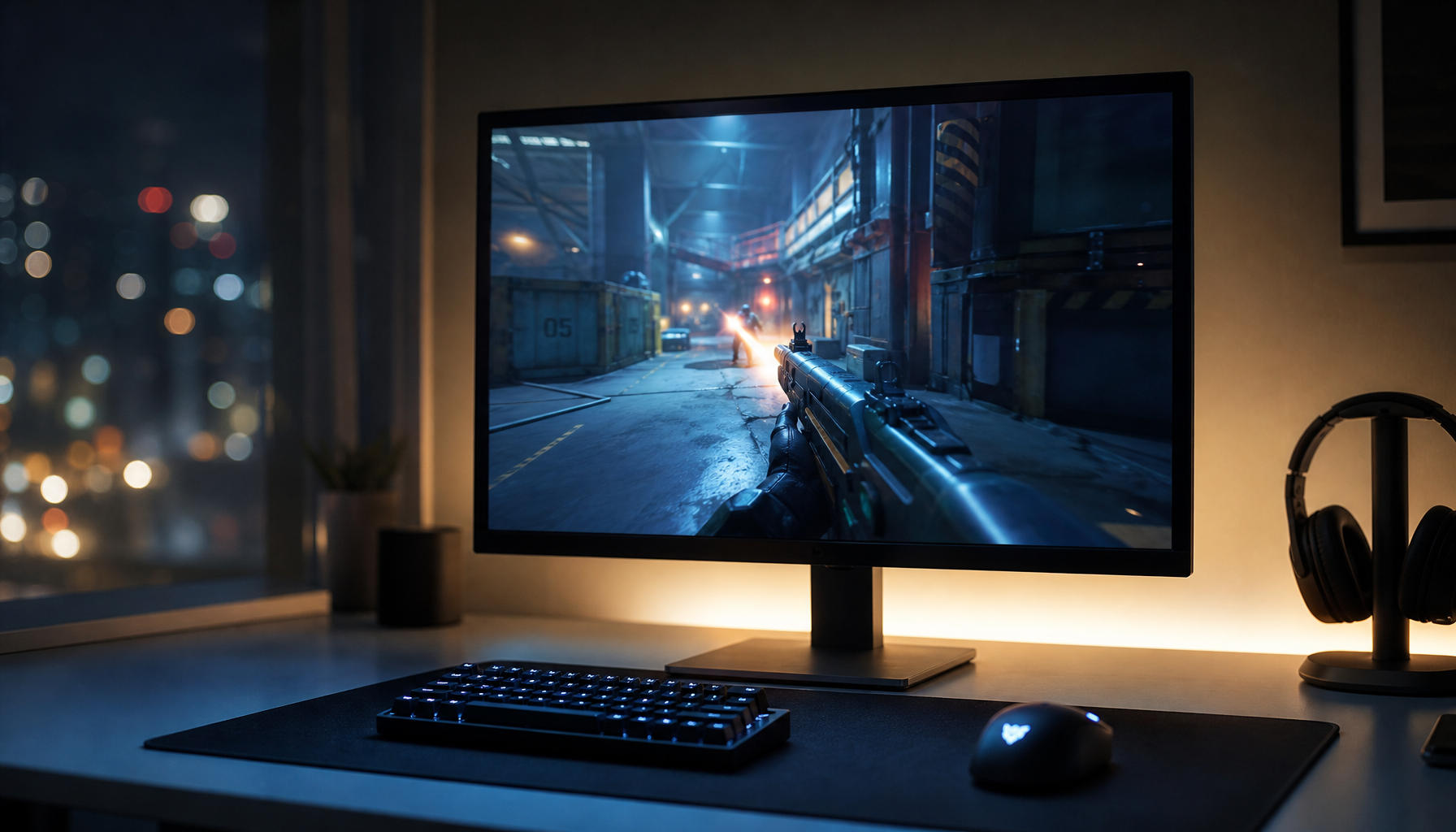
For bedroom or dedicated media spaces, a 32-inch smart monitor often delivers better value. These devices provide excellent 4K streaming performance, simpler remote control operation, and stronger licensing support for premium services. When the screen stays in one place, the always-on power design removes battery concerns entirely.
Consider your primary use case first. Frequent movement and touch-heavy tasks point toward giant tablets. Fixed positioning and high-resolution media consumption favor smart monitors.

The Smart Monitor collection includes options optimized for stationary entertainment, while Mobile Touch Screen devices emphasize battery and portability features.
Final Verdict: Mobility or Resolution?
If you need to move your large screen between rooms and want native access to productivity apps, choose a giant tablet with Google EDLA certification. These battery-powered devices deliver the flexibility that stationary smart monitors cannot match. Prioritize 25-inch models when true portability matters and 32-inch versions when maximum screen size within a home environment is the goal.
When the display will remain in one location, a smart monitor typically offers superior 4K value and simpler operation. You gain better streaming performance and eliminate battery management entirely. The stationary design also often comes at a lower price point for equivalent resolution.
Both categories continue to evolve rapidly. The best choice depends on whether your priority is mobility with touch interaction or resolution with always-available power. Test the weight and interface in person when possible, as real-world feel often reveals preferences that specifications alone cannot show.
Many households benefit from owning one of each device type to cover different scenarios. A giant tablet handles dynamic multi-room use while a smart monitor serves as the dedicated entertainment hub.
Frequently Asked Questions
Can a Giant Tablet Replace a TV?
A giant tablet can serve as a secondary TV in smaller spaces or for personal viewing, but it cannot fully replace a dedicated television for whole-family entertainment. Battery constraints limit long viewing sessions, and the Android interface may feel less optimized for couch-based remote control compared to purpose-built TV operating systems. Use it to supplement rather than replace your main TV.
How Long Does the Battery Last on a 32-Inch Giant Tablet?
Real-world battery life on 32-inch 4K models typically ranges from 3-5 hours at higher brightness levels, while FHD versions can reach 8-10 hours under mixed use. These figures fall short of some manufacturer maximum claims, which usually reflect ideal low-power conditions. Plan charging time into your routine or keep the device near outlets for extended sessions.
Is Android on a Giant Tablet Good for Productivity?
Android with EDLA certification supports many productivity apps through the full Play Store, making it suitable for video calls, note-taking, and light document work. However, the mobile-first multitasking approach differs from desktop operating systems. It works well as a large touch interface but may not replace a laptop for complex workflows or heavy keyboard use.
Which Size Is Best for Portability?
The 25-inch range offers the best balance of screen size and true portability, with weights that allow comfortable carrying between rooms or vehicles. 32-inch models on rolling stands work well for indoor mobility but become cumbersome for frequent transport or travel. Choose based on whether you need maximum screen area or easier movement.
Do Smart Monitors Support Touch Input Well?
Most smart monitors offer basic touch functionality, but the experience often feels secondary to their primary role as displays. TV-based operating systems are designed for remote control rather than frequent close-range touch interaction. Giant tablets with native Android provide significantly more responsive and optimized touch performance for interactive tasks.